Our States and Territories
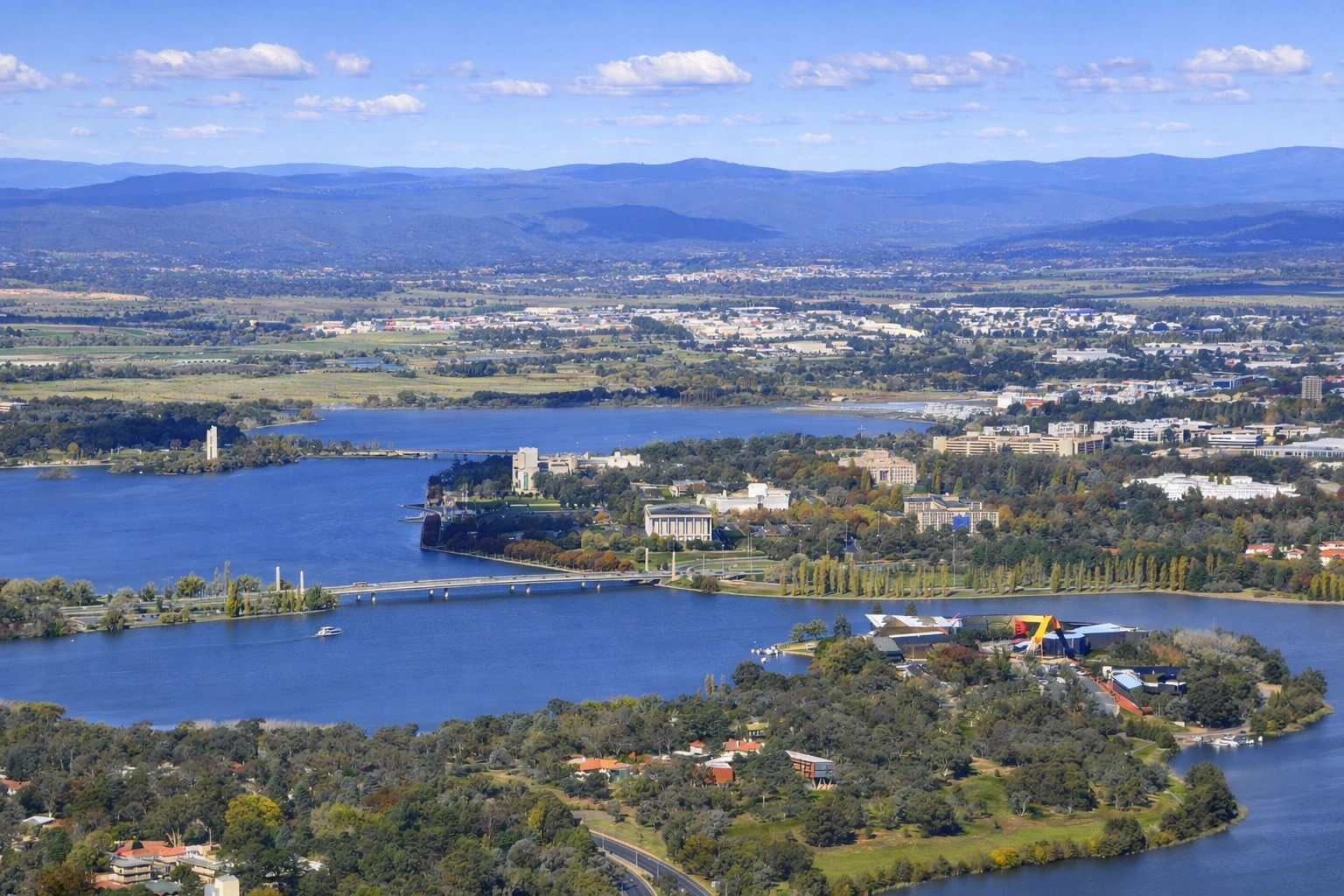
Australian Capital Territory (ACT)
Blending Nature and Urban Life in the Australian Capital Territory
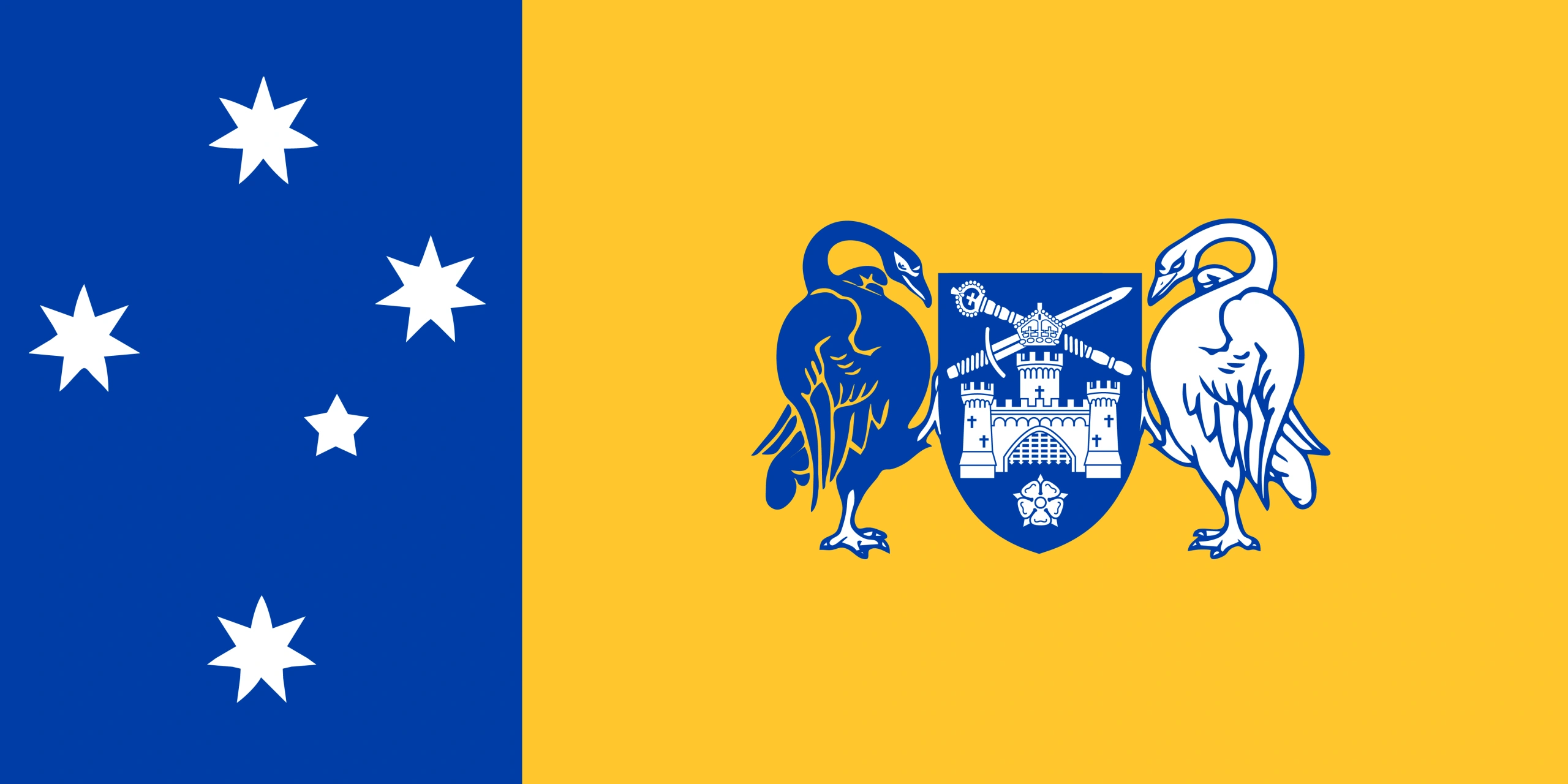
The Australian Capital Territory is the political and cultural heart of the nation and proudly home to Canberra, the capital city of Australia. Purpose-built and surrounded by natural bushland, the ACT blends grand national significance with a relaxed, liveable feel that often surprises first-time visitors.
Explore iconic landmarks including Parliament House, the National Museum, and world-class galleries that tell Australia’s story from ancient times to today. The city’s thoughtful design means wide avenues, striking architecture, and plenty of open space — all centred around the calm waters of Lake Burley Griffin, perfect for walking, cycling, or simply soaking in the views.
Step beyond the city and discover another side of the ACT, where vineyards, nature reserves, and the rugged Brindabella Ranges are just minutes away. Whether you’re chasing culture, outdoor adventure, or a laid-back weekend escape, the Australian Capital Territory delivers a rich and rewarding experience — a destination that proves Australia’s capital is far more than politics alone.
Canberra
is Australia’s purpose-built capital city, designed from the ground up rather than growing organically like Sydney or Melbourne. Chosen as a compromise between those two rival cities, it officially became the capital in 1913 and was planned by American architects Walter Burley Griffin and Marion Mahony Griffin. At its heart sits Parliament House, overlooking Lake Burley Griffin — a man-made lake that gives the city its wide-open, clean, almost symmetrical feel. It’s known for broad avenues, national institutions, and loads of green space.
But Canberra isn’t just politics and public servants (despite the stereotype). It’s packed with world-class cultural spots like the Australian War Memorial, National Gallery, and Questacon, plus nature is never far away. You’ve got bushland reserves, mountain lookouts like Mount Ainslie, and even snowfields a few hours’ drive away. The food and wine scene has seriously levelled up too — cool little bars in Braddon, wineries in the surrounding region, and proper seasonal produce thanks to the cooler climate. Quiet? Sometimes. Boring? Only if you don’t know where to look.
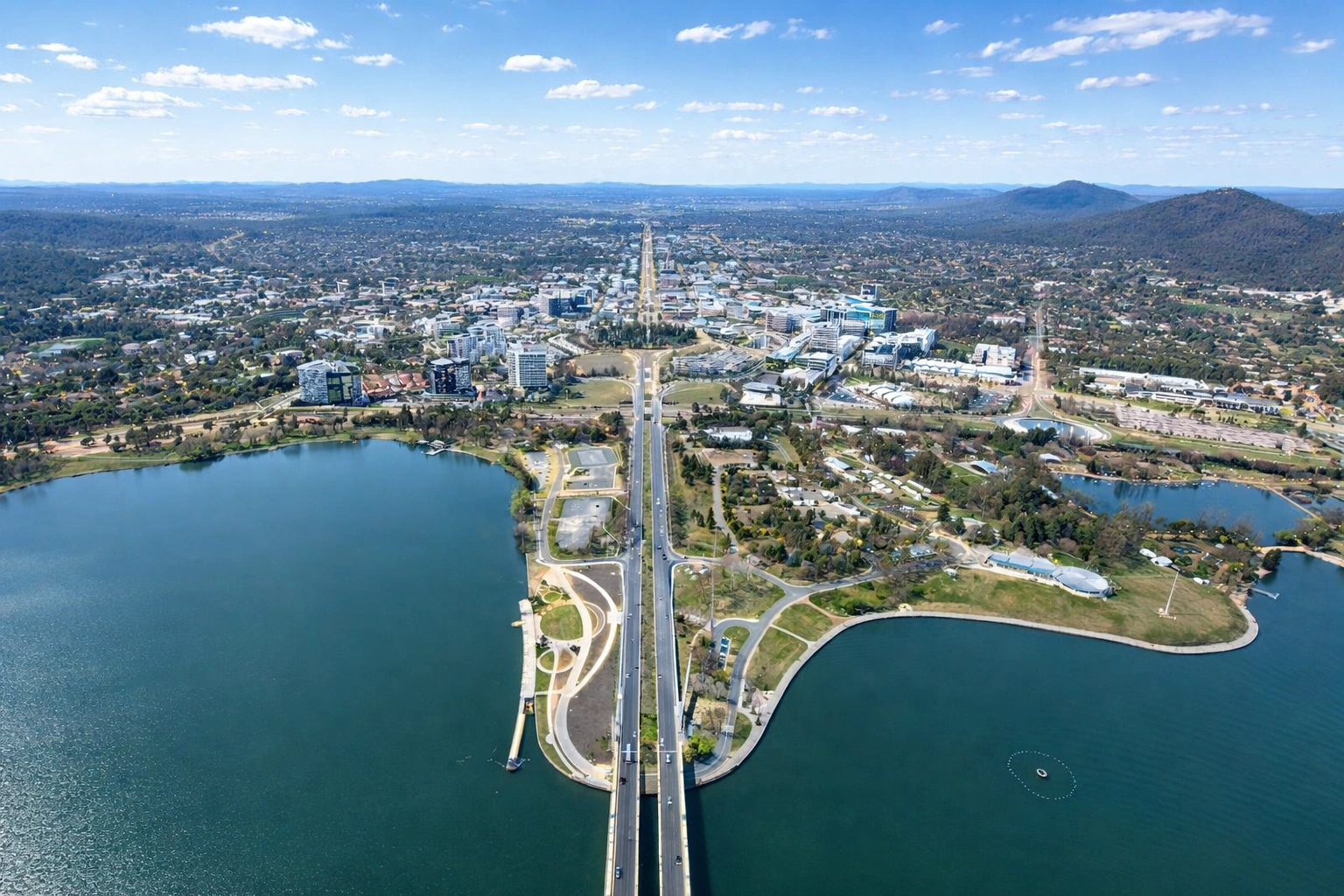
Lake Burley Griffin
Is the calm, scenic heart of Canberra and one of the city’s most loved outdoor spaces. Designed as part of the capital’s master plan, the lake brings water, landscape, and architecture together in a way that defines the look and feel of Australia’s capital.
Encircling the lake are some of Canberra’s most iconic sights, including Parliament House, the National Gallery, and the National Museum. Walking and cycling paths hug the shoreline, offering easy, flat routes with constantly changing views, while the water itself is perfect for kayaking, paddleboarding, rowing, or a relaxed cruise.
Whether you’re enjoying a picnic at sunset, riding across one of the elegant bridges, or taking in reflections of the city lights at dusk, Lake Burley Griffin delivers Canberra at its most beautiful. It’s a place to slow down, soak it in, and experience the capital from its most scenic vantage point — a must-see for any visit to the ACT.
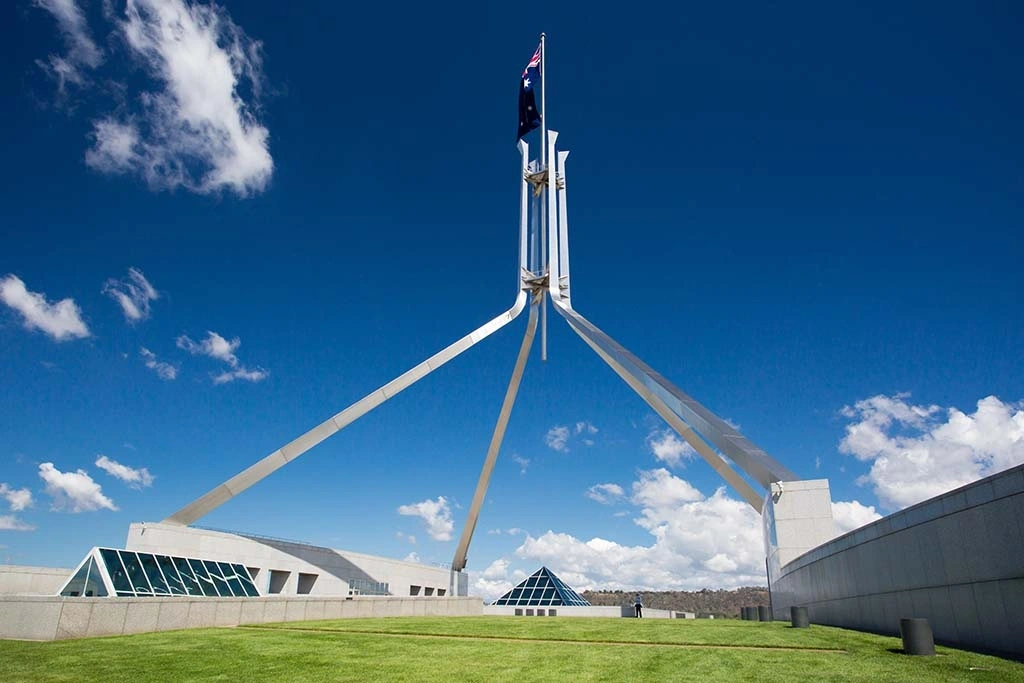
Parliament House
is one of Australia’s most iconic landmarks and a must-see in the nation’s capital. Opened in 1988, it was designed to sit within Capital Hill rather than dominate it — symbolising democracy belonging to the people. Visitors can literally walk on the grassed roof and look out across Canberra’s carefully planned Parliamentary Triangle.
Inside, Parliament House combines striking architecture with powerful storytelling. Explore the Great Hall, view historic artworks and tapestries, and watch Australian democracy in action from the public galleries when Parliament is sitting. Free guided tours offer behind-the-scenes insight into how the country is governed.
Set against sweeping views and surrounded by open space, Parliament House is more than a government building — it’s a place to understand Australia’s past, present, and future. Whether you’re into history, architecture, or simply great viewpoints, it’s a highlight of any visit to Canberra.
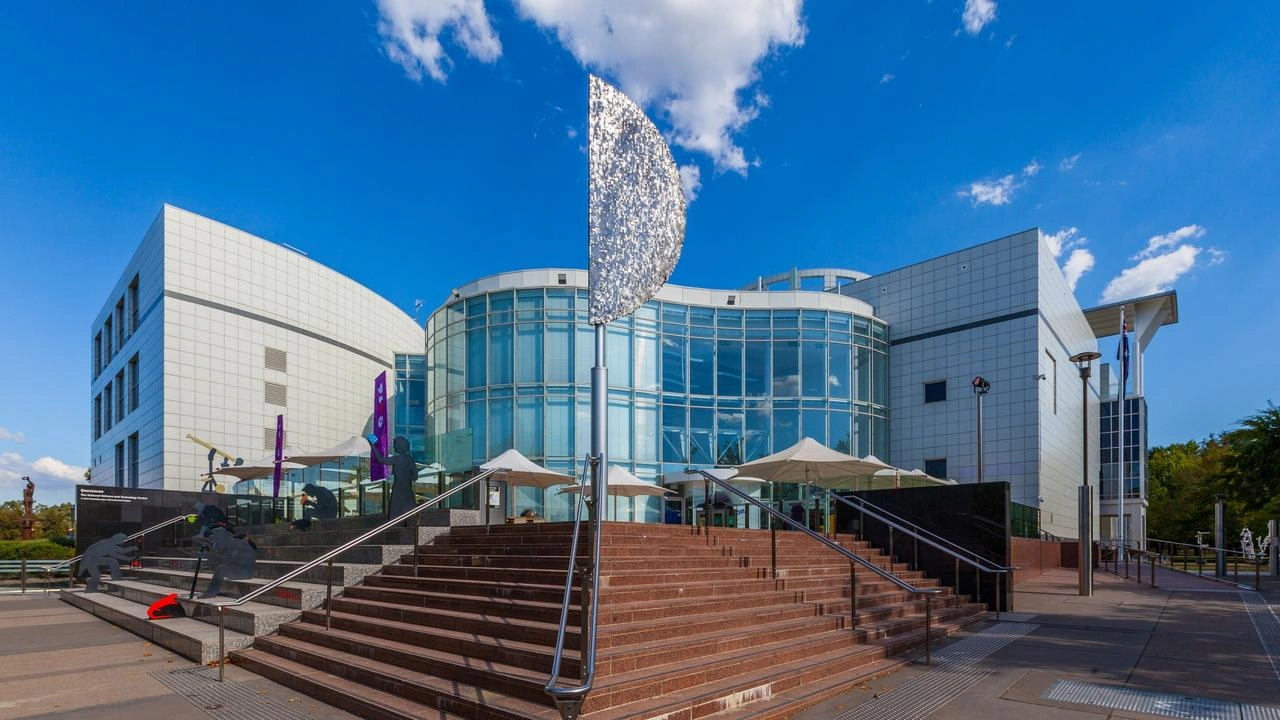
Questacon
is Australia’s National Science and Technology Centre, located in Canberra near Lake Burley Griffin. It’s a multi-level, hands-on science museum packed with interactive exhibits designed to make physics, space, robotics, engineering and earth sciences exciting and easy to understand. Instead of just reading signs, you press buttons, build things, test reactions, drop objects, and sometimes even scream your way down the famous free-fall slide.
It opened in 1988 as part of Australia’s Bicentennial celebrations and has since become one of the country’s most visited attractions, especially for school groups and families. Beyond the main building, Questacon also runs outreach programs that travel across Australia to bring science shows and workshops to regional communities. It’s basically a place where curiosity gets turned up to full volume — and you’re encouraged to touch everything.
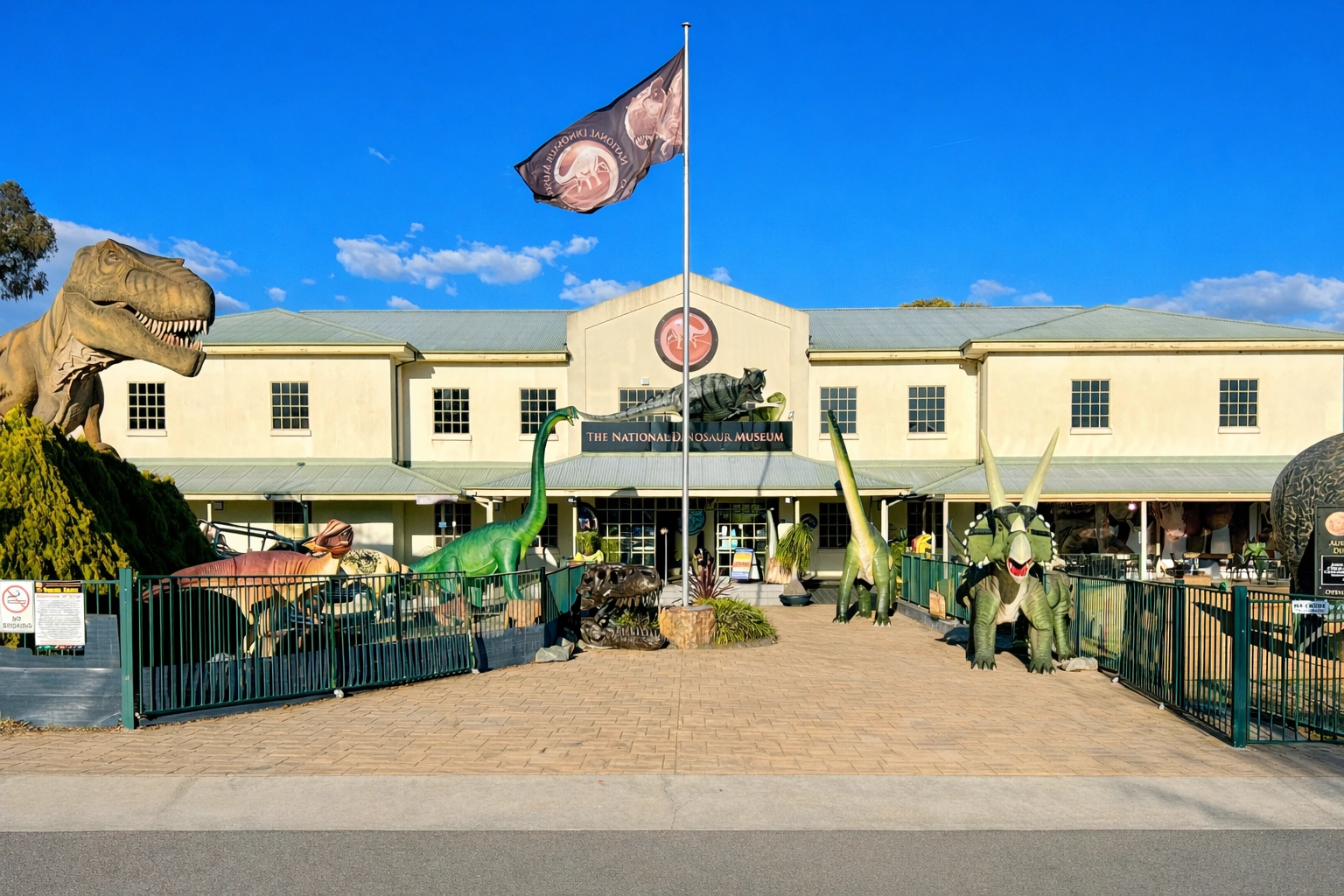
National Dinosaur Museum
is located at Gold Creek in Canberra and is one of Australia’s largest permanent exhibitions of prehistoric life. Opened in 1993, the museum takes visitors through hundreds of millions of years of Earth’s history with life-size dinosaur models, fossil displays, skeleton replicas, and interactive exhibits. It’s not just dinosaurs either — the collection explores ancient marine life, early mammals, and the evolution of life on Earth in a way that’s easy to follow and genuinely fun.
Outside, the Dinosaur Garden features towering models — including a massive T. rex — that make it a bit of a photo magnet (especially for kids who want to stand next to something with teeth bigger than their head). Inside, you’ll find guided tours, educational programs, and a well-stocked gift shop full of fossils, crystals and dino-themed treasures. It’s very much a family-friendly, hands-on kind of place where prehistoric creatures feel surprisingly alive.
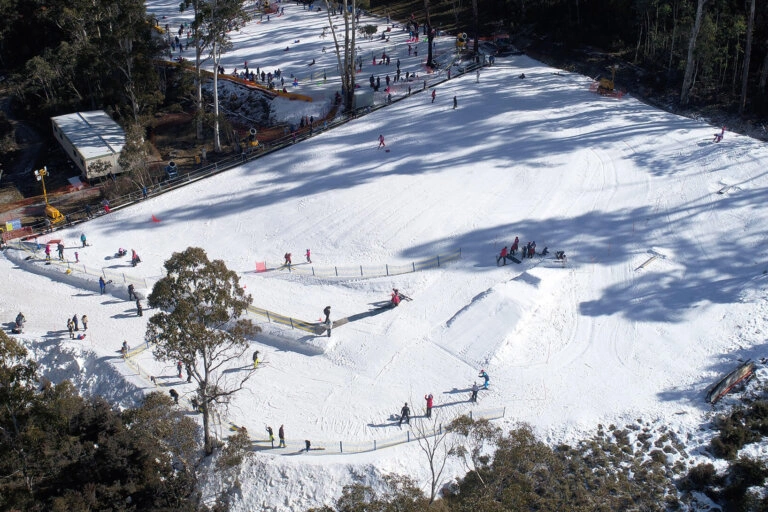
Corin Forest Alpine Resort
is a year-round outdoor adventure destination in the Brindabella Ranges near Canberra, Australia. In winter, it’s one of the closest snow play areas to the city, offering tobogganing, snow tubing and gentle slopes ideal for families and beginners. The resort has a chairlift and snow play areas, plus cosy facilities where you can warm up with a drink after a day in the snow.
Outside of the snow season, Corin Forest transforms into a hub for nature and adventure activities. There’s an alpine toboggan ride that runs through the bush, scenic walks, mountain biking trails and wildlife spotting. Whether you’re after fresh mountain air, outdoor thrills with kids, or a quiet hike with panoramic views over the ranges, it’s a popular choice for people looking to combine nature with fun just a short drive from Canberra
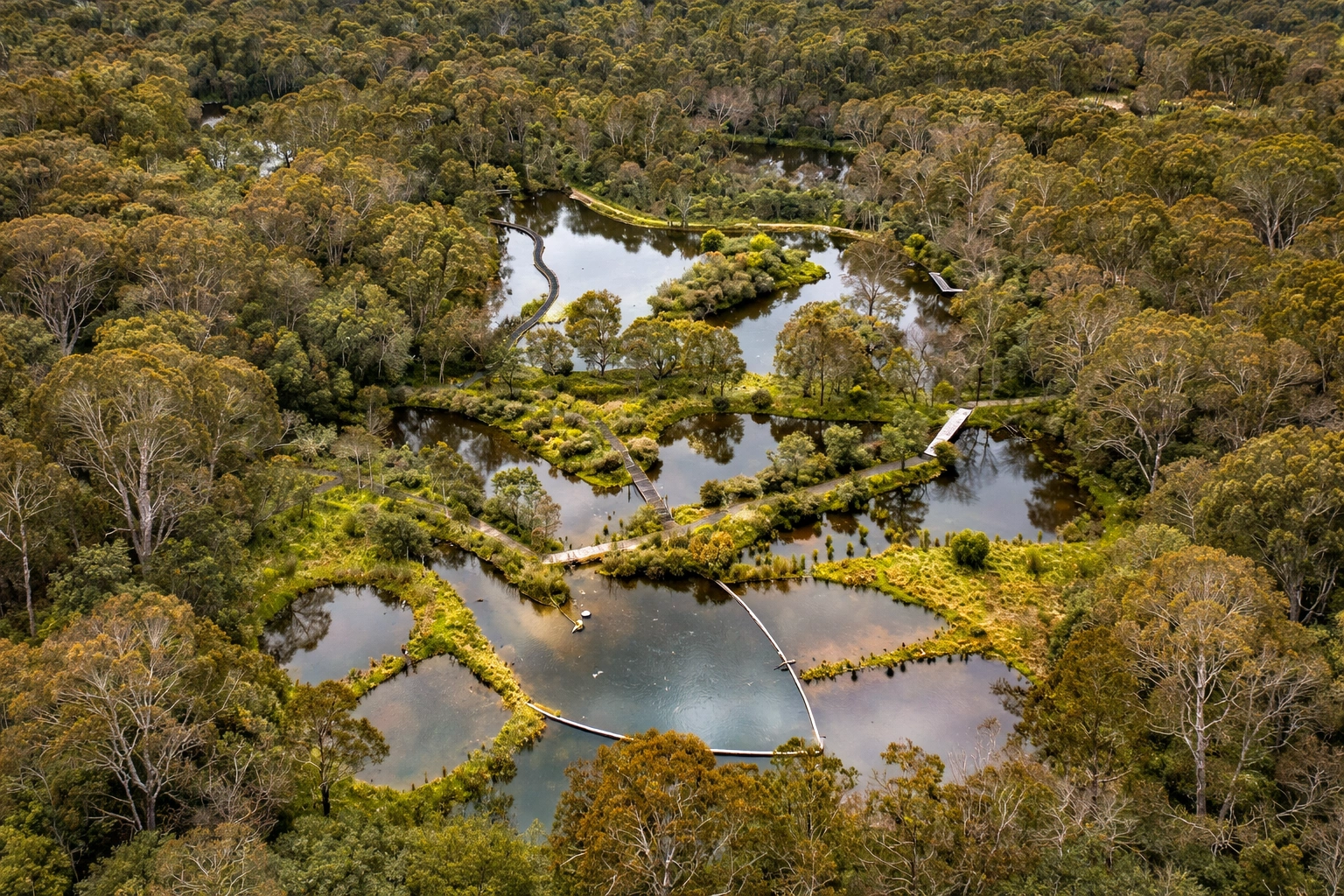
Tidbinbilla Nature Reserve
is a large protected nature area in the Australian Capital Territory, not far from Canberra. It’s known for its diverse native wildlife, scenic walking trails, peaceful forests, and cultural significance to the local Indigenous people. The reserve covers vast bushland, rocky escarpments, rolling grasslands and waterways, offering plenty of space for nature lovers to explore.
Visitors come to Tidbinbilla for up-close encounters with kangaroos, koalas, emus and other native animals in natural settings, plus picnic spots, birdwatching and extensive hiking tracks that range from short easy walks to longer mountain trails. It’s especially popular with families, photographers and anyone wanting a mix of wildlife, outdoor adventure and tranquillity within easy reach of the city.
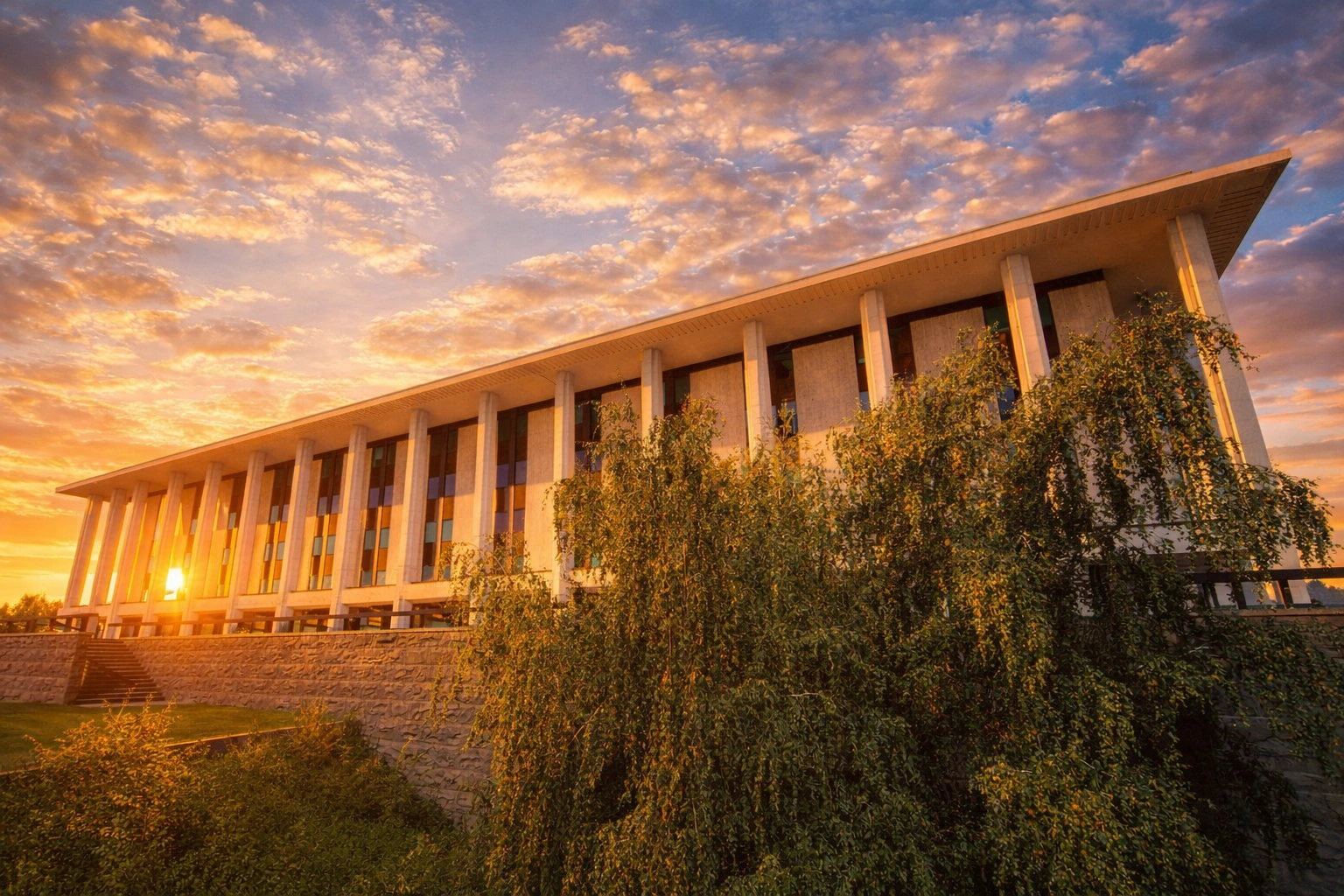
National Library of Australia
is Australia’s largest reference library and the nation’s premier repository for books, manuscripts, maps, photographs, music and historical records. Located in Canberra, it holds millions of items that document Australia’s history, culture and knowledge, from early colonial records to modern publications. The library is both a research centre for scholars and a public space where anyone can explore its collections.
In addition to reading rooms and archives, the National Library puts on exhibitions, talks and events that showcase treasures from its collections, such as rare books, iconic images and personal papers of notable Australians. It also provides digital access to resources for people around the country, making it a key institution for preserving and sharing Australian heritage and learning.
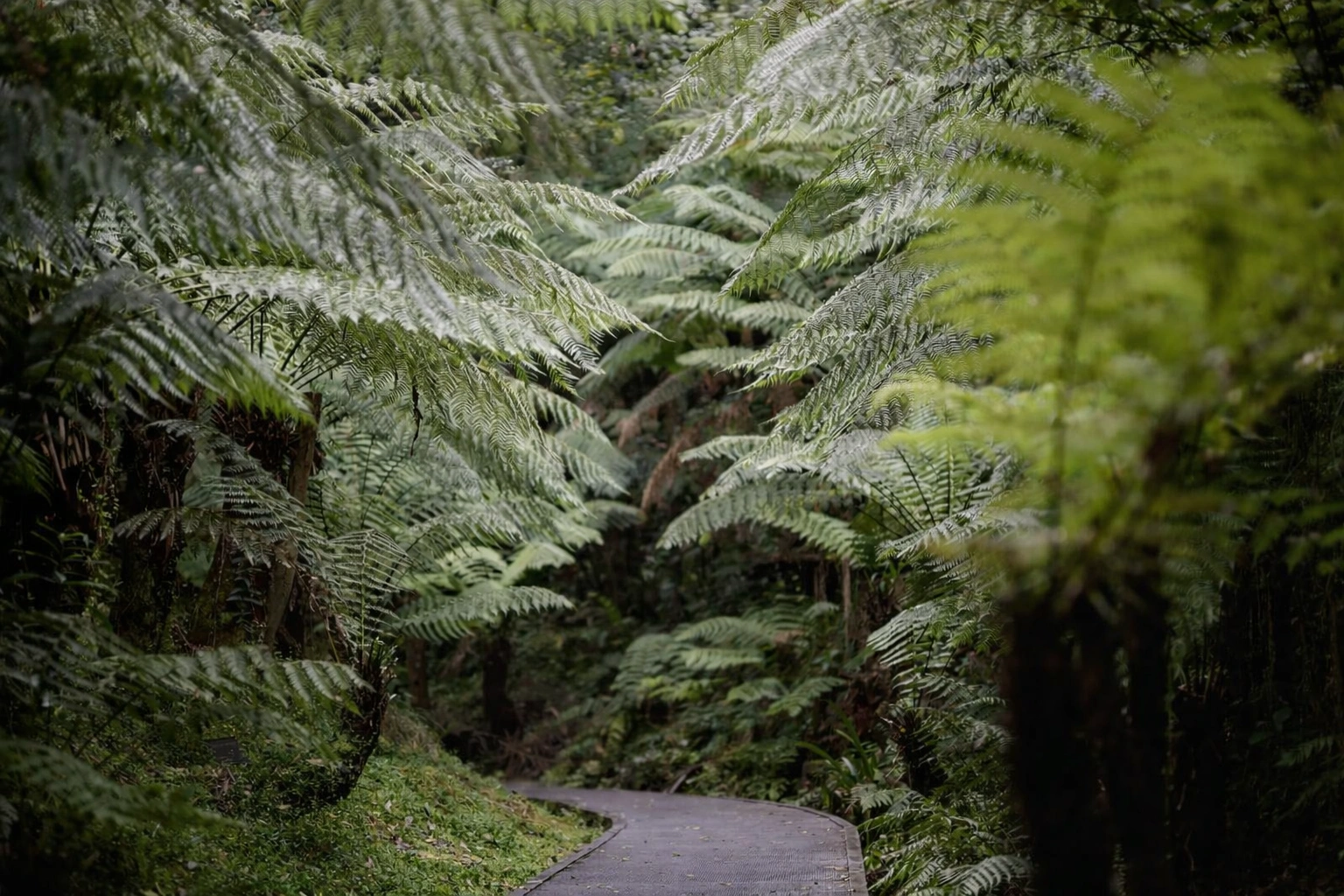
Australian National Botanic Gardens
is a beautiful botanical oasis in Canberra dedicated to the plants of Australia. Spread over large landscaped grounds at the foot of Black Mountain, the gardens showcase thousands of native species — from colourful wildflowers and heathlands to rainforest gullies and rare plants — all arranged in naturalistic settings that reflect Australia’s diverse landscapes. It’s a peaceful place for a stroll, photography, picnics and learning about native flora.
Throughout the year the gardens host seasonal events, guided walks, workshops and displays that highlight plants in flower, unique ecosystems and conservation efforts. There are boardwalks, themed trails and a large glasshouse where visitors can discover plants from different climates. Whether you’re a botany fan, nature lover or just after a relaxing outdoor experience, the Australian National Botanic Gardens offers a great way to connect with Australia’s plants and wildlife in the heart of the capital.
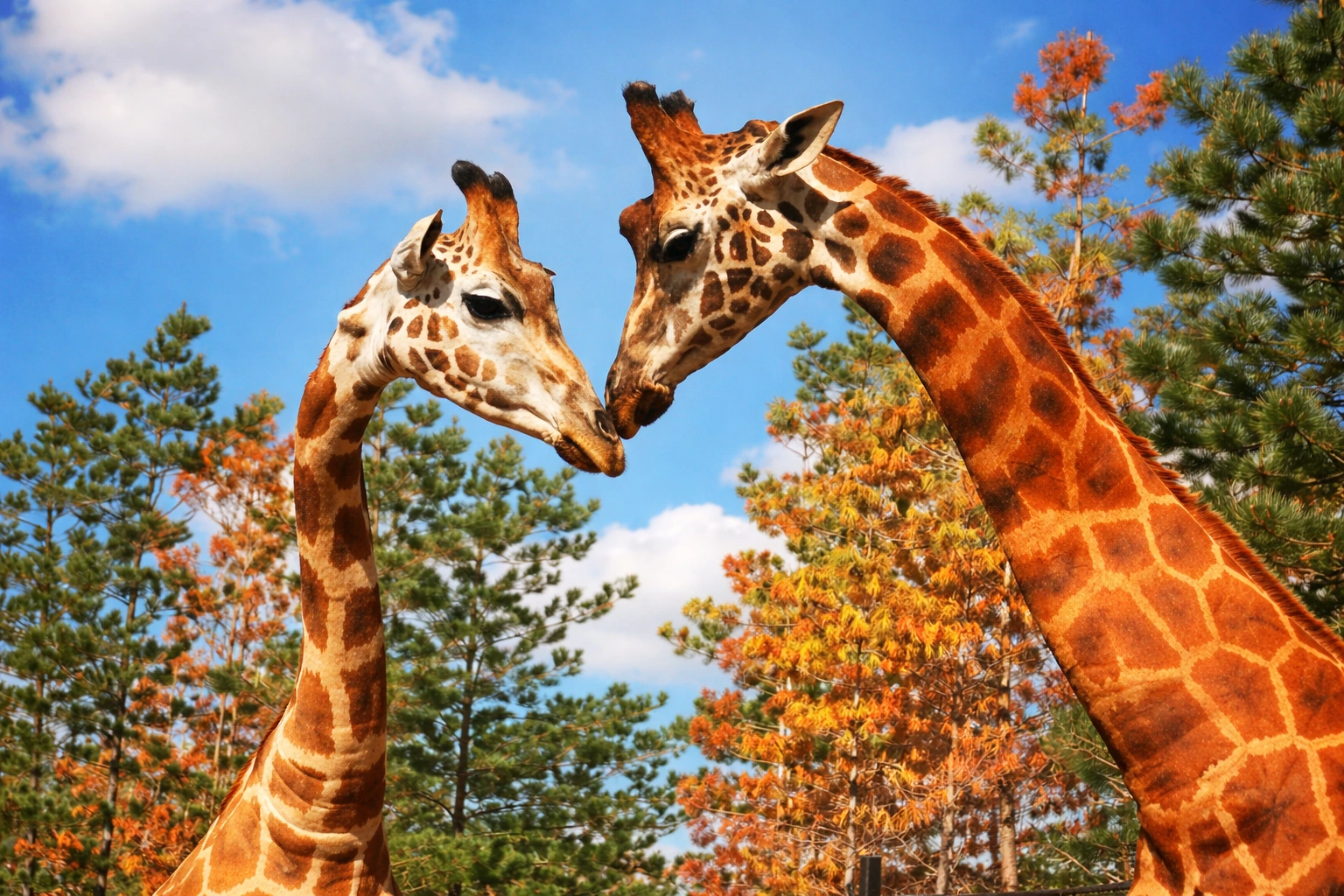
National Zoo & Aquarium
is a privately owned wildlife park located in Canberra near Lake Burley Griffin. It combines a traditional zoo with a large aquarium, giving visitors the chance to see both land and marine animals in one place. The zoo is home to native Australian species like kangaroos and wombats, as well as exotic animals including lions, tigers, giraffes and cheetahs. It’s known for spacious enclosures and a layout that makes for an easy, relaxed walk through the park.
One of its standout features is the range of close-encounter experiences, where visitors can join guided tours, feeding sessions and behind-the-scenes activities with keepers. It’s also home to Jamala Wildlife Lodge, where guests can stay overnight in luxury accommodation with views of animal habitats. Whether you’re visiting for the day or making it a wildlife staycation, it’s a popular family attraction with a strong focus on conservation and education.
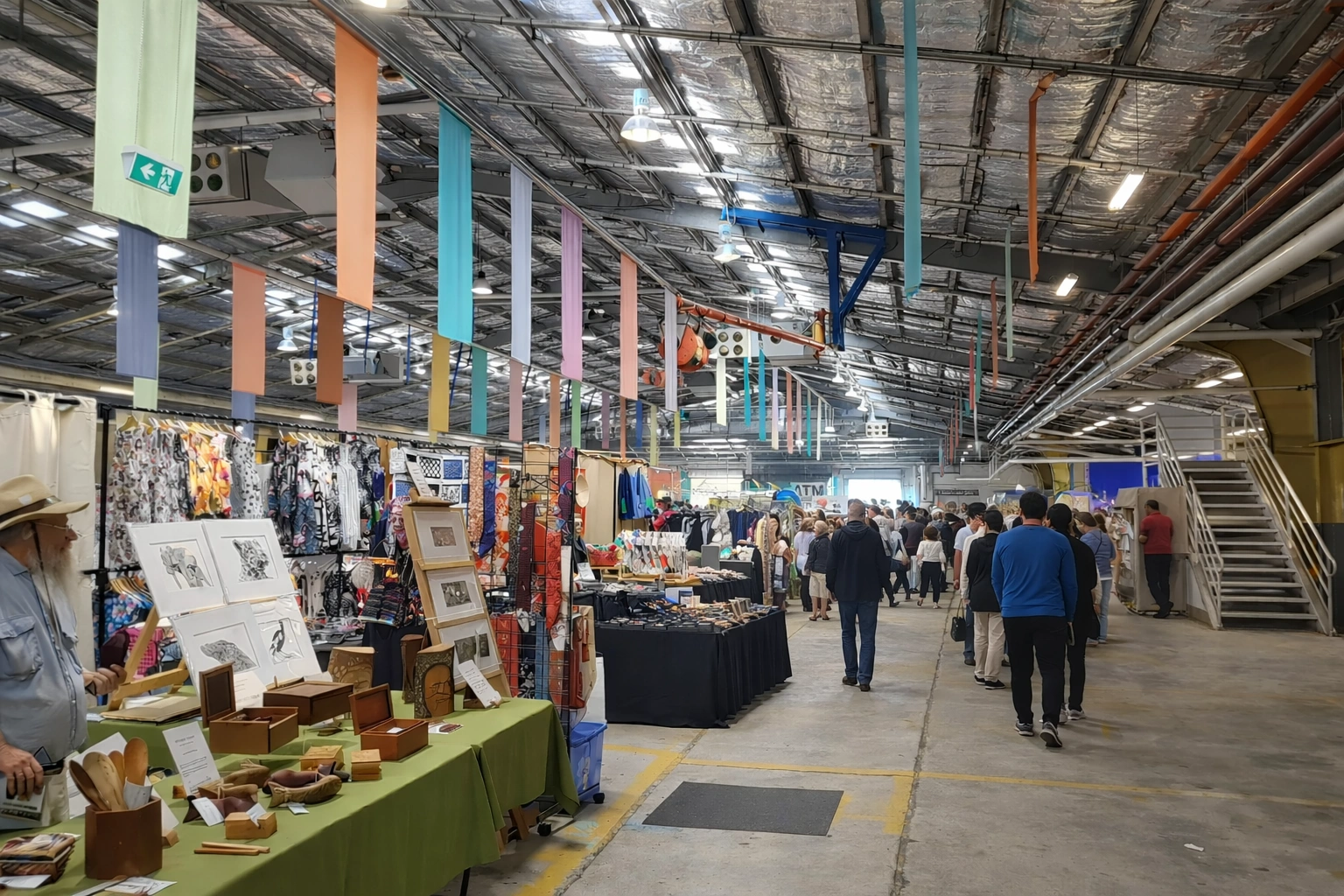
Old Bus Depot Markets
is a lively and long-running Sunday market held every week in a converted industrial building in the Kingston Foreshore area of Canberra, Australian Capital Territory. The market is known for its vibrant atmosphere and eclectic mix of stalls — with more than 200 makers, artisans and vendors selling hand-crafted goods, unique clothing, jewellery, homewares, art and curios. Each week it draws locals and visitors alike who enjoy wandering through the colourful displays and discovering one-of-a-kind items.
Food is a big part of the experience too, with a buzzing food hall offering a wide variety of tasty options from around the world — from baked treats and coffee to international dishes you can eat in or take away. Music, themed Sundays and special events add to the friendly, community feel that has made Old Bus Depot Markets a beloved Canberra tradition and a fun way to spend a Sunday morning or afternoon.
The Australian Capital Territory is the political and cultural heart of the nation and proudly home to Canberra, the capital city of Australia. Purpose-built and surrounded by natural bushland, the ACT blends grand national significance with a relaxed, liveable feel that often surprises first-time visitors.
Explore iconic landmarks including Parliament House, the National Museum, and world-class galleries that tell Australia’s story from ancient times to today. The city’s thoughtful design means wide avenues, striking architecture, and plenty of open space — all centred around the calm waters of Lake Burley Griffin, perfect for walking, cycling, or simply soaking in the views.
Step beyond the city and discover another side of the ACT, where vineyards, nature reserves, and the rugged Brindabella Ranges are just minutes away. Whether you’re chasing culture, outdoor adventure, or a laid-back weekend escape, the Australian Capital Territory delivers a rich and rewarding experience — a destination that proves Australia’s capital is far more than politics alone.
Canberra
is Australia’s purpose-built capital city, designed from the ground up rather than growing organically like Sydney or Melbourne. Chosen as a compromise between those two rival cities, it officially became the capital in 1913 and was planned by American architects Walter Burley Griffin and Marion Mahony Griffin. At its heart sits Parliament House, overlooking Lake Burley Griffin — a man-made lake that gives the city its wide-open, clean, almost symmetrical feel. It’s known for broad avenues, national institutions, and loads of green space.
But Canberra isn’t just politics and public servants (despite the stereotype). It’s packed with world-class cultural spots like the Australian War Memorial, National Gallery, and Questacon, plus nature is never far away. You’ve got bushland reserves, mountain lookouts like Mount Ainslie, and even snowfields a few hours’ drive away. The food and wine scene has seriously levelled up too — cool little bars in Braddon, wineries in the surrounding region, and proper seasonal produce thanks to the cooler climate. Quiet? Sometimes. Boring? Only if you don’t know where to look.
Lake Burley Griffin
Is the calm, scenic heart of Canberra and one of the city’s most loved outdoor spaces. Designed as part of the capital’s master plan, the lake brings water, landscape, and architecture together in a way that defines the look and feel of Australia’s capital.
Encircling the lake are some of Canberra’s most iconic sights, including Parliament House, the National Gallery, and the National Museum. Walking and cycling paths hug the shoreline, offering easy, flat routes with constantly changing views, while the water itself is perfect for kayaking, paddleboarding, rowing, or a relaxed cruise.
Whether you’re enjoying a picnic at sunset, riding across one of the elegant bridges, or taking in reflections of the city lights at dusk, Lake Burley Griffin delivers Canberra at its most beautiful. It’s a place to slow down, soak it in, and experience the capital from its most scenic vantage point — a must-see for any visit to the ACT.
Parliament House
is one of Australia’s most iconic landmarks and a must-see in the nation’s capital. Opened in 1988, it was designed to sit within Capital Hill rather than dominate it — symbolising democracy belonging to the people. Visitors can literally walk on the grassed roof and look out across Canberra’s carefully planned Parliamentary Triangle.
Inside, Parliament House combines striking architecture with powerful storytelling. Explore the Great Hall, view historic artworks and tapestries, and watch Australian democracy in action from the public galleries when Parliament is sitting. Free guided tours offer behind-the-scenes insight into how the country is governed.
Set against sweeping views and surrounded by open space, Parliament House is more than a government building — it’s a place to understand Australia’s past, present, and future. Whether you’re into history, architecture, or simply great viewpoints, it’s a highlight of any visit to Canberra.
Questacon
is Australia’s National Science and Technology Centre, located in Canberra near Lake Burley Griffin. It’s a multi-level, hands-on science museum packed with interactive exhibits designed to make physics, space, robotics, engineering and earth sciences exciting and easy to understand. Instead of just reading signs, you press buttons, build things, test reactions, drop objects, and sometimes even scream your way down the famous free-fall slide.
It opened in 1988 as part of Australia’s Bicentennial celebrations and has since become one of the country’s most visited attractions, especially for school groups and families. Beyond the main building, Questacon also runs outreach programs that travel across Australia to bring science shows and workshops to regional communities. It’s basically a place where curiosity gets turned up to full volume — and you’re encouraged to touch everything.
National Dinosaur Museum
is located at Gold Creek in Canberra and is one of Australia’s largest permanent exhibitions of prehistoric life. Opened in 1993, the museum takes visitors through hundreds of millions of years of Earth’s history with life-size dinosaur models, fossil displays, skeleton replicas, and interactive exhibits. It’s not just dinosaurs either — the collection explores ancient marine life, early mammals, and the evolution of life on Earth in a way that’s easy to follow and genuinely fun.
Outside, the Dinosaur Garden features towering models — including a massive T. rex — that make it a bit of a photo magnet (especially for kids who want to stand next to something with teeth bigger than their head). Inside, you’ll find guided tours, educational programs, and a well-stocked gift shop full of fossils, crystals and dino-themed treasures. It’s very much a family-friendly, hands-on kind of place where prehistoric creatures feel surprisingly alive.
Corin Forest Alpine Resort
is a year-round outdoor adventure destination in the Brindabella Ranges near Canberra, Australia. In winter, it’s one of the closest snow play areas to the city, offering tobogganing, snow tubing and gentle slopes ideal for families and beginners. The resort has a chairlift and snow play areas, plus cosy facilities where you can warm up with a drink after a day in the snow.
Outside of the snow season, Corin Forest transforms into a hub for nature and adventure activities. There’s an alpine toboggan ride that runs through the bush, scenic walks, mountain biking trails and wildlife spotting. Whether you’re after fresh mountain air, outdoor thrills with kids, or a quiet hike with panoramic views over the ranges, it’s a popular choice for people looking to combine nature with fun just a short drive from Canberra
Tidbinbilla Nature Reserve
is a large protected nature area in the Australian Capital Territory, not far from Canberra. It’s known for its diverse native wildlife, scenic walking trails, peaceful forests, and cultural significance to the local Indigenous people. The reserve covers vast bushland, rocky escarpments, rolling grasslands and waterways, offering plenty of space for nature lovers to explore.
Visitors come to Tidbinbilla for up-close encounters with kangaroos, koalas, emus and other native animals in natural settings, plus picnic spots, birdwatching and extensive hiking tracks that range from short easy walks to longer mountain trails. It’s especially popular with families, photographers and anyone wanting a mix of wildlife, outdoor adventure and tranquillity within easy reach of the city.
National Library of Australia
is Australia’s largest reference library and the nation’s premier repository for books, manuscripts, maps, photographs, music and historical records. Located in Canberra, it holds millions of items that document Australia’s history, culture and knowledge, from early colonial records to modern publications. The library is both a research centre for scholars and a public space where anyone can explore its collections.
In addition to reading rooms and archives, the National Library puts on exhibitions, talks and events that showcase treasures from its collections, such as rare books, iconic images and personal papers of notable Australians. It also provides digital access to resources for people around the country, making it a key institution for preserving and sharing Australian heritage and learning.
Australian National Botanic Gardens
is a beautiful botanical oasis in Canberra dedicated to the plants of Australia. Spread over large landscaped grounds at the foot of Black Mountain, the gardens showcase thousands of native species — from colourful wildflowers and heathlands to rainforest gullies and rare plants — all arranged in naturalistic settings that reflect Australia’s diverse landscapes. It’s a peaceful place for a stroll, photography, picnics and learning about native flora.
Throughout the year the gardens host seasonal events, guided walks, workshops and displays that highlight plants in flower, unique ecosystems and conservation efforts. There are boardwalks, themed trails and a large glasshouse where visitors can discover plants from different climates. Whether you’re a botany fan, nature lover or just after a relaxing outdoor experience, the Australian National Botanic Gardens offers a great way to connect with Australia’s plants and wildlife in the heart of the capital.
National Zoo & Aquarium
is a privately owned wildlife park located in Canberra near Lake Burley Griffin. It combines a traditional zoo with a large aquarium, giving visitors the chance to see both land and marine animals in one place. The zoo is home to native Australian species like kangaroos and wombats, as well as exotic animals including lions, tigers, giraffes and cheetahs. It’s known for spacious enclosures and a layout that makes for an easy, relaxed walk through the park.
One of its standout features is the range of close-encounter experiences, where visitors can join guided tours, feeding sessions and behind-the-scenes activities with keepers. It’s also home to Jamala Wildlife Lodge, where guests can stay overnight in luxury accommodation with views of animal habitats. Whether you’re visiting for the day or making it a wildlife staycation, it’s a popular family attraction with a strong focus on conservation and education.
Old Bus Depot Markets
is a lively and long-running Sunday market held every week in a converted industrial building in the Kingston Foreshore area of Canberra, Australian Capital Territory. The market is known for its vibrant atmosphere and eclectic mix of stalls — with more than 200 makers, artisans and vendors selling hand-crafted goods, unique clothing, jewellery, homewares, art and curios. Each week it draws locals and visitors alike who enjoy wandering through the colourful displays and discovering one-of-a-kind items.
Food is a big part of the experience too, with a buzzing food hall offering a wide variety of tasty options from around the world — from baked treats and coffee to international dishes you can eat in or take away. Music, themed Sundays and special events add to the friendly, community feel that has made Old Bus Depot Markets a beloved Canberra tradition and a fun way to spend a Sunday morning or afternoon.
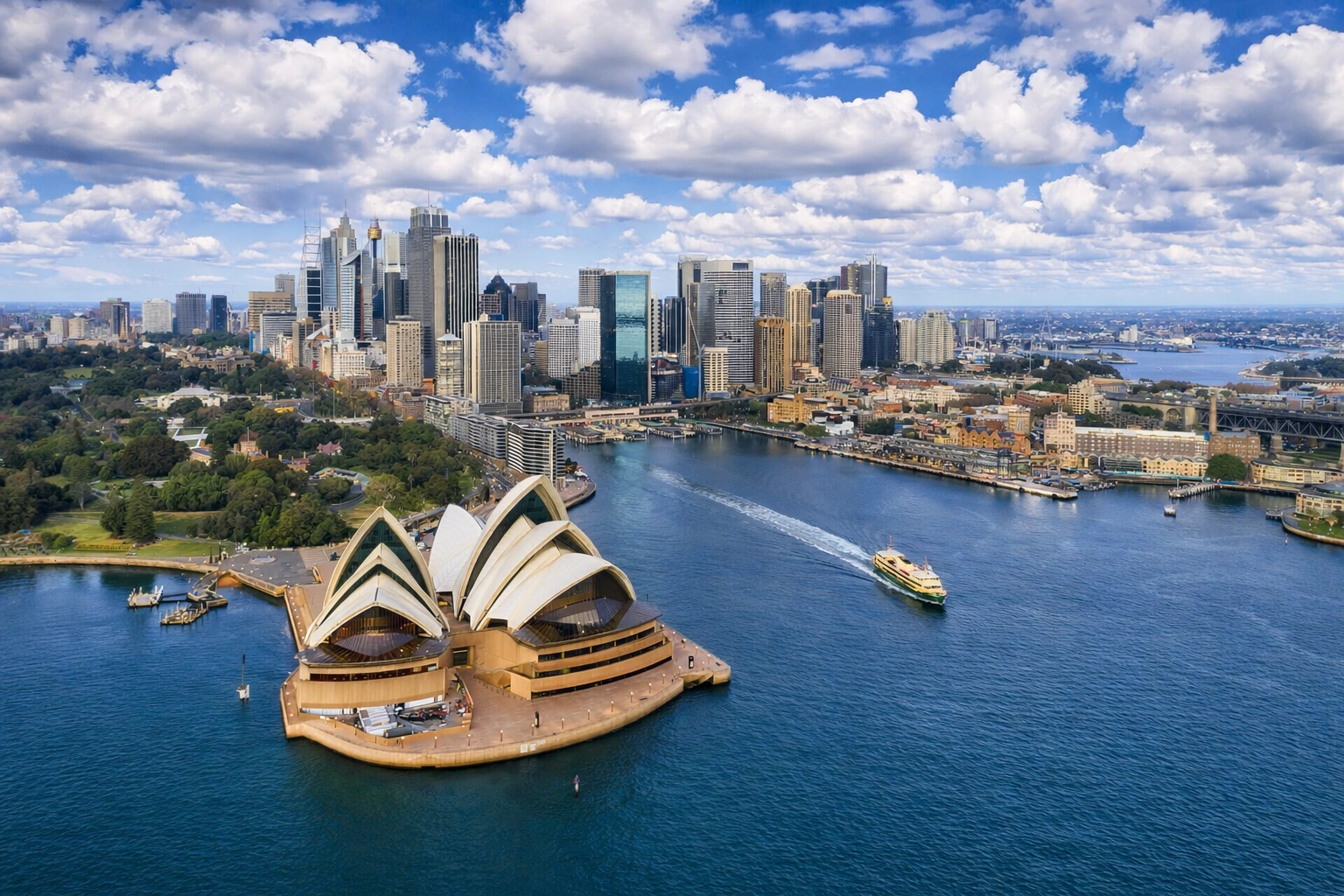
New South Wales (NSW)
New South Wales: Your Ultimate Travel Destination
New South Wales is one of Australia’s most diverse and dynamic destinations, offering everything from iconic cities to rugged wilderness. Home to Sydney — Australia’s largest city — NSW delivers world-famous landmarks alongside relaxed coastal towns, country charm, and vast open landscapes.
Along the coast, golden beaches, surf breaks, and seaside villages stretch for hundreds of kilometres, while inland regions reveal rolling farmland, historic towns, and celebrated food and wine areas like the Hunter Valley. The Blue Mountains add dramatic scenery with deep valleys, waterfalls, and endless walking trails just hours from the city.
From buzzing urban life to quiet outback horizons, New South Wales is a state made for exploration. Whether you’re chasing culture, adventure, nature, or a classic road trip, NSW offers an ever-changing journey — and countless reasons to keep coming back.
Sydney
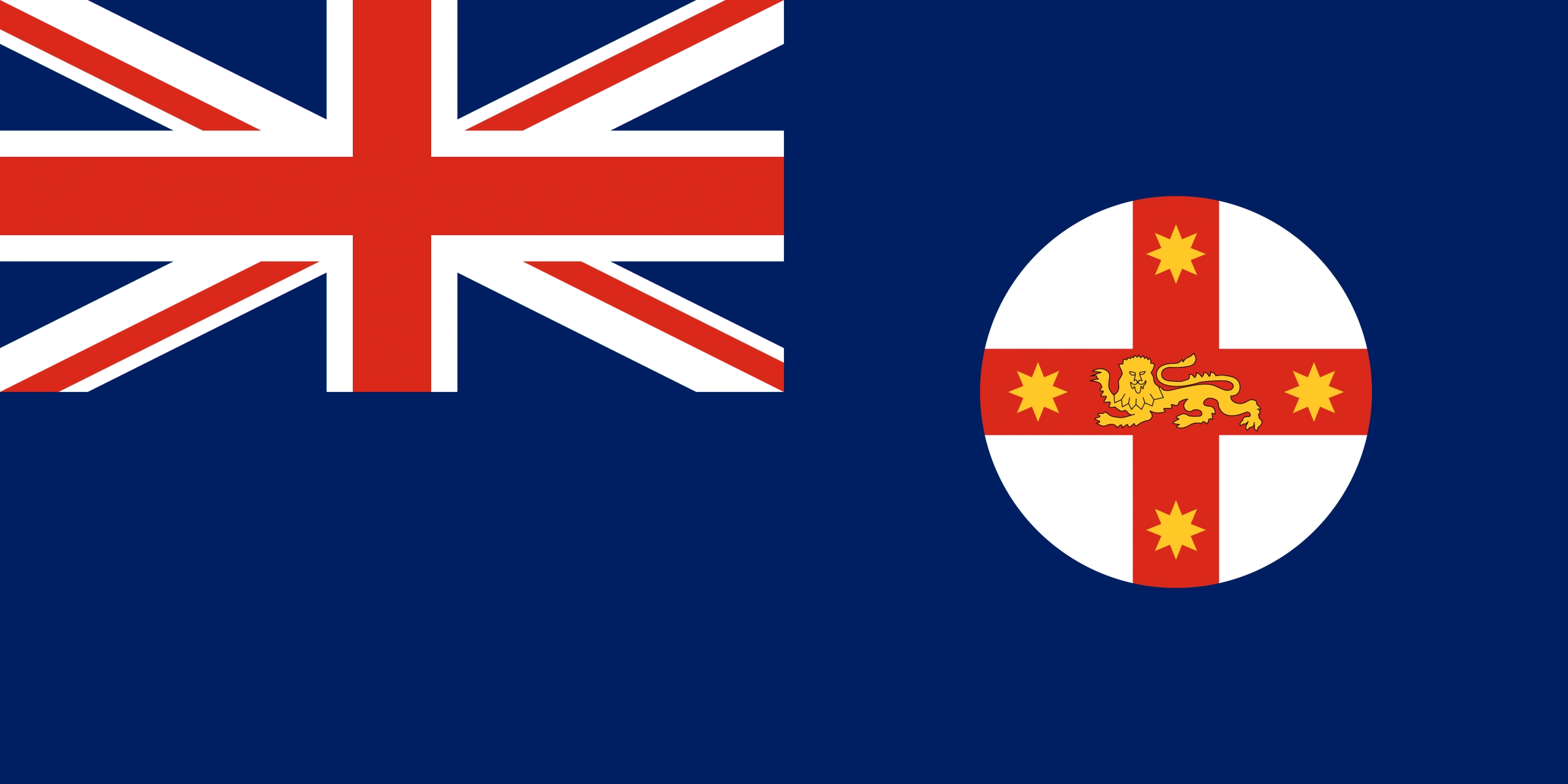
is Australia’s most iconic city — vibrant, energetic, and built around one of the world’s most beautiful natural harbours. As the capital of New South Wales, Sydney blends global-city buzz with laid-back coastal living, where beaches, bushland, and bold architecture sit side by side.
The city’s landmarks are instantly recognisable: the Sydney Opera House, Harbour Bridge, and Circular Quay form a stunning waterfront trio, while famous beaches like Bondi and Manly deliver sun, surf, and classic Aussie culture. Neighbourhoods buzz with world-class dining, rooftop bars, markets, and a creative arts scene that keeps the city moving day and night.
Beyond the postcard views, Sydney rewards exploration — coastal walks, harbour ferries, historic precincts, and hidden swimming spots all add depth to the experience. It’s a city of contrasts and colour, where nature and urban life collide in the best possible way — and a must-visit destination for any Australian adventure.
Lord Howe Island
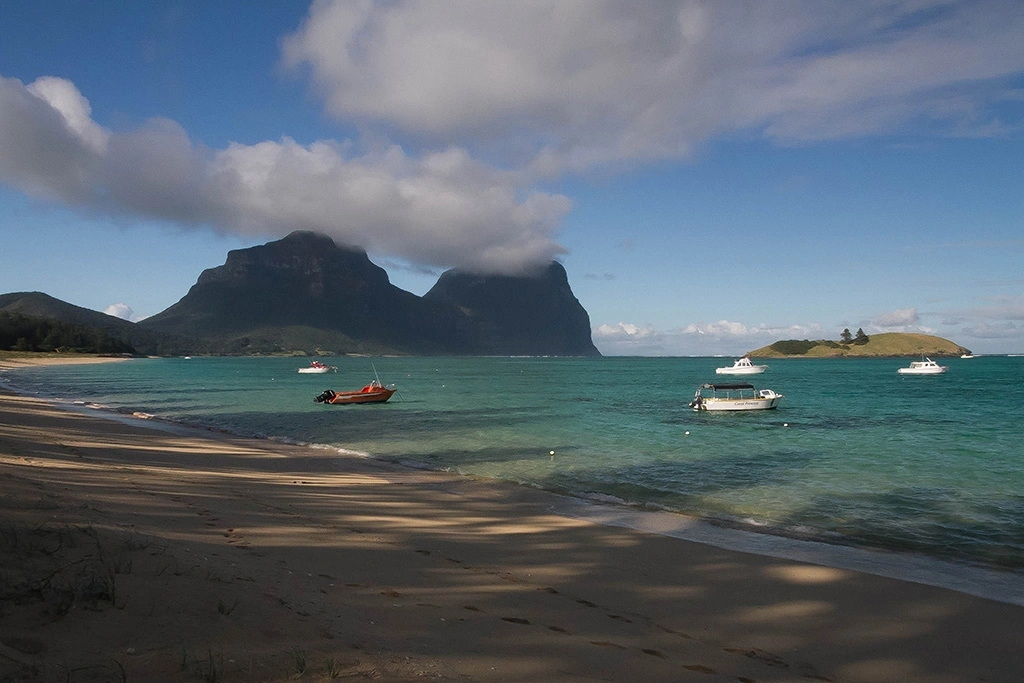
is one of Australia’s most breathtaking island escapes — a UNESCO World Heritage–listed paradise set in the Tasman Sea. With visitor numbers capped to protect its fragile beauty, the island offers a rare sense of peace, where lush green mountains meet crystal-clear lagoons and coral reefs.
Nature is the star here. Hike to the summit of Mount Gower for jaw-dropping views, snorkel vibrant reefs straight from the beach, or cycle quiet roads framed by palm trees and dramatic cliffs. With no crowds, no high-rises, and no rush, every experience feels personal and unspoilt.
Wild, pristine, and deeply relaxing, Lord Howe Island is a destination for travellers seeking something truly special. It’s not just a holiday — it’s a chance to slow down, reconnect with nature, and discover one of Australia’s most extraordinary hidden gems.
Cape Byron Lighthouse
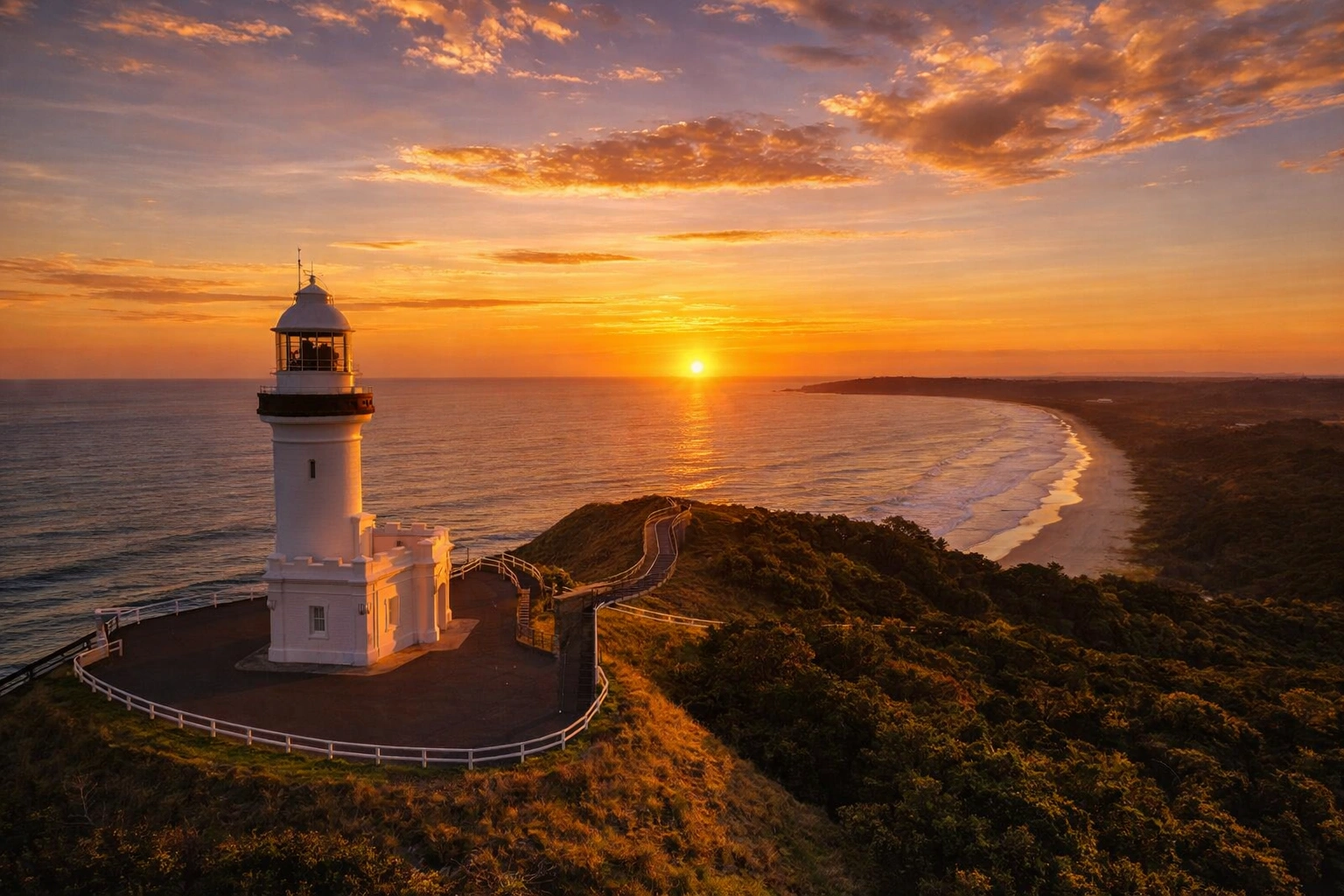
sits on Australia’s easternmost point, perched high above the Pacific with sweeping views that feel endless. It’s one of Byron Bay’s most iconic landmarks — famous for golden sunrises, migrating whales offshore, and dramatic coastal scenery in every direction.
The walk to the lighthouse is part of the experience. Follow the Cape Byron Walking Track as it winds past beaches, cliffs, and rainforest pockets, with lookout after lookout along the way. At the top, the historic white lighthouse stands proud against the sky, offering panoramic views over Byron Bay and the surrounding coastline.
Relaxed, scenic, and unforgettable, the Byron Bay Lighthouse is more than a photo stop — it’s a moment. Whether you’re chasing sunrise, coastal adventure, or that classic Byron Bay feeling, this headland delivers one of the most rewarding viewpoints in Australia.
New South Wales is one of Australia’s most diverse and dynamic destinations, offering everything from iconic cities to rugged wilderness. Home to Sydney — Australia’s largest city — NSW delivers world-famous landmarks alongside relaxed coastal towns, country charm, and vast open landscapes.
Along the coast, golden beaches, surf breaks, and seaside villages stretch for hundreds of kilometres, while inland regions reveal rolling farmland, historic towns, and celebrated food and wine areas like the Hunter Valley. The Blue Mountains add dramatic scenery with deep valleys, waterfalls, and endless walking trails just hours from the city.
From buzzing urban life to quiet outback horizons, New South Wales is a state made for exploration. Whether you’re chasing culture, adventure, nature, or a classic road trip, NSW offers an ever-changing journey — and countless reasons to keep coming back.
Sydney
is Australia’s most iconic city — vibrant, energetic, and built around one of the world’s most beautiful natural harbours. As the capital of New South Wales, Sydney blends global-city buzz with laid-back coastal living, where beaches, bushland, and bold architecture sit side by side.
The city’s landmarks are instantly recognisable: the Sydney Opera House, Harbour Bridge, and Circular Quay form a stunning waterfront trio, while famous beaches like Bondi and Manly deliver sun, surf, and classic Aussie culture. Neighbourhoods buzz with world-class dining, rooftop bars, markets, and a creative arts scene that keeps the city moving day and night.
Beyond the postcard views, Sydney rewards exploration — coastal walks, harbour ferries, historic precincts, and hidden swimming spots all add depth to the experience. It’s a city of contrasts and colour, where nature and urban life collide in the best possible way — and a must-visit destination for any Australian adventure.
Lord Howe Island
is one of Australia’s most breathtaking island escapes — a UNESCO World Heritage–listed paradise set in the Tasman Sea. With visitor numbers capped to protect its fragile beauty, the island offers a rare sense of peace, where lush green mountains meet crystal-clear lagoons and coral reefs.
Nature is the star here. Hike to the summit of Mount Gower for jaw-dropping views, snorkel vibrant reefs straight from the beach, or cycle quiet roads framed by palm trees and dramatic cliffs. With no crowds, no high-rises, and no rush, every experience feels personal and unspoilt.
Wild, pristine, and deeply relaxing, Lord Howe Island is a destination for travellers seeking something truly special. It’s not just a holiday — it’s a chance to slow down, reconnect with nature, and discover one of Australia’s most extraordinary hidden gems.
Cape Byron Lighthouse
sits on Australia’s easternmost point, perched high above the Pacific with sweeping views that feel endless. It’s one of Byron Bay’s most iconic landmarks — famous for golden sunrises, migrating whales offshore, and dramatic coastal scenery in every direction.
The walk to the lighthouse is part of the experience. Follow the Cape Byron Walking Track as it winds past beaches, cliffs, and rainforest pockets, with lookout after lookout along the way. At the top, the historic white lighthouse stands proud against the sky, offering panoramic views over Byron Bay and the surrounding coastline.
Relaxed, scenic, and unforgettable, the Byron Bay Lighthouse is more than a photo stop — it’s a moment. Whether you’re chasing sunrise, coastal adventure, or that classic Byron Bay feeling, this headland delivers one of the most rewarding viewpoints in Australia.
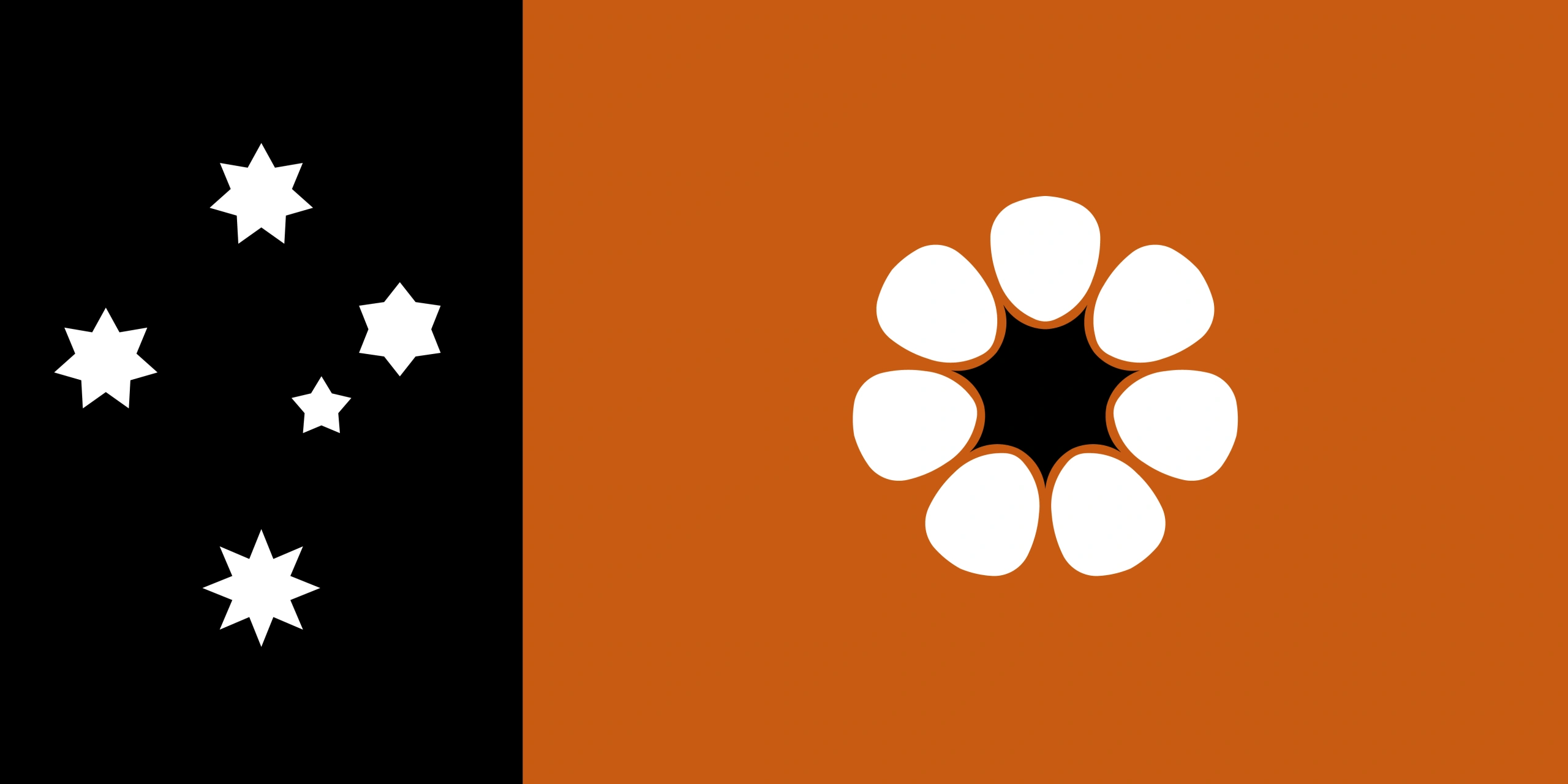
Northern Territory (NT)
Remote Adventures in the Northern Territory: A Travelers Dream
Northern Territory is Australia at its most raw, powerful, and unforgettable. Vast landscapes, ancient cultures, and dramatic natural wonders define this iconic part of the country, where the outback stretches endlessly and nature still sets the pace.
From the spiritual heart of Uluru and the towering cliffs of Kings Canyon to the wetlands and wildlife of Kakadu National Park, the Territory delivers world-class experiences unlike anywhere else. In the tropical Top End, waterfalls thunder in the wet season, while clear swimming holes and warm nights define the dry. Darwin adds a relaxed, multicultural vibe with sunsets that stop you in your tracks.
Bold, untamed, and deeply moving, the Northern Territory isn’t just a destination — it’s an experience that stays with you. For travellers chasing adventure, culture, and landscapes that feel truly ancient, the Territory offers Australia at its most authentic and awe-inspiring.
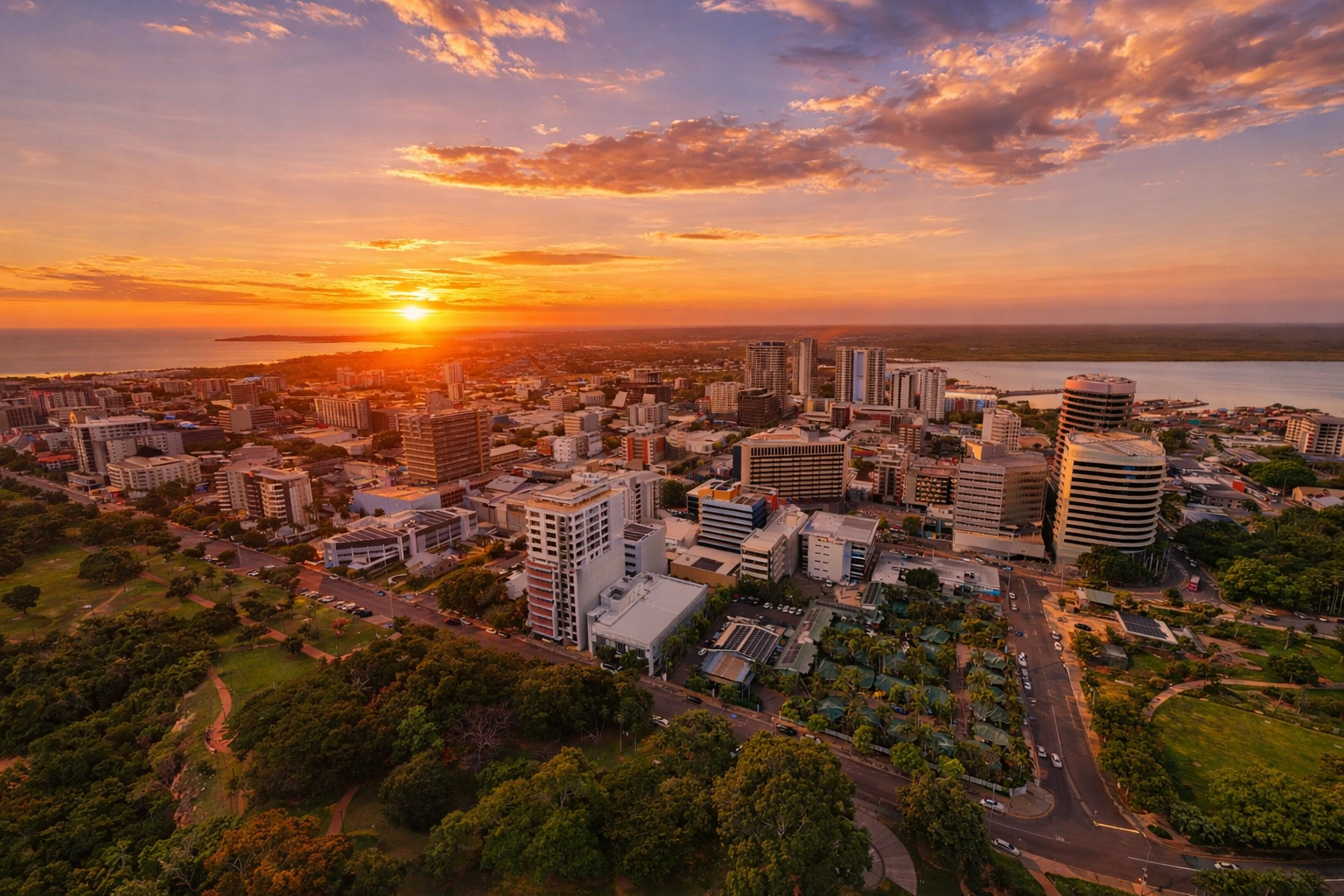
Darwin
is Australia’s tropical capital — relaxed, resilient, and rich in culture. Sitting on the edge of the Timor Sea, Darwin blends laid-back coastal living with a fascinating history shaped by World War II, cyclones, and a strong connection to Asia and the Top End.
The city is famous for its unforgettable sunsets, especially at Mindil Beach, where fiery skies meet food stalls, markets, and live music. Waterfront precincts, harbourside walks, and open-air dining make the most of the warm climate, while museums and galleries tell powerful stories of the region’s past and its First Nations heritage.
Gateway to some of Australia’s greatest natural wonders, Darwin is the perfect base for exploring Kakadu, Litchfield, and Nitmiluk National Parks. Easygoing yet adventurous, Darwin offers a unique slice of Australia — where tropical vibes, big landscapes, and genuine local character come together.
Northern Territory is Australia at its most raw, powerful, and unforgettable. Vast landscapes, ancient cultures, and dramatic natural wonders define this iconic part of the country, where the outback stretches endlessly and nature still sets the pace.
From the spiritual heart of Uluru and the towering cliffs of Kings Canyon to the wetlands and wildlife of Kakadu National Park, the Territory delivers world-class experiences unlike anywhere else. In the tropical Top End, waterfalls thunder in the wet season, while clear swimming holes and warm nights define the dry. Darwin adds a relaxed, multicultural vibe with sunsets that stop you in your tracks.
Bold, untamed, and deeply moving, the Northern Territory isn’t just a destination — it’s an experience that stays with you. For travellers chasing adventure, culture, and landscapes that feel truly ancient, the Territory offers Australia at its most authentic and awe-inspiring.
Darwin
is Australia’s tropical capital — relaxed, resilient, and rich in culture. Sitting on the edge of the Timor Sea, Darwin blends laid-back coastal living with a fascinating history shaped by World War II, cyclones, and a strong connection to Asia and the Top End.
The city is famous for its unforgettable sunsets, especially at Mindil Beach, where fiery skies meet food stalls, markets, and live music. Waterfront precincts, harbourside walks, and open-air dining make the most of the warm climate, while museums and galleries tell powerful stories of the region’s past and its First Nations heritage.
Gateway to some of Australia’s greatest natural wonders, Darwin is the perfect base for exploring Kakadu, Litchfield, and Nitmiluk National Parks. Easygoing yet adventurous, Darwin offers a unique slice of Australia — where tropical vibes, big landscapes, and genuine local character come together.
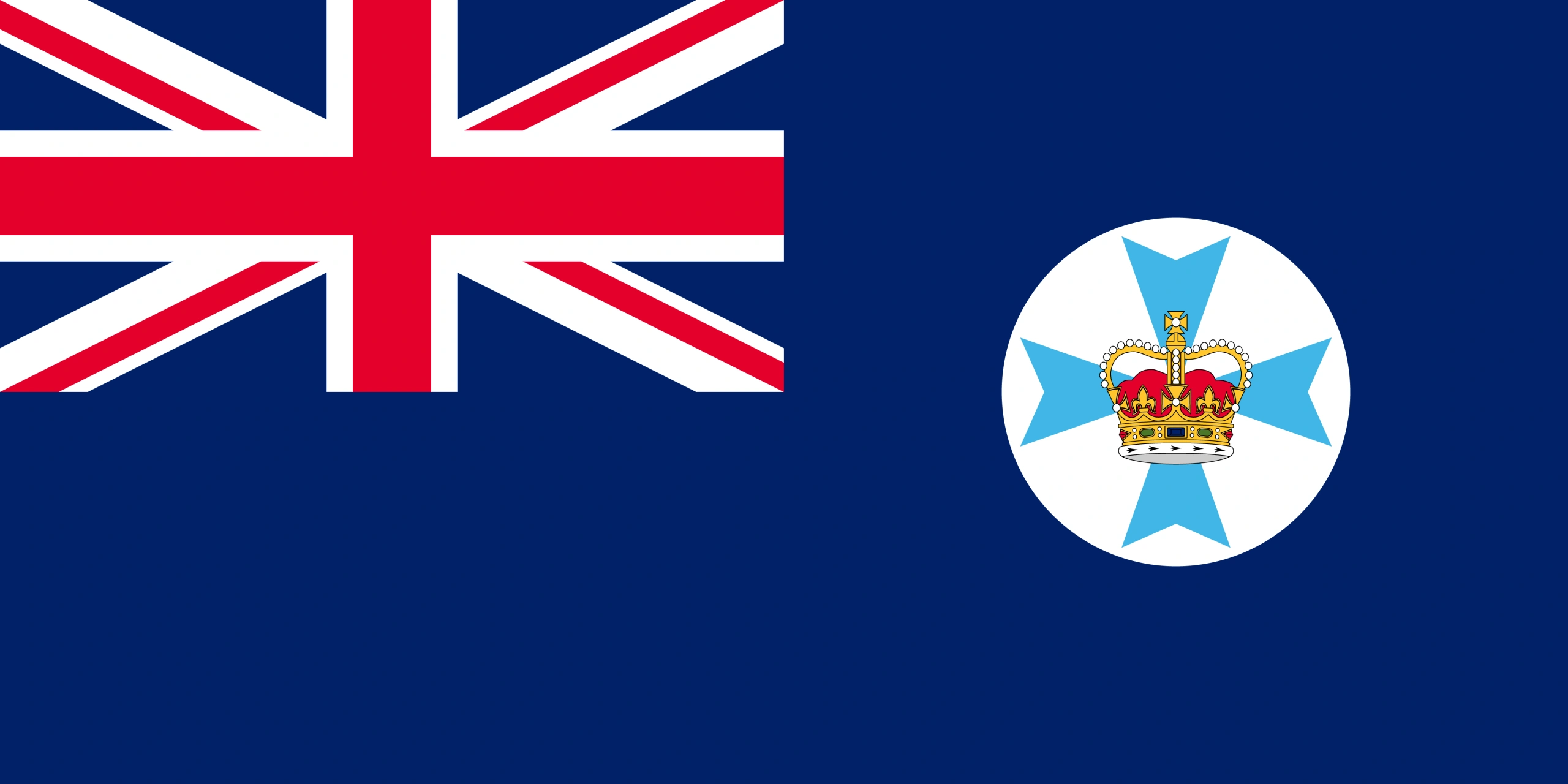
Queensland (Qld)
Queensland: Paradise Found in the Land Down Under
Queensland is Australia’s sunshine state — vast, vibrant, and bursting with natural beauty. Stretching from tropical rainforests in the far north to golden beaches and laid-back coastal cities in the south, Queensland delivers warm weather, relaxed living, and unforgettable scenery.
Home to world-famous icons like the Great Barrier Reef and the ancient Daintree Rainforest, the state offers extraordinary experiences both above and below the water. Along the coast, destinations like the Gold Coast, Sunshine Coast, and tropical islands invite beach days, adventure, and easy escapes, while inland Queensland reveals wide-open outback landscapes and rich country history.
From reef to rainforest to red dirt, Queensland is a destination made for exploration. Whether you’re chasing tropical adventure, family-friendly fun, or pure coastal relaxation, the Sunshine State captures the carefree spirit of Australia — and keeps travellers coming back for more.
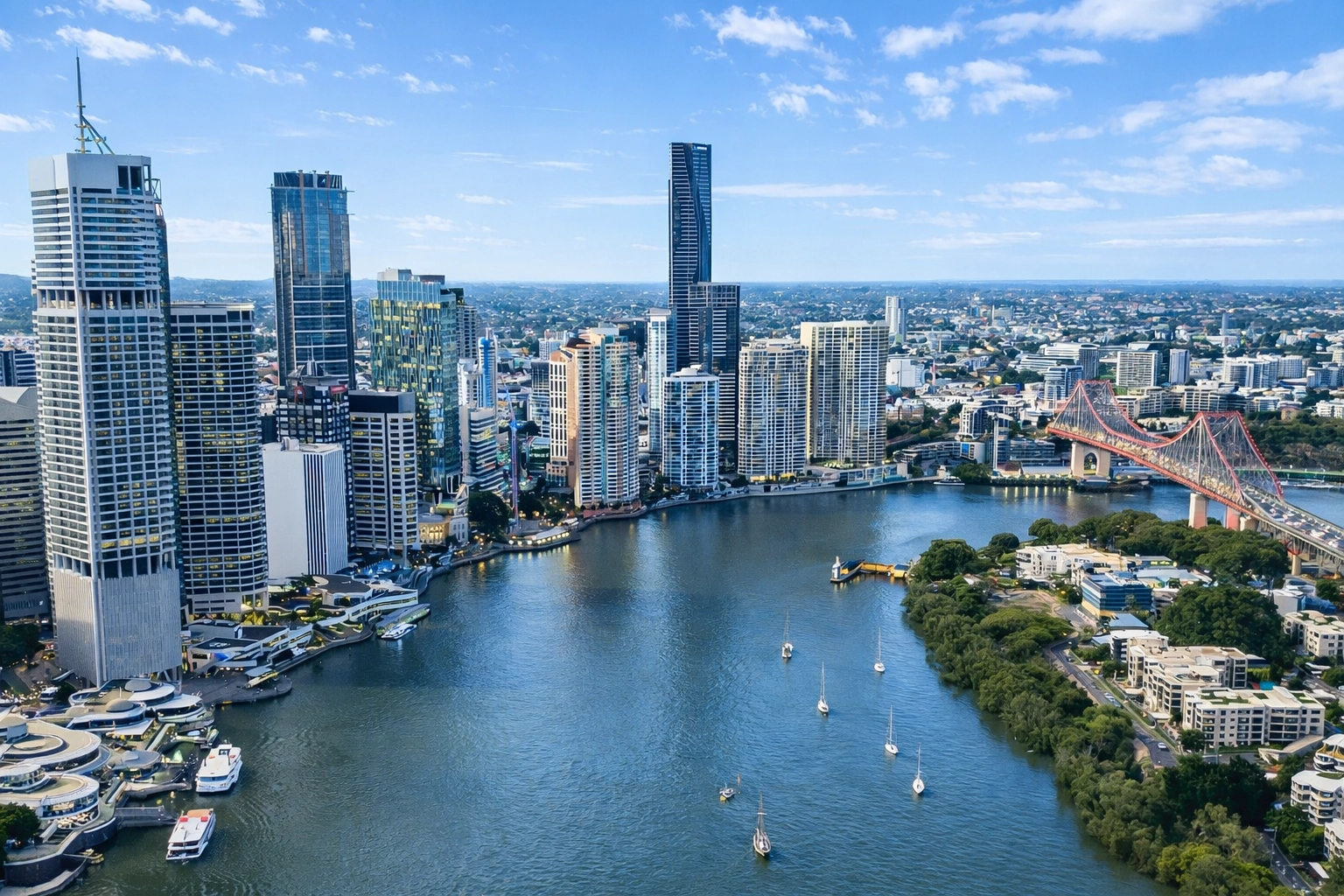
Brisbane
is a warm, welcoming river city that perfectly balances laid-back lifestyle with big-city energy. As Queensland’s capital, Brisbane enjoys a subtropical climate, outdoor-focused living, and a growing reputation as one of Australia’s most liveable cities.
The Brisbane River winds through the heart of the city, linking vibrant precincts like South Bank, home to riverside dining, cultural spaces, and the famous man-made beach. From rooftop bars and live music to markets and galleries, Brisbane’s creative scene is thriving — all framed by sunny days and relaxed local charm.
Just minutes from the city, parks, lookouts, and walking trails offer easy escapes, while the Gold Coast and Sunshine Coast sit within easy reach. Friendly, energetic, and effortlessly enjoyable, Brisbane is a city that invites you to slow down, step outside, and experience the best of Queensland living.
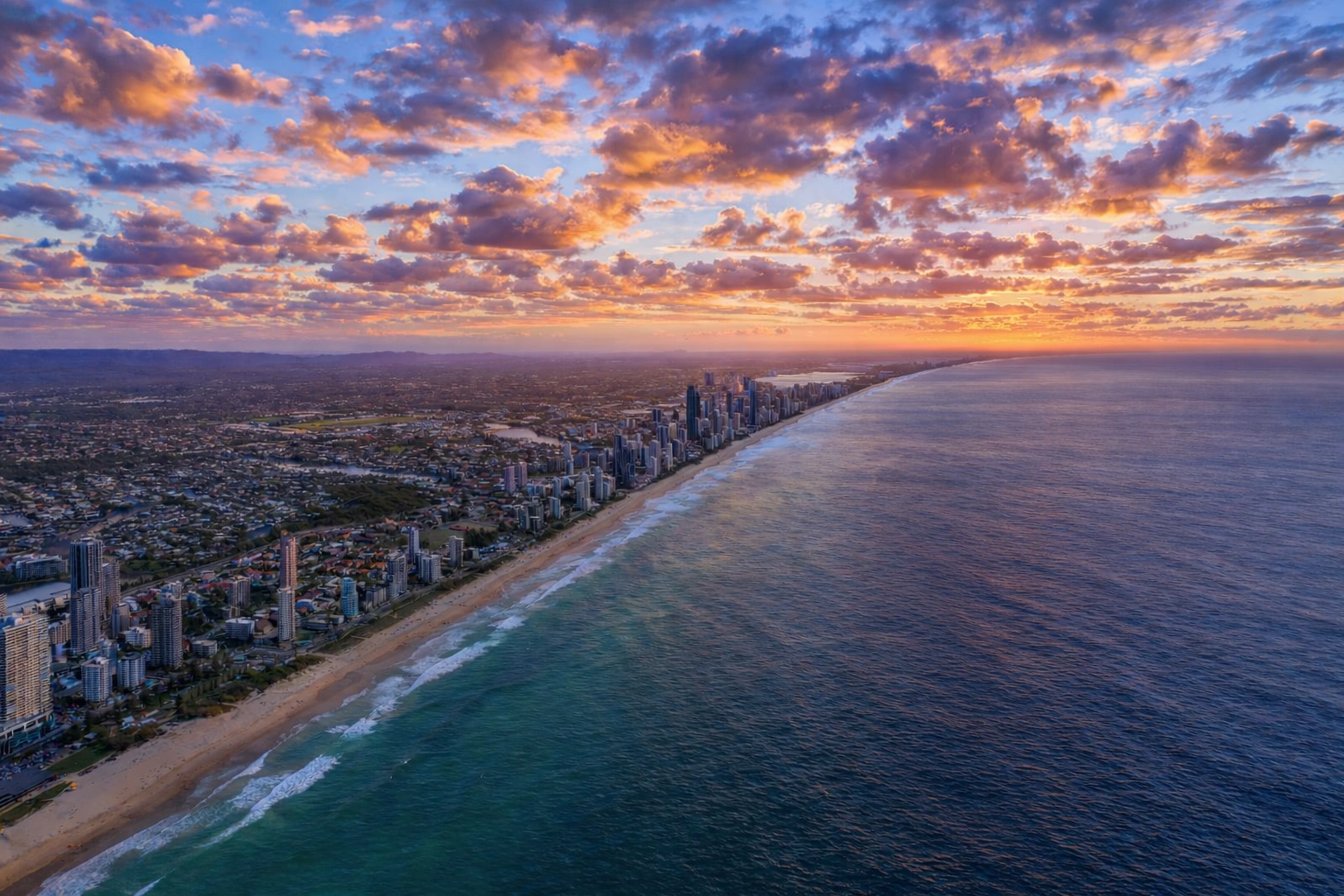
Gold Coast
is Australia’s playground by the sea — famous for golden beaches, rolling surf, and a year-round holiday vibe. Stretching along Queensland’s southeast coast, it blends relaxed beach culture with big-city energy, making it one of the country’s most popular coastal destinations.
Surf breaks and sandy shorelines define the coastline, from iconic Surfers Paradise to laid-back Burleigh Heads and Coolangatta. Add world-class dining, buzzing nightlife, family-friendly theme parks, and endless outdoor activities, and the Gold Coast delivers fun at every pace — whether you’re chasing adrenaline or pure relaxation.
Just inland, the lush hinterland reveals waterfalls, rainforest walks, and panoramic lookouts that offer a quieter contrast to the coast. Sun-soaked, vibrant, and effortlessly Australian, the Gold Coast is a destination that delivers easy escapes, unforgettable beach days, and holidays that feel like summer all year round.
Queensland is Australia’s sunshine state — vast, vibrant, and bursting with natural beauty. Stretching from tropical rainforests in the far north to golden beaches and laid-back coastal cities in the south, Queensland delivers warm weather, relaxed living, and unforgettable scenery.
Home to world-famous icons like the Great Barrier Reef and the ancient Daintree Rainforest, the state offers extraordinary experiences both above and below the water. Along the coast, destinations like the Gold Coast, Sunshine Coast, and tropical islands invite beach days, adventure, and easy escapes, while inland Queensland reveals wide-open outback landscapes and rich country history.
From reef to rainforest to red dirt, Queensland is a destination made for exploration. Whether you’re chasing tropical adventure, family-friendly fun, or pure coastal relaxation, the Sunshine State captures the carefree spirit of Australia — and keeps travellers coming back for more.
Brisbane
is a warm, welcoming river city that perfectly balances laid-back lifestyle with big-city energy. As Queensland’s capital, Brisbane enjoys a subtropical climate, outdoor-focused living, and a growing reputation as one of Australia’s most liveable cities.
The Brisbane River winds through the heart of the city, linking vibrant precincts like South Bank, home to riverside dining, cultural spaces, and the famous man-made beach. From rooftop bars and live music to markets and galleries, Brisbane’s creative scene is thriving — all framed by sunny days and relaxed local charm.
Just minutes from the city, parks, lookouts, and walking trails offer easy escapes, while the Gold Coast and Sunshine Coast sit within easy reach. Friendly, energetic, and effortlessly enjoyable, Brisbane is a city that invites you to slow down, step outside, and experience the best of Queensland living.
Gold Coast
is Australia’s playground by the sea — famous for golden beaches, rolling surf, and a year-round holiday vibe. Stretching along Queensland’s southeast coast, it blends relaxed beach culture with big-city energy, making it one of the country’s most popular coastal destinations.
Surf breaks and sandy shorelines define the coastline, from iconic Surfers Paradise to laid-back Burleigh Heads and Coolangatta. Add world-class dining, buzzing nightlife, family-friendly theme parks, and endless outdoor activities, and the Gold Coast delivers fun at every pace — whether you’re chasing adrenaline or pure relaxation.
Just inland, the lush hinterland reveals waterfalls, rainforest walks, and panoramic lookouts that offer a quieter contrast to the coast. Sun-soaked, vibrant, and effortlessly Australian, the Gold Coast is a destination that delivers easy escapes, unforgettable beach days, and holidays that feel like summer all year round.
South Australia (SA)
South Australia: From Vineyards to Coastlines
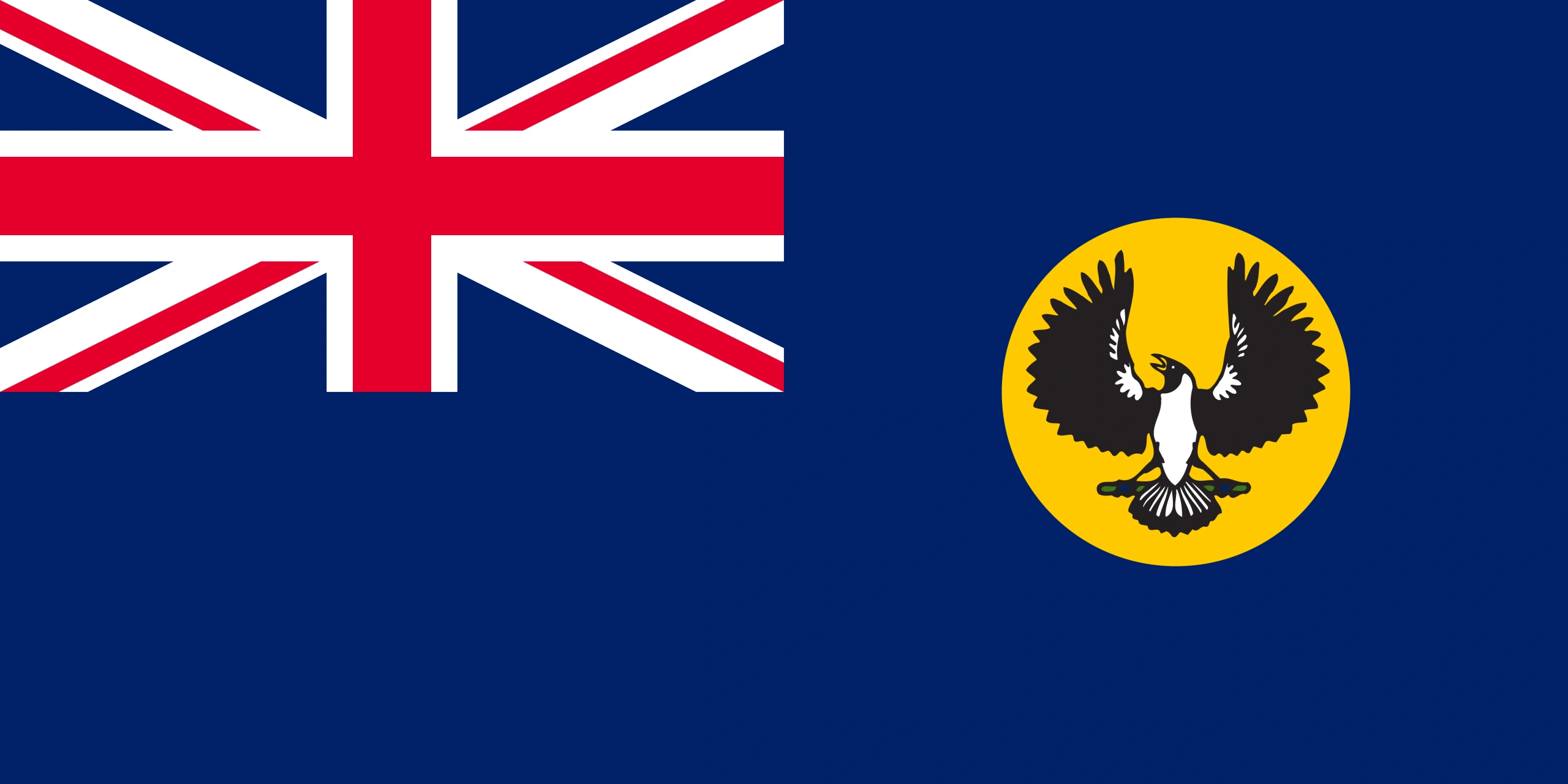
South Australia is low-key one of the most underrated parts of the country. It doesn’t shout the loudest — but it delivers big. The capital, Adelaide, is relaxed, cultured, and ridiculously easy to get around, with festivals, food, and wine woven into its DNA. Beyond the city, the landscapes flip dramatically: rugged red ranges in the north, wildlife-packed islands off the coast, wild Southern Ocean cliffs, and some of Australia’s best wine regions.
The Barossa, McLaren Vale and Clare Valley are world-class for shiraz and long lunches. Kangaroo Island feels like a mini-Galápagos — sea lions, dramatic rock formations, empty beaches. Head further north and you’re in the Flinders Ranges, where the outback starts to stretch wide and cinematic. It’s less crowded than the east coast, more spacious, and feels genuinely Australian in that big-sky, slow-burn way.
If you’re lining this up for The Holiday Hunter, South Australia is perfect for a “hidden gem” angle — food, wildlife, outback drama, all in one state.
Adelaide
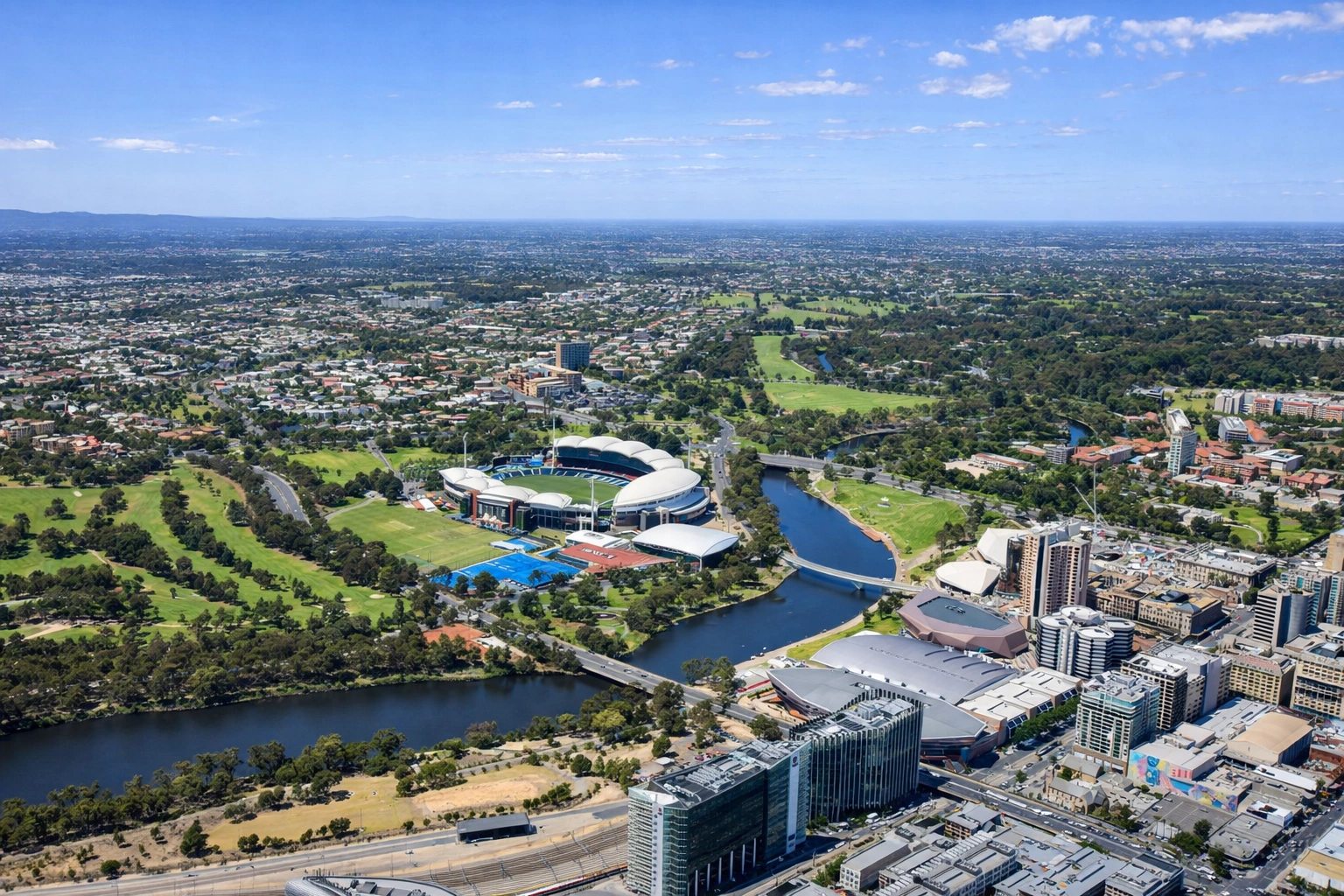
is the cool, calm achiever of Australian capitals. It’s compact, easy to navigate, and wrapped in parklands, which gives it this relaxed, breathable feel you don’t always get in bigger cities. The River Torrens slices through the centre, Adelaide Oval anchors the skyline, and the whole CBD sits on a neat grid layout. It’s a city that doesn’t try too hard — and that’s kind of its charm.
Food and wine are where Adelaide really flexes. You’ve got the Adelaide Central Market for fresh produce and multicultural eats, plus world-class wine regions like the Barossa and McLaren Vale basically on the doorstep. Festival season transforms the place — especially during Fringe and WOMADelaide — when the streets come alive with music, art and late nights. Then if you need ocean air, Glenelg Beach is just a tram ride away.
It’s not flashy like Sydney or loud like Melbourne — it’s more refined, more intimate. And honestly? That slower pace is exactly why a lot of people fall for it. If you want a punchy intro version for The Holiday Hunter, I can spin it that way too.
South Australia is low-key one of the most underrated parts of the country. It doesn’t shout the loudest — but it delivers big. The capital, Adelaide, is relaxed, cultured, and ridiculously easy to get around, with festivals, food, and wine woven into its DNA. Beyond the city, the landscapes flip dramatically: rugged red ranges in the north, wildlife-packed islands off the coast, wild Southern Ocean cliffs, and some of Australia’s best wine regions.
The Barossa, McLaren Vale and Clare Valley are world-class for shiraz and long lunches. Kangaroo Island feels like a mini-Galápagos — sea lions, dramatic rock formations, empty beaches. Head further north and you’re in the Flinders Ranges, where the outback starts to stretch wide and cinematic. It’s less crowded than the east coast, more spacious, and feels genuinely Australian in that big-sky, slow-burn way.
If you’re lining this up for The Holiday Hunter, South Australia is perfect for a “hidden gem” angle — food, wildlife, outback drama, all in one state.
Adelaide
is the cool, calm achiever of Australian capitals. It’s compact, easy to navigate, and wrapped in parklands, which gives it this relaxed, breathable feel you don’t always get in bigger cities. The River Torrens slices through the centre, Adelaide Oval anchors the skyline, and the whole CBD sits on a neat grid layout. It’s a city that doesn’t try too hard — and that’s kind of its charm.
Food and wine are where Adelaide really flexes. You’ve got the Adelaide Central Market for fresh produce and multicultural eats, plus world-class wine regions like the Barossa and McLaren Vale basically on the doorstep. Festival season transforms the place — especially during Fringe and WOMADelaide — when the streets come alive with music, art and late nights. Then if you need ocean air, Glenelg Beach is just a tram ride away.
It’s not flashy like Sydney or loud like Melbourne — it’s more refined, more intimate. And honestly? That slower pace is exactly why a lot of people fall for it. If you want a punchy intro version for The Holiday Hunter, I can spin it that way too.
Tasmania (Tas)
Discovering the Magic of Tasmania: Australias Hidden Gem
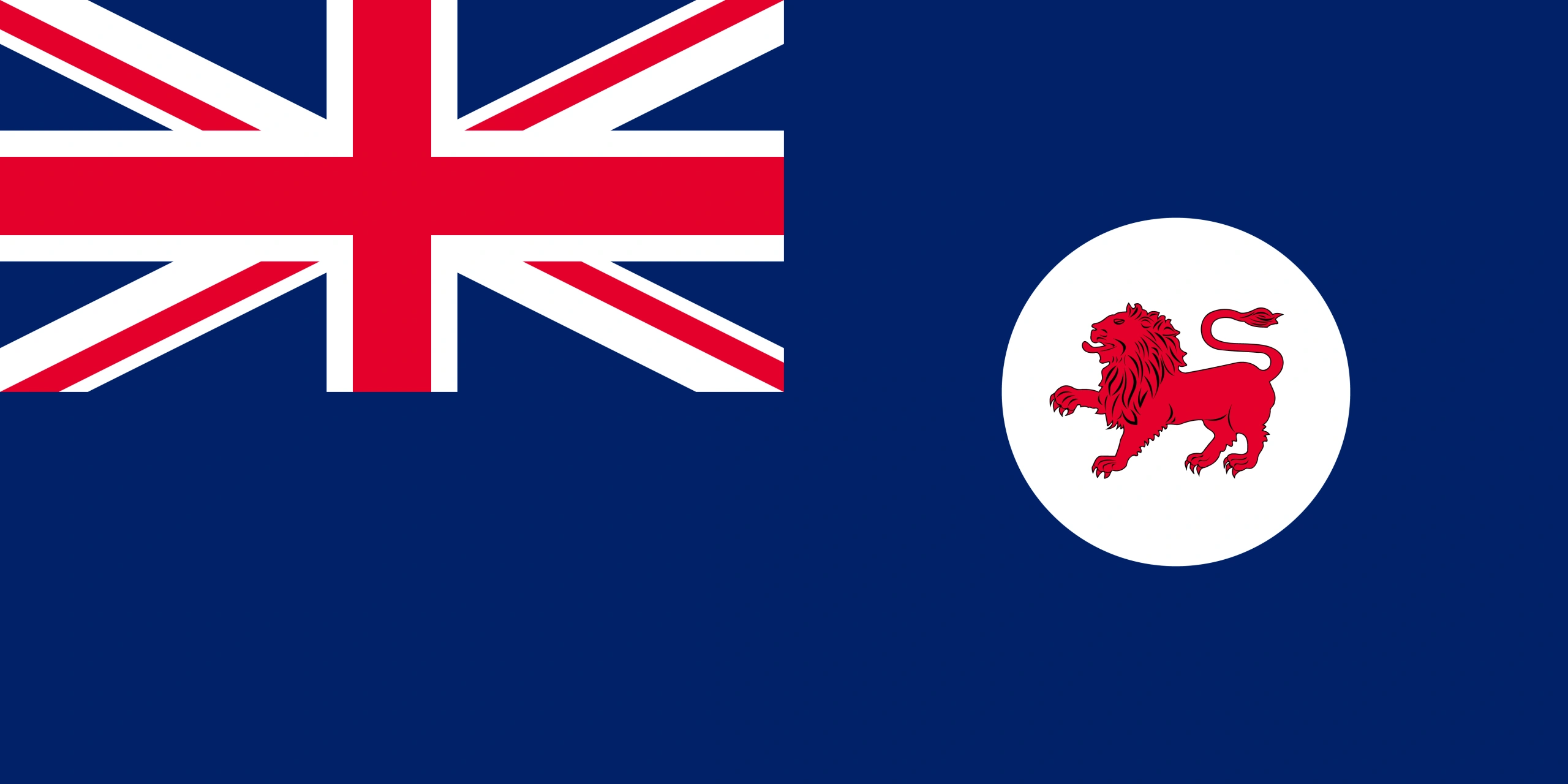
Tasmania is Australia’s wild child — rugged, dramatic, a little mysterious, and absolutely stunning. Sitting about 240km south of the mainland across Bass Strait, it’s Australia’s only island state and feels like a completely different world. Nearly half the island is protected as national parks or World Heritage wilderness, which means ancient rainforests, alpine peaks, wild rivers and coastlines that look like they belong on a movie set.
The capital, Hobart, blends historic sandstone buildings with a cool food-and-art scene (hello Salamanca Markets and waterfront seafood). Up north you’ve got Launceston and the stunning Cataract Gorge right in the middle of town. Then there’s Cradle Mountain for iconic alpine scenery and Freycinet National Park for that unreal curve of Wineglass Bay.
Wildlife? Tassie devils (yep, they’re real and they scream), wombats that look like walking ottomans, and some of the cleanest air in the world. The island also has a rich and complex Aboriginal history stretching back over 40,000 years — something that’s finally getting more recognition and respect.
If you’re thinking travel content 👀 Tasmania is gold for cinematic landscapes — misty mountains, moody coastlines, and roads that wind forever.
Hobart
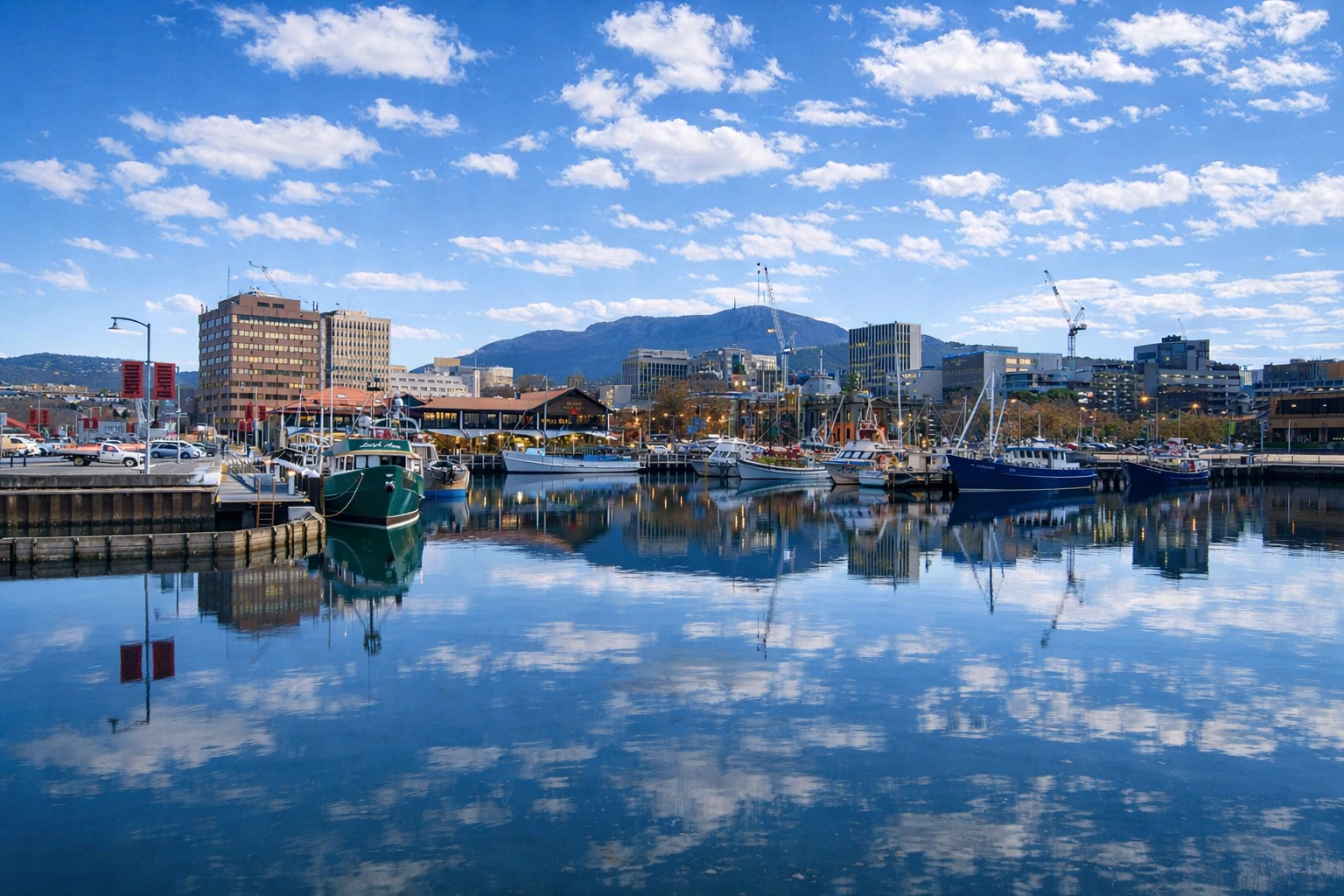
is Australia’s second-oldest capital city, but don’t let the history fool you — it’s got serious edge. Sitting on the River Derwent under the looming presence of kunanyi / Mount Wellington, the city mixes colonial sandstone streets with cool-climate wineries, edgy art, and ridiculously good seafood. The waterfront is the heart of it all — fishing boats, yachts, fresh oysters, and that crisp Tassie air that just hits different.
Wander through Salamanca Place on a Saturday and you’ll find one of Australia’s best markets, packed with local produce, handmade goods and buskers. Then there’s Museum of Old and New Art (MONA) — controversial, bold, and unlike anything else in the country. Hobart also carries deep Aboriginal history, being home to the palawa people for tens of thousands of years before British settlement in 1804 reshaped the landscape.
For travel content? Hobart is moody, dramatic and photogenic year-round — mist rolling off the mountain, golden light on the harbour, and those historic buildings glowing at sunset.
Tasmania is Australia’s wild child — rugged, dramatic, a little mysterious, and absolutely stunning. Sitting about 240km south of the mainland across Bass Strait, it’s Australia’s only island state and feels like a completely different world. Nearly half the island is protected as national parks or World Heritage wilderness, which means ancient rainforests, alpine peaks, wild rivers and coastlines that look like they belong on a movie set.
The capital, Hobart, blends historic sandstone buildings with a cool food-and-art scene (hello Salamanca Markets and waterfront seafood). Up north you’ve got Launceston and the stunning Cataract Gorge right in the middle of town. Then there’s Cradle Mountain for iconic alpine scenery and Freycinet National Park for that unreal curve of Wineglass Bay.
Wildlife? Tassie devils (yep, they’re real and they scream), wombats that look like walking ottomans, and some of the cleanest air in the world. The island also has a rich and complex Aboriginal history stretching back over 40,000 years — something that’s finally getting more recognition and respect.
If you’re thinking travel content 👀 Tasmania is gold for cinematic landscapes — misty mountains, moody coastlines, and roads that wind forever.
Hobart
is Australia’s second-oldest capital city, but don’t let the history fool you — it’s got serious edge. Sitting on the River Derwent under the looming presence of kunanyi / Mount Wellington, the city mixes colonial sandstone streets with cool-climate wineries, edgy art, and ridiculously good seafood. The waterfront is the heart of it all — fishing boats, yachts, fresh oysters, and that crisp Tassie air that just hits different.
Wander through Salamanca Place on a Saturday and you’ll find one of Australia’s best markets, packed with local produce, handmade goods and buskers. Then there’s Museum of Old and New Art (MONA) — controversial, bold, and unlike anything else in the country. Hobart also carries deep Aboriginal history, being home to the palawa people for tens of thousands of years before British settlement in 1804 reshaped the landscape.
For travel content? Hobart is moody, dramatic and photogenic year-round — mist rolling off the mountain, golden light on the harbour, and those historic buildings glowing at sunset.
Victoria (Vic)
Victoria: A Must-Visit Destination for Every Traveler
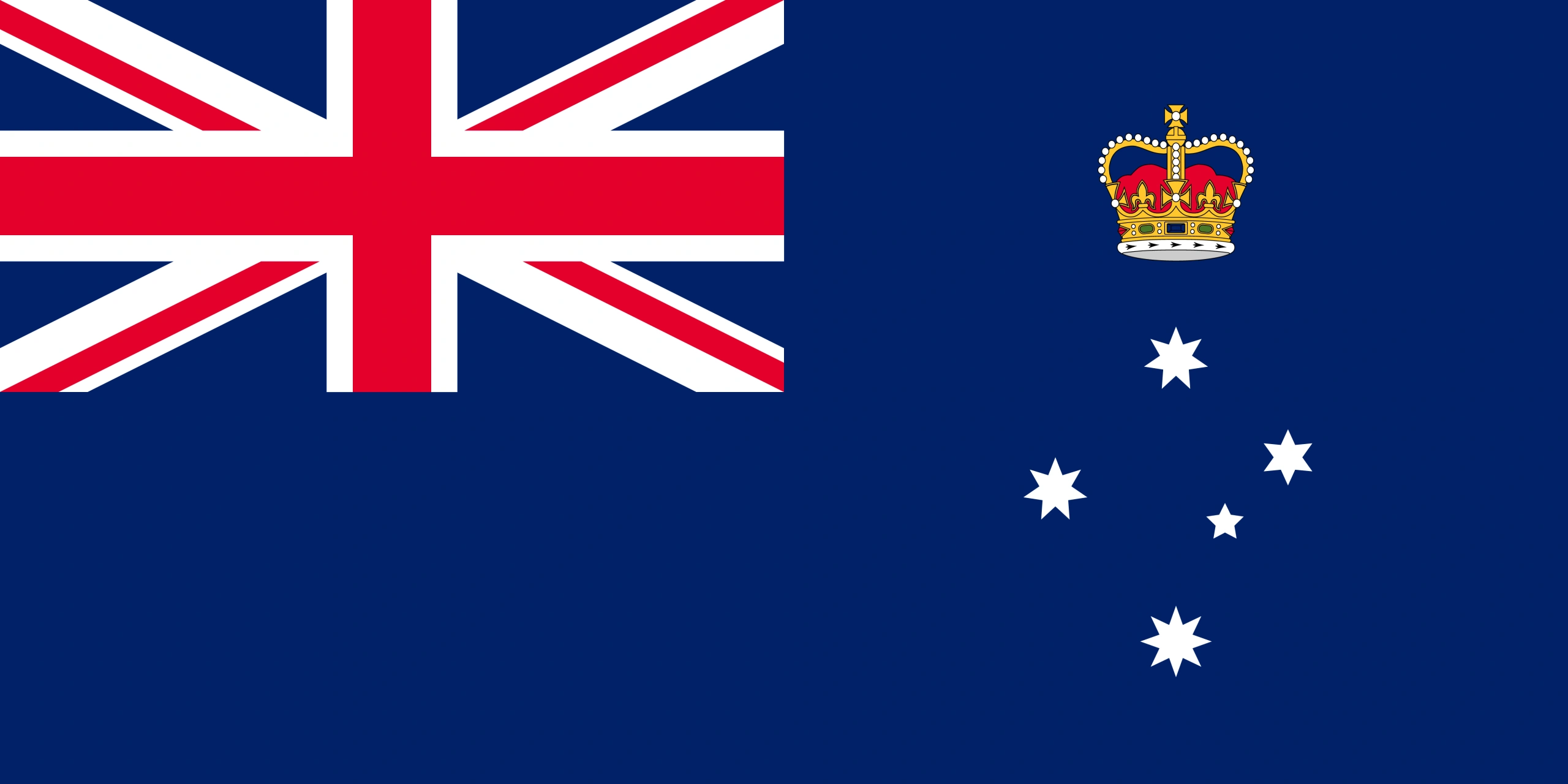
Victoria might be one of Australia’s smaller mainland states, but it absolutely punches above its weight. From buzzing laneways in Melbourne to wild coastlines and alpine snowfields, it packs serious variety into a compact space. The capital, Melbourne, is the cultural and sporting heartbeat — coffee capital, AFL headquarters, Grand Prix host, and home to the iconic Melbourne Cricket Ground.
But step outside the city and Victoria really flexes. You’ve got the dramatic limestone cliffs of the Twelve Apostles along the Great Ocean Road, the rugged peaks of Grampians National Park, and the cute chaos of penguins at Phillip Island. In winter, the Victorian Alps bring snow to places like Mount Buller, and in autumn the High Country turns golden.
It’s also rich in Aboriginal history, particularly the cultures of the Kulin Nation, whose connection to the land stretches back tens of thousands of years.
For travel content? Victoria is perfect for tight, cinematic road trips — everything’s close, but it feels wildly different from region to region.
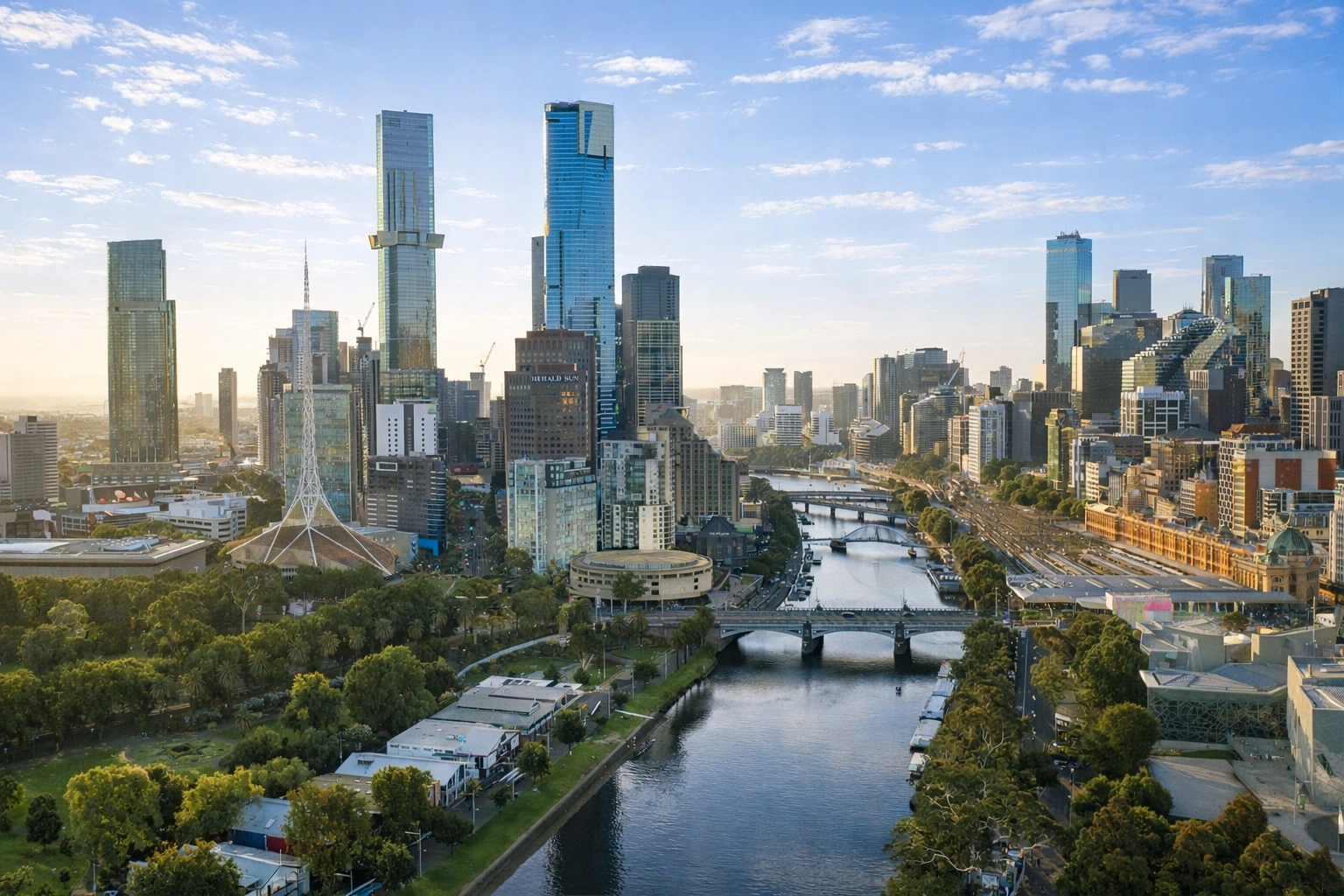
Melbourne
is Australia’s culture capital — and it absolutely knows it. Built along the Yarra River, the city blends grand 19th-century architecture with hidden laneways, street art, rooftop bars and coffee so serious it borders on competitive sport. You’ve got iconic spots like Flinders Street Station anchoring the CBD, while Hosier Lane splashes colour across brick walls with ever-changing graffiti.
Sport is basically religion here — from the AFL at the Melbourne Cricket Ground to the Australian Open each summer. Food? Elite. Multicultural influences mean you can eat your way around the world without leaving a few city blocks. Head to St Kilda for beach sunsets and penguins, or cruise the Great Ocean Road for one of Australia’s most dramatic coastal drives.
Melbourne has seasons — actual seasons — so expect crisp winters, golden autumn leaves, and those four-seasons-in-one-day moments locals love to joke about.
The Twelve Apostles
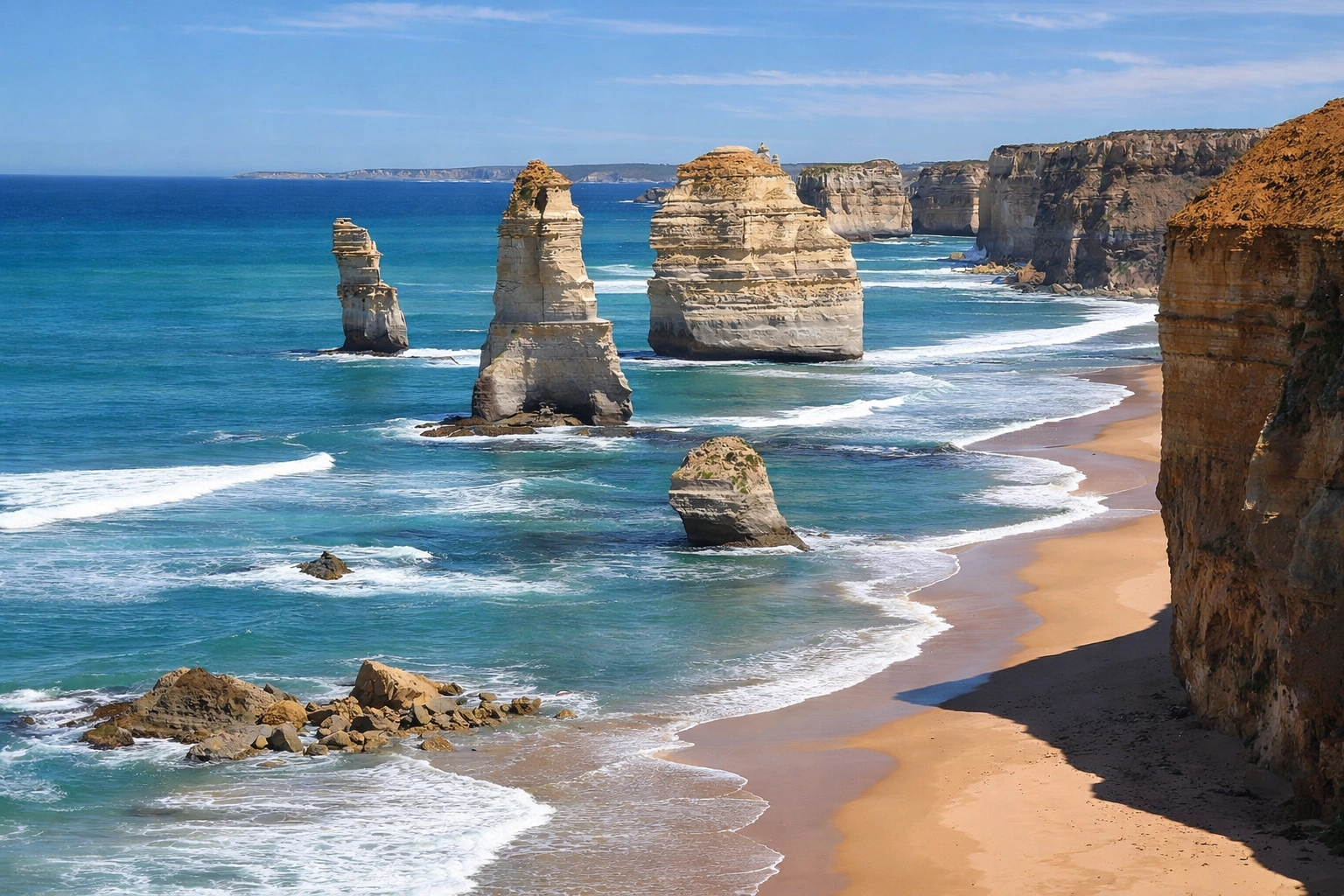
are one of Australia’s most iconic coastal landmarks — massive limestone stacks rising dramatically out of the Southern Ocean along the Great Ocean Road in Victoria. Despite the name, there were never actually twelve… and today only eight remain standing thanks to constant erosion from wind and pounding waves. Nature built them over millions of years, and nature is slowly pulling them back down again.
They sit inside Port Campbell National Park, about four hours from Melbourne, and the drive itself is half the magic — winding cliffs, rainforest pockets, and ocean views that just don’t quit. Sunrise and sunset are next-level here, when the limestone glows golden against deep blue water. It’s raw, powerful, and properly cinematic.
For The Holiday Hunter, this is pure drone-gold content — especially paired with Loch Ard Gorge or Gibson Steps for that “walk down to the ocean” perspective.
Victoria might be one of Australia’s smaller mainland states, but it absolutely punches above its weight. From buzzing laneways in Melbourne to wild coastlines and alpine snowfields, it packs serious variety into a compact space. The capital, Melbourne, is the cultural and sporting heartbeat — coffee capital, AFL headquarters, Grand Prix host, and home to the iconic Melbourne Cricket Ground.
But step outside the city and Victoria really flexes. You’ve got the dramatic limestone cliffs of the Twelve Apostles along the Great Ocean Road, the rugged peaks of Grampians National Park, and the cute chaos of penguins at Phillip Island. In winter, the Victorian Alps bring snow to places like Mount Buller, and in autumn the High Country turns golden.
It’s also rich in Aboriginal history, particularly the cultures of the Kulin Nation, whose connection to the land stretches back tens of thousands of years.
For travel content? Victoria is perfect for tight, cinematic road trips — everything’s close, but it feels wildly different from region to region.
Melbourne
is Australia’s culture capital — and it absolutely knows it. Built along the Yarra River, the city blends grand 19th-century architecture with hidden laneways, street art, rooftop bars and coffee so serious it borders on competitive sport. You’ve got iconic spots like Flinders Street Station anchoring the CBD, while Hosier Lane splashes colour across brick walls with ever-changing graffiti.
Sport is basically religion here — from the AFL at the Melbourne Cricket Ground to the Australian Open each summer. Food? Elite. Multicultural influences mean you can eat your way around the world without leaving a few city blocks. Head to St Kilda for beach sunsets and penguins, or cruise the Great Ocean Road for one of Australia’s most dramatic coastal drives.
Melbourne has seasons — actual seasons — so expect crisp winters, golden autumn leaves, and those four-seasons-in-one-day moments locals love to joke about.
The Twelve Apostles
are one of Australia’s most iconic coastal landmarks — massive limestone stacks rising dramatically out of the Southern Ocean along the Great Ocean Road in Victoria. Despite the name, there were never actually twelve… and today only eight remain standing thanks to constant erosion from wind and pounding waves. Nature built them over millions of years, and nature is slowly pulling them back down again.
They sit inside Port Campbell National Park, about four hours from Melbourne, and the drive itself is half the magic — winding cliffs, rainforest pockets, and ocean views that just don’t quit. Sunrise and sunset are next-level here, when the limestone glows golden against deep blue water. It’s raw, powerful, and properly cinematic.
For The Holiday Hunter, this is pure drone-gold content — especially paired with Loch Ard Gorge or Gibson Steps for that “walk down to the ocean” perspective.
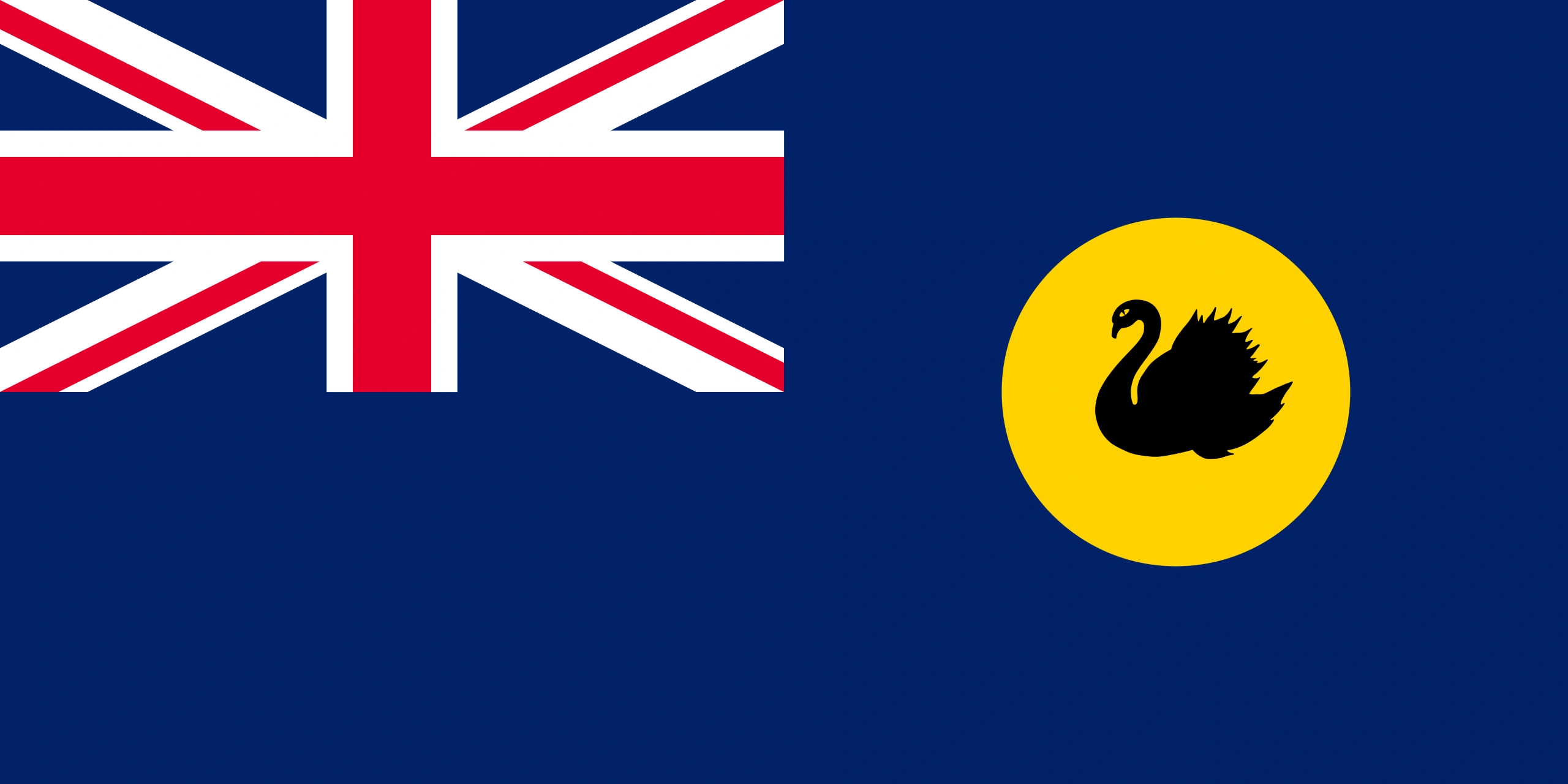
Western Australia (WA)
Exploring the Beauty of Western Australia: From Stunning Coastlines to Vast Outback
Western Australia is massive. Like… country-sized massive. It takes up about a third of the entire continent, yet has a population smaller than Sydney. What you get in return? Space, silence, raw landscapes, and some of the most untouched coastline in the world.
Up north you’ve got the red dirt and turquoise waters of Broome’s Cable Beach, dramatic gorges in Karijini National Park, and world-class snorkelling at Ningaloo Reef — where you can swim with whale sharks. Closer to Perth, the surreal limestone spires of the Pinnacles Desert look like something off another planet. Then down south? Margaret River wine country, giant karri forests, and wild Southern Ocean coastlines.
It’s a state of extremes — tropical in the north, Mediterranean in the southwest, desert through the centre. Big skies. Big distances. Big adventures.
Perth
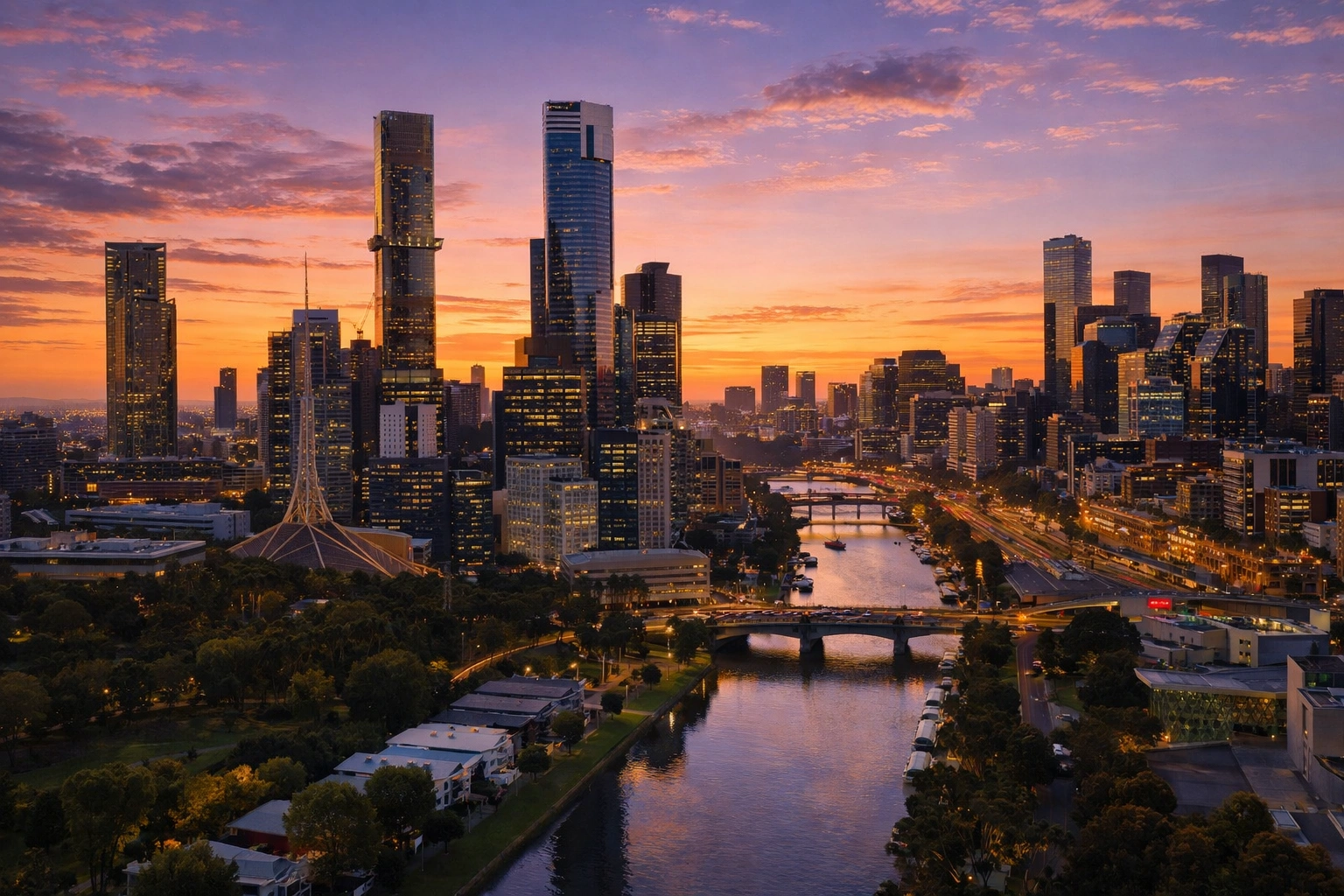
is Australia’s sun-soaked west coast gem — relaxed, outdoorsy, and ridiculously blessed with blue skies. Sitting on the Swan River and facing the Indian Ocean, it’s one of the most isolated major cities in the world… which honestly just adds to its charm. Life moves at a slightly slower pace here — beach mornings, river walks, and golden sunsets that seem to go on forever.
You’ve got sweeping city views from Kings Park and Botanic Garden (bigger than Central Park, by the way), iconic swims at Cottesloe Beach, and modern waterfront vibes around Elizabeth Quay. Fremantle (just down the road) brings heritage buildings, craft breweries and a salty port-city feel. Plus, WA’s natural wonders are basically on Perth’s doorstep — Rottnest Island’s quokkas, Margaret River wine country, and the Pinnacles Desert.
Perth feels spacious. Clean. Bright. It’s a city where nature isn’t something you visit — it’s just… there.
Cable Beach
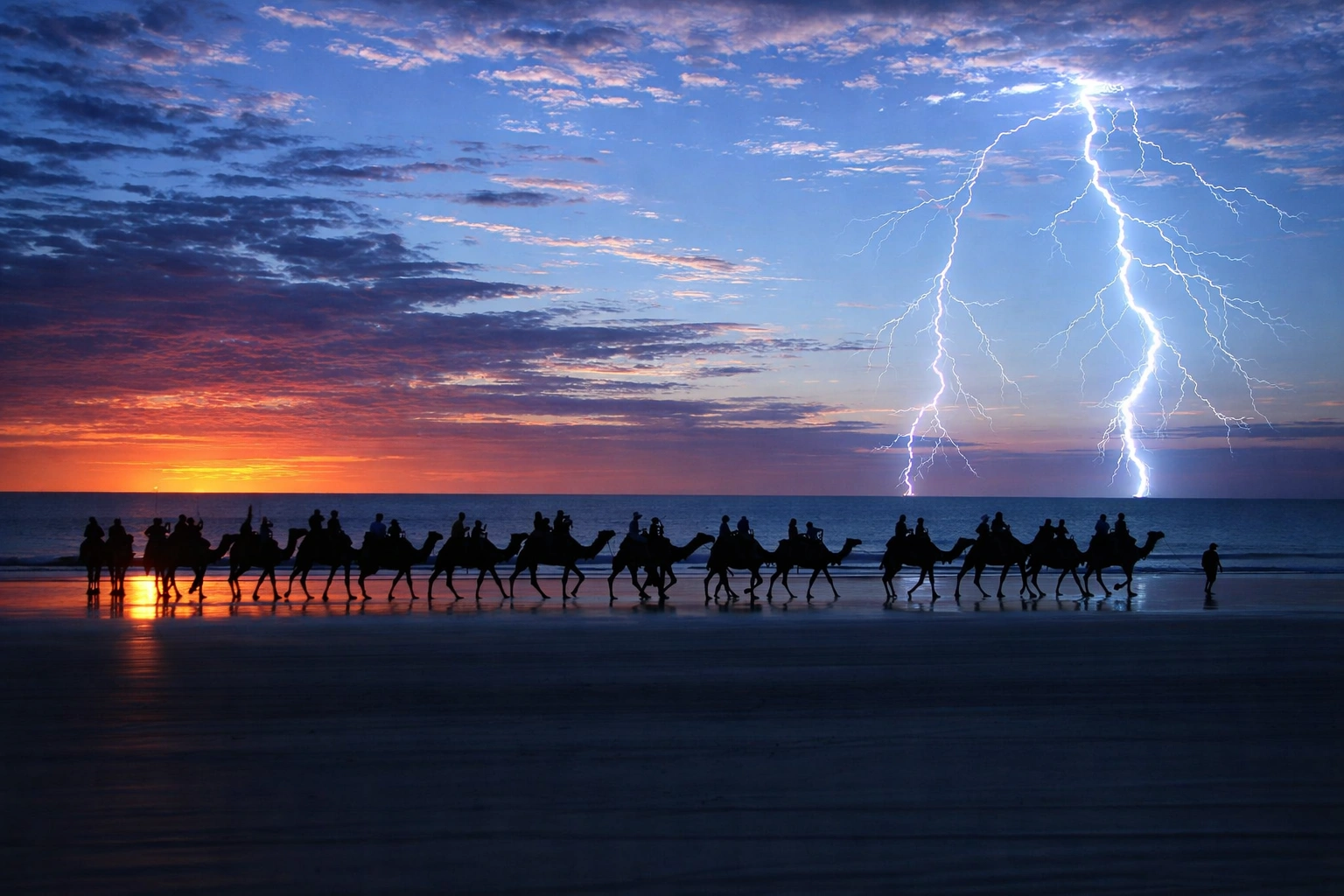
is one of those places that doesn’t look real. Twenty-two kilometres of pure white sand meeting electric-blue Indian Ocean, backed by red pindan cliffs that glow at sunset. It’s warm most of the year, the water is crystal clear, and the sunsets? Proper show-stoppers — the kind where everyone just stops and watches.
The iconic image here is camels walking along the shoreline at dusk, their silhouettes framed against a fiery sky. But beyond the postcard moment, Cable Beach is surprisingly relaxed. Long swims, beach walks that feel endless, and that laid-back Broome vibe. During the dry season (May to October) the weather is near perfect — blue skies, low humidity. Wet season brings dramatic storms and tropical energy.
For filming? Sunset drone shots are gold. Low tide reflections, wide horizon lines, and that contrast between red earth and turquoise water is pure cinematic magic.
Pink Lake, Lake Hillier
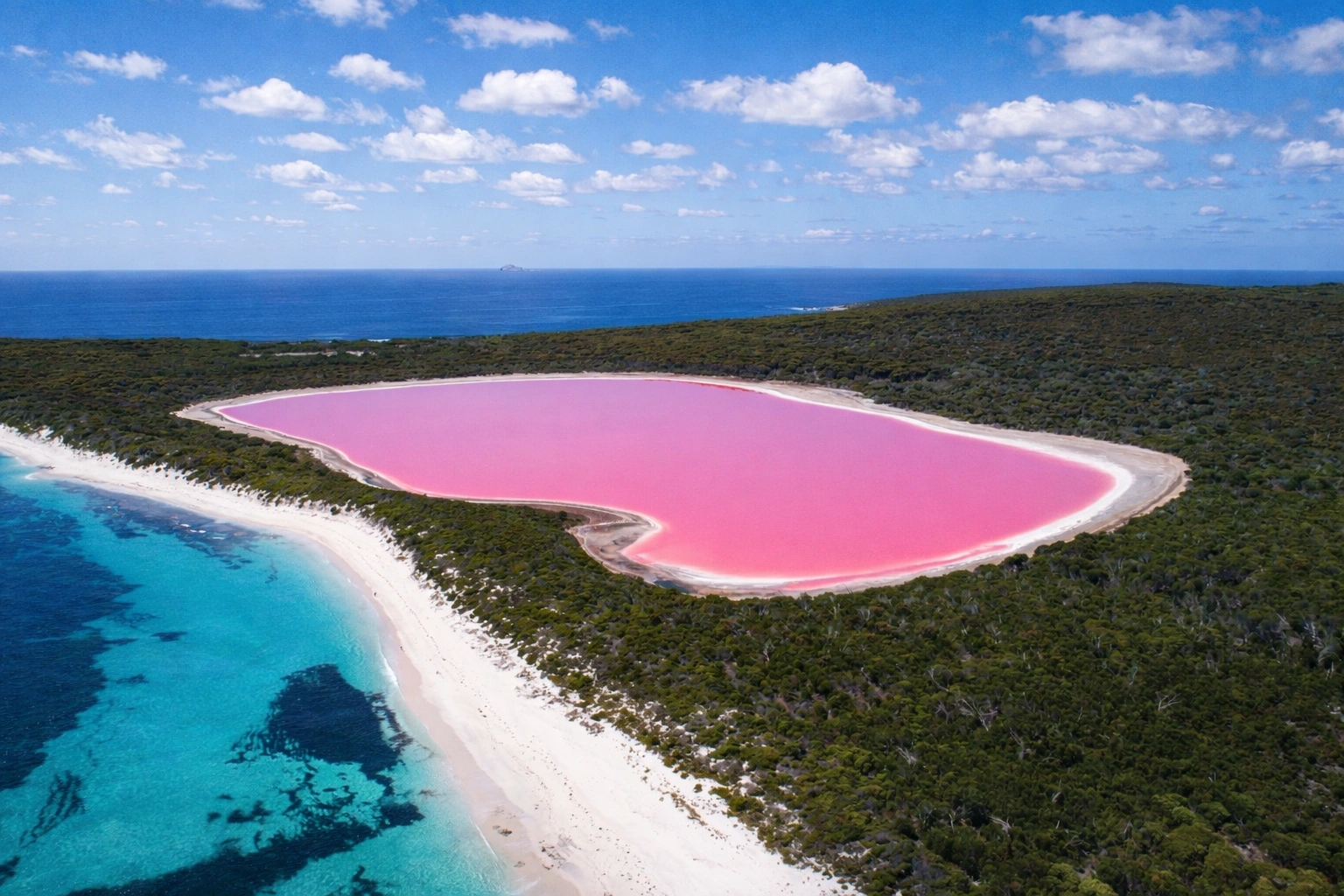
When people talk about Australia’s “pink lake,” they usually mean Lake Hillier — and yes, it’s genuinely bubble-gum pink. No filter, no trick photography. The colour comes from algae and salt-loving microorganisms that produce pigments in the highly saline water. What makes it wild is that the lake sits right beside the deep blue Southern Ocean on Middle Island near Esperance, so from the air the contrast is unreal.
You can’t just rock up and swim in it, though — access is limited because it’s in a protected nature reserve. Most people see it via scenic flight, which honestly gives you the best perspective anyway. Western Australia has a few other pink lakes too (some more seasonal than others), but Lake Hillier is the most consistently vibrant.
From a content perspective? This is pure drone-level spectacle — bright pink against white sand and cobalt ocean. It almost looks AI-generated… but it’s 100% real Aussie weirdness.
Western Australia is massive. Like… country-sized massive. It takes up about a third of the entire continent, yet has a population smaller than Sydney. What you get in return? Space, silence, raw landscapes, and some of the most untouched coastline in the world.
Up north you’ve got the red dirt and turquoise waters of Broome’s Cable Beach, dramatic gorges in Karijini National Park, and world-class snorkelling at Ningaloo Reef — where you can swim with whale sharks. Closer to Perth, the surreal limestone spires of the Pinnacles Desert look like something off another planet. Then down south? Margaret River wine country, giant karri forests, and wild Southern Ocean coastlines.
It’s a state of extremes — tropical in the north, Mediterranean in the southwest, desert through the centre. Big skies. Big distances. Big adventures.
Perth
is Australia’s sun-soaked west coast gem — relaxed, outdoorsy, and ridiculously blessed with blue skies. Sitting on the Swan River and facing the Indian Ocean, it’s one of the most isolated major cities in the world… which honestly just adds to its charm. Life moves at a slightly slower pace here — beach mornings, river walks, and golden sunsets that seem to go on forever.
You’ve got sweeping city views from Kings Park and Botanic Garden (bigger than Central Park, by the way), iconic swims at Cottesloe Beach, and modern waterfront vibes around Elizabeth Quay. Fremantle (just down the road) brings heritage buildings, craft breweries and a salty port-city feel. Plus, WA’s natural wonders are basically on Perth’s doorstep — Rottnest Island’s quokkas, Margaret River wine country, and the Pinnacles Desert.
Perth feels spacious. Clean. Bright. It’s a city where nature isn’t something you visit — it’s just… there.
Cable Beach
is one of those places that doesn’t look real. Twenty-two kilometres of pure white sand meeting electric-blue Indian Ocean, backed by red pindan cliffs that glow at sunset. It’s warm most of the year, the water is crystal clear, and the sunsets? Proper show-stoppers — the kind where everyone just stops and watches.
The iconic image here is camels walking along the shoreline at dusk, their silhouettes framed against a fiery sky. But beyond the postcard moment, Cable Beach is surprisingly relaxed. Long swims, beach walks that feel endless, and that laid-back Broome vibe. During the dry season (May to October) the weather is near perfect — blue skies, low humidity. Wet season brings dramatic storms and tropical energy.
For filming? Sunset drone shots are gold. Low tide reflections, wide horizon lines, and that contrast between red earth and turquoise water is pure cinematic magic.
Pink Lake, Lake Hillier
When people talk about Australia’s “pink lake,” they usually mean Lake Hillier — and yes, it’s genuinely bubble-gum pink. No filter, no trick photography. The colour comes from algae and salt-loving microorganisms that produce pigments in the highly saline water. What makes it wild is that the lake sits right beside the deep blue Southern Ocean on Middle Island near Esperance, so from the air the contrast is unreal.
You can’t just rock up and swim in it, though — access is limited because it’s in a protected nature reserve. Most people see it via scenic flight, which honestly gives you the best perspective anyway. Western Australia has a few other pink lakes too (some more seasonal than others), but Lake Hillier is the most consistently vibrant.
From a content perspective? This is pure drone-level spectacle — bright pink against white sand and cobalt ocean. It almost looks AI-generated… but it’s 100% real Aussie weirdness.
Australian External Territories
Christmas Island
Christmas Island: A Destination for Adventurers and Relaxation Seekers
For more information www.christmas.net.au
Christmas Island is one of Australia’s most remote and fascinating territories — a tiny speck in the Indian Ocean about 2,600km north-west of Perth and much closer to Indonesia than the mainland. Despite the name, it’s not about tinsel and Santa… it was named on Christmas Day in 1643 by an English sea captain. Today it’s known for wild jungle landscapes, dramatic coastal cliffs, and one of the most surreal wildlife events on the planet.
Every year, millions of bright red crabs migrate from the rainforest to the ocean to spawn. Roads literally close so the crabs can cross. It looks like the island is moving. Beyond the crabs, nearly two-thirds of the island is protected as national park, packed with rare seabirds, blowholes, waterfalls and thick tropical forest. The main settlement, Flying Fish Cove, has a small, multicultural community with strong Chinese and Malay influences.
For content? This place is visually unique — rainforest meeting sheer ocean cliffs, turquoise water, and that red-crab spectacle that feels almost sci-fi.
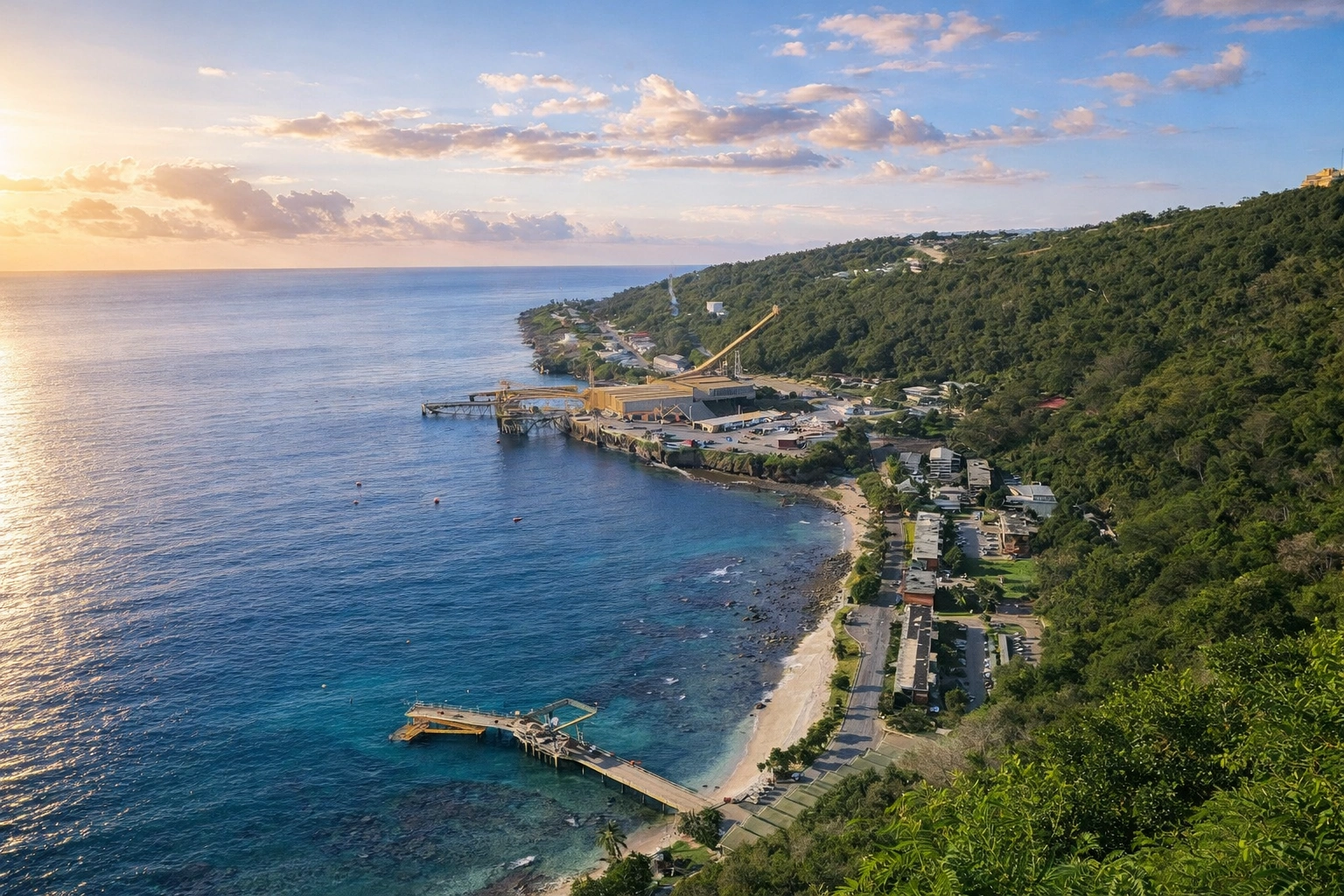
Flying Fish Cove
often just called “The Settlement” by locals — is the main town and port of Christmas Island. It’s a small, laid-back coastal strip hugging the edge of dramatic limestone cliffs, where rainforest meets ridiculously clear Indian Ocean water. This is where you’ll find the island’s harbour, government buildings, local shops, and the majority of the island’s population.
The vibe is relaxed and multicultural, shaped by strong Malay and Chinese heritage alongside Australian influence. It’s also the jumping-off point for diving and snorkelling — the water here drops off quickly, meaning coral reefs and deep ocean life are incredibly close to shore. During red crab season, you’ll even see them moving through parts of town on their migration.
Visually? It’s tropical but rugged — turquoise water, steep jungle backdrops, and quiet streets that feel worlds away from mainland Australia.
Red Crab migration
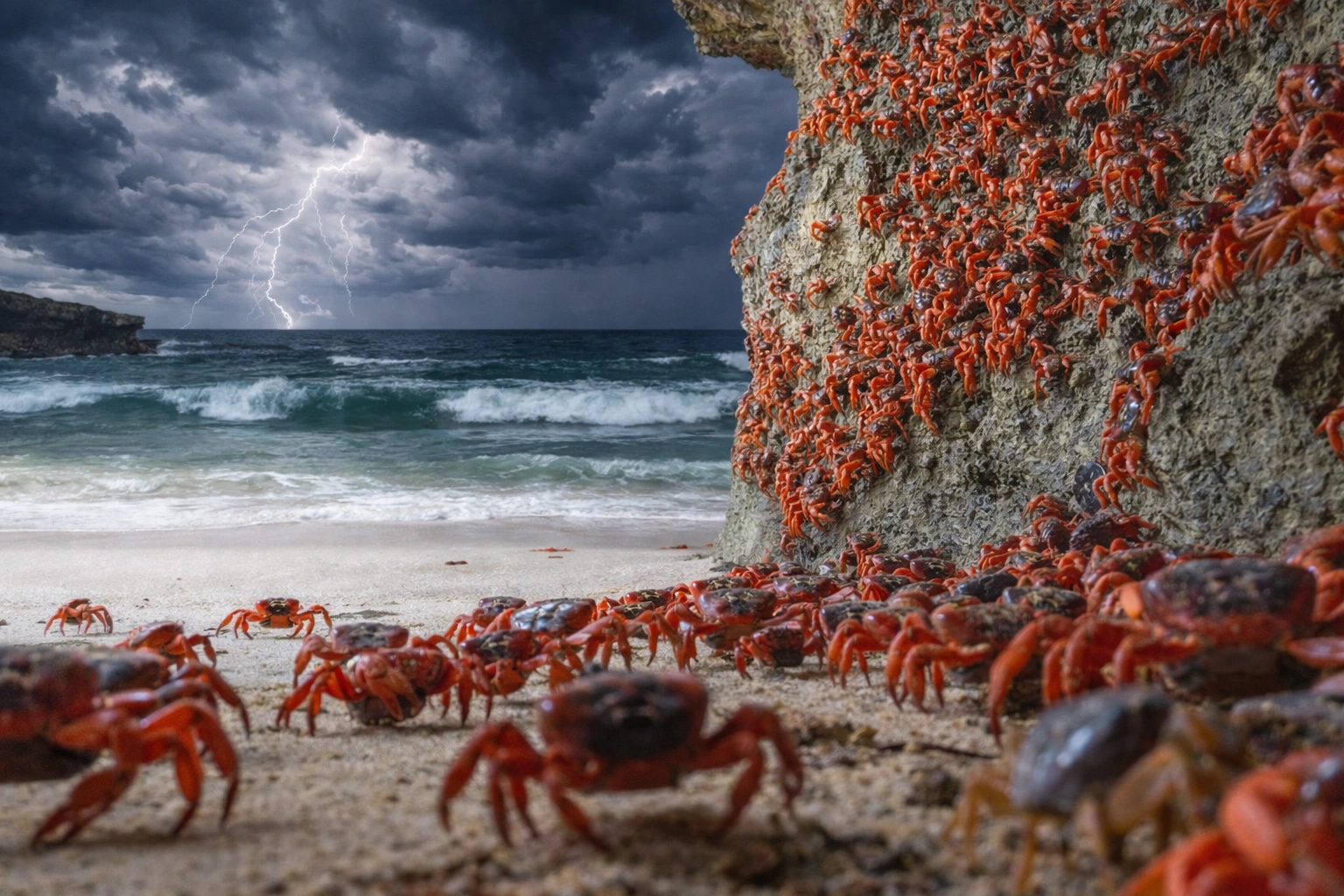
This is one of the wildest natural events in Australia — and honestly, it looks like something out of a documentary narrated in a whisper. Every year on Christmas Island, an estimated 40–50 million bright red land crabs leave the rainforest and march toward the ocean to spawn.
The migration usually kicks off at the start of the wet season (around October–November), triggered by rainfall and linked to the lunar cycle. Roads close. Special “crab bridges” help them cross safely. Locals literally build their schedules around it. From above, it looks like the island is moving — a red tide flowing through jungle and across bitumen.
Once they reach the coast, females release their eggs into the sea. Weeks later, tiny baby crabs return to shore and begin the long climb back into the forest, where they’ll spend most of their lives.
For content? It’s pure spectacle. Aerial shots of red covering green rainforest, slow-motion crossings, and that surreal scale — millions moving with one purpose.
Christmas Island is one of Australia’s most remote and fascinating territories — a tiny speck in the Indian Ocean about 2,600km north-west of Perth and much closer to Indonesia than the mainland. Despite the name, it’s not about tinsel and Santa… it was named on Christmas Day in 1643 by an English sea captain. Today it’s known for wild jungle landscapes, dramatic coastal cliffs, and one of the most surreal wildlife events on the planet.
Every year, millions of bright red crabs migrate from the rainforest to the ocean to spawn. Roads literally close so the crabs can cross. It looks like the island is moving. Beyond the crabs, nearly two-thirds of the island is protected as national park, packed with rare seabirds, blowholes, waterfalls and thick tropical forest. The main settlement, Flying Fish Cove, has a small, multicultural community with strong Chinese and Malay influences.
For content? This place is visually unique — rainforest meeting sheer ocean cliffs, turquoise water, and that red-crab spectacle that feels almost sci-fi.
Flying Fish Cove
often just called “The Settlement” by locals — is the main town and port of Christmas Island. It’s a small, laid-back coastal strip hugging the edge of dramatic limestone cliffs, where rainforest meets ridiculously clear Indian Ocean water. This is where you’ll find the island’s harbour, government buildings, local shops, and the majority of the island’s population.
The vibe is relaxed and multicultural, shaped by strong Malay and Chinese heritage alongside Australian influence. It’s also the jumping-off point for diving and snorkelling — the water here drops off quickly, meaning coral reefs and deep ocean life are incredibly close to shore. During red crab season, you’ll even see them moving through parts of town on their migration.
Visually? It’s tropical but rugged — turquoise water, steep jungle backdrops, and quiet streets that feel worlds away from mainland Australia.
Red Crab migration
This is one of the wildest natural events in Australia — and honestly, it looks like something out of a documentary narrated in a whisper. Every year on Christmas Island, an estimated 40–50 million bright red land crabs leave the rainforest and march toward the ocean to spawn.
The migration usually kicks off at the start of the wet season (around October–November), triggered by rainfall and linked to the lunar cycle. Roads close. Special “crab bridges” help them cross safely. Locals literally build their schedules around it. From above, it looks like the island is moving — a red tide flowing through jungle and across bitumen.
Once they reach the coast, females release their eggs into the sea. Weeks later, tiny baby crabs return to shore and begin the long climb back into the forest, where they’ll spend most of their lives.
For content? It’s pure spectacle. Aerial shots of red covering green rainforest, slow-motion crossings, and that surreal scale — millions moving with one purpose.
Cocos (Keeling) Islands
Cocos (Keeling) Islands: A Tropical Escape Like No Other
For more information: https://cocoskeelingislands.com.au
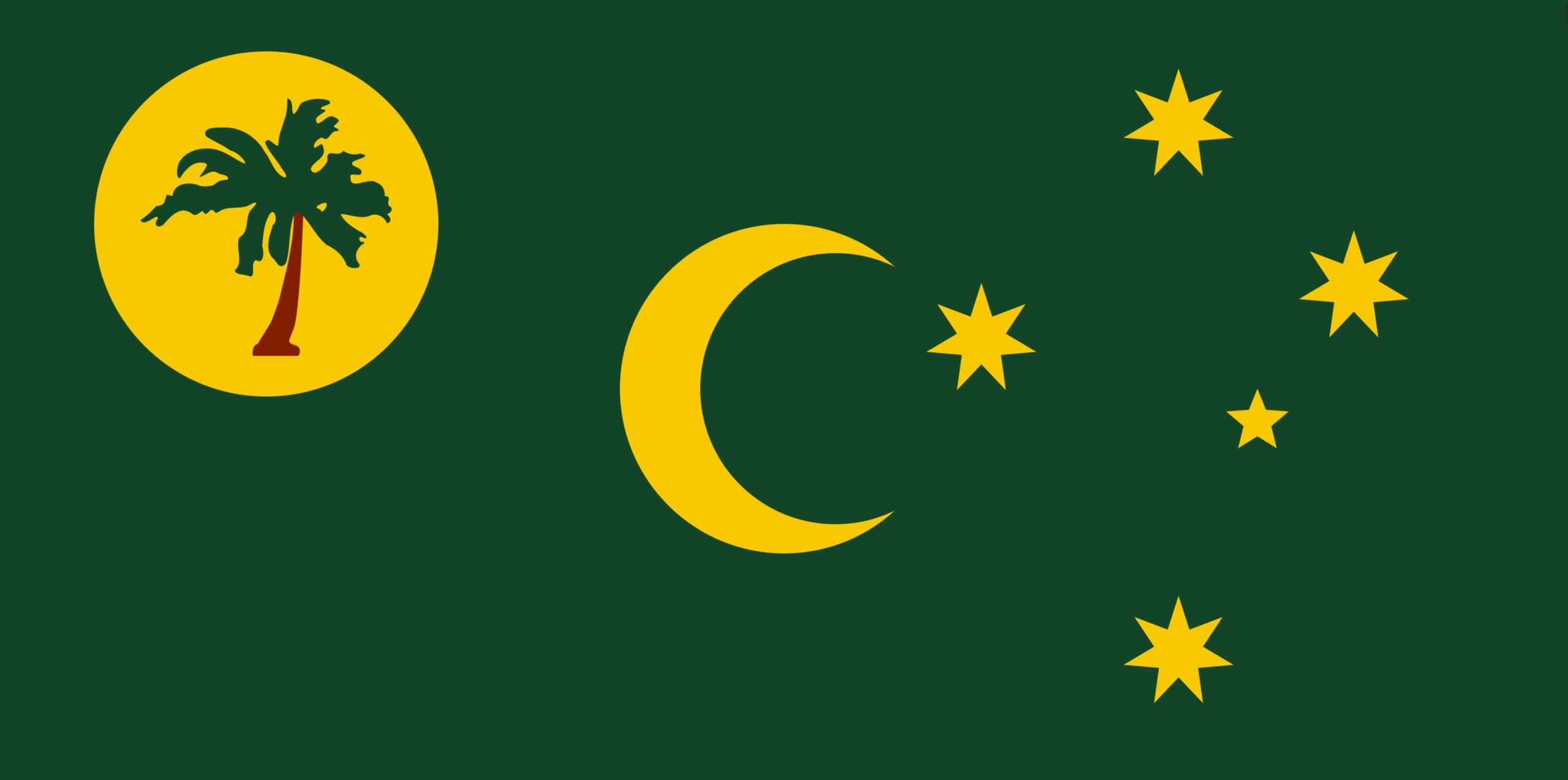
The Cocos (Keeling) Islands are Australia’s tropical secret — a remote chain of 27 coral islands scattered across a brilliant turquoise lagoon in the Indian Ocean. They sit about halfway between Perth and Sri Lanka, and stepping off the plane feels like you’ve landed in the Maldives… except it’s Australian territory.
Only two islands are inhabited: West Island and Home Island. West Island has more of the “Aussie outpost” feel, while Home Island is home to the Cocos Malay community, with a strong Islamic cultural influence that gives the islands a completely unique identity within Australia. Life here is slow, simple, and deeply connected to the ocean.
The lagoon is the real star — warm, shallow, crystal-clear water that’s perfect for snorkelling, kayaking, and kitesurfing. Direction Island is often called one of Australia’s most beautiful beaches, with sand so white it almost hurts your eyes.
West Island
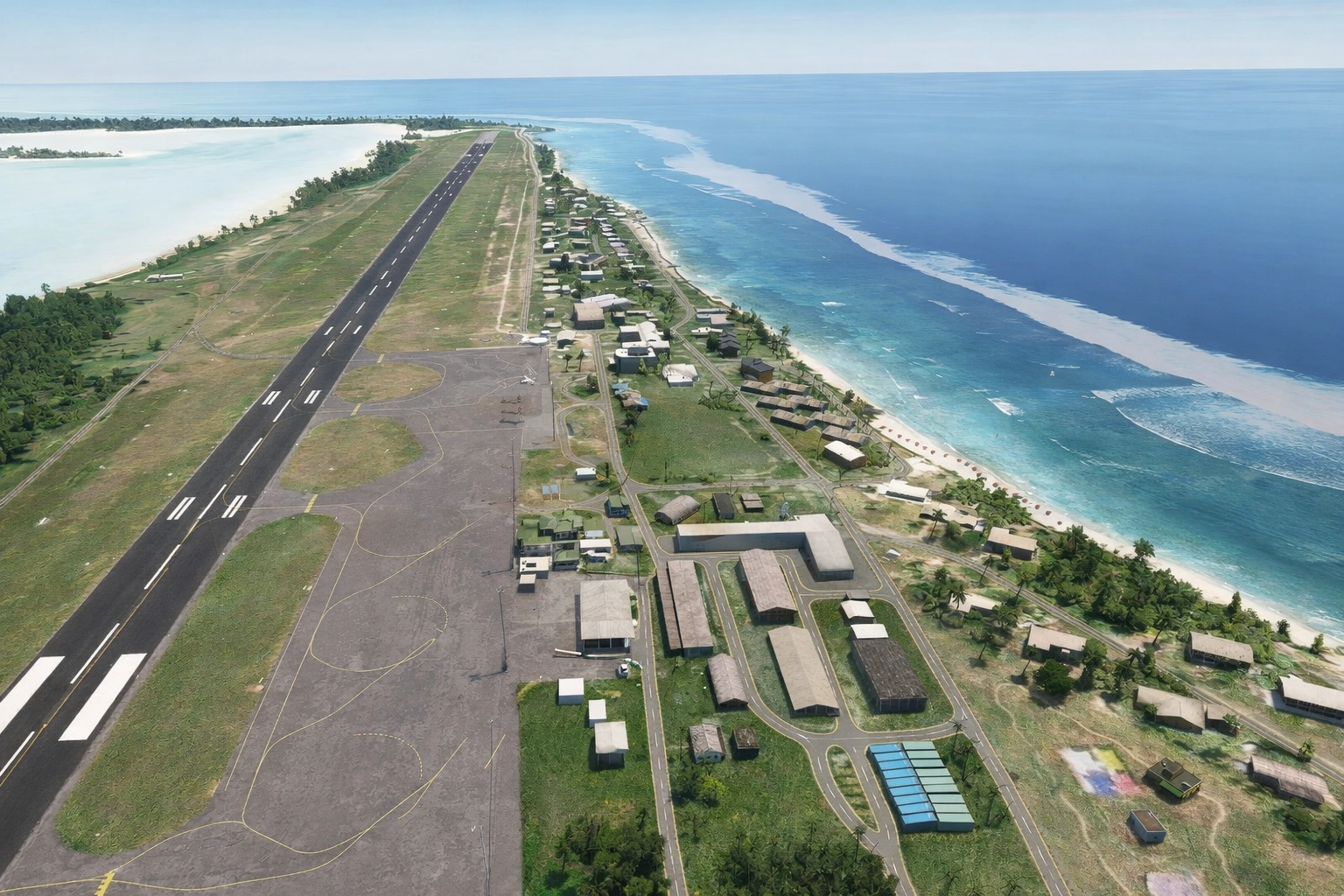
is the main arrival point to the Cocos (Keeling) Islands and feels like Australia’s most chilled-out outpost. It’s where the airport is, along with the small supermarket, café, post office and most accommodation. Think fewer than a few hundred residents, sandy roads, palm trees, and bikes more common than cars.
The lagoon side of the island is calm, shallow and glowing turquoise — perfect for paddleboarding and snorkelling. On the ocean side, you get longer stretches of beach and rolling surf. It’s quiet in a way that’s rare in Australia: no traffic noise, no big resorts, just wind through palms and water gently lapping the shore.
West Island has more of a mainland-Australian vibe compared to nearby Home Island, which has a strong Cocos Malay cultural identity. But even here, life runs on “island time.” Sunsets are slow, stars are ridiculous, and the horizon feels endless.
Direction Island
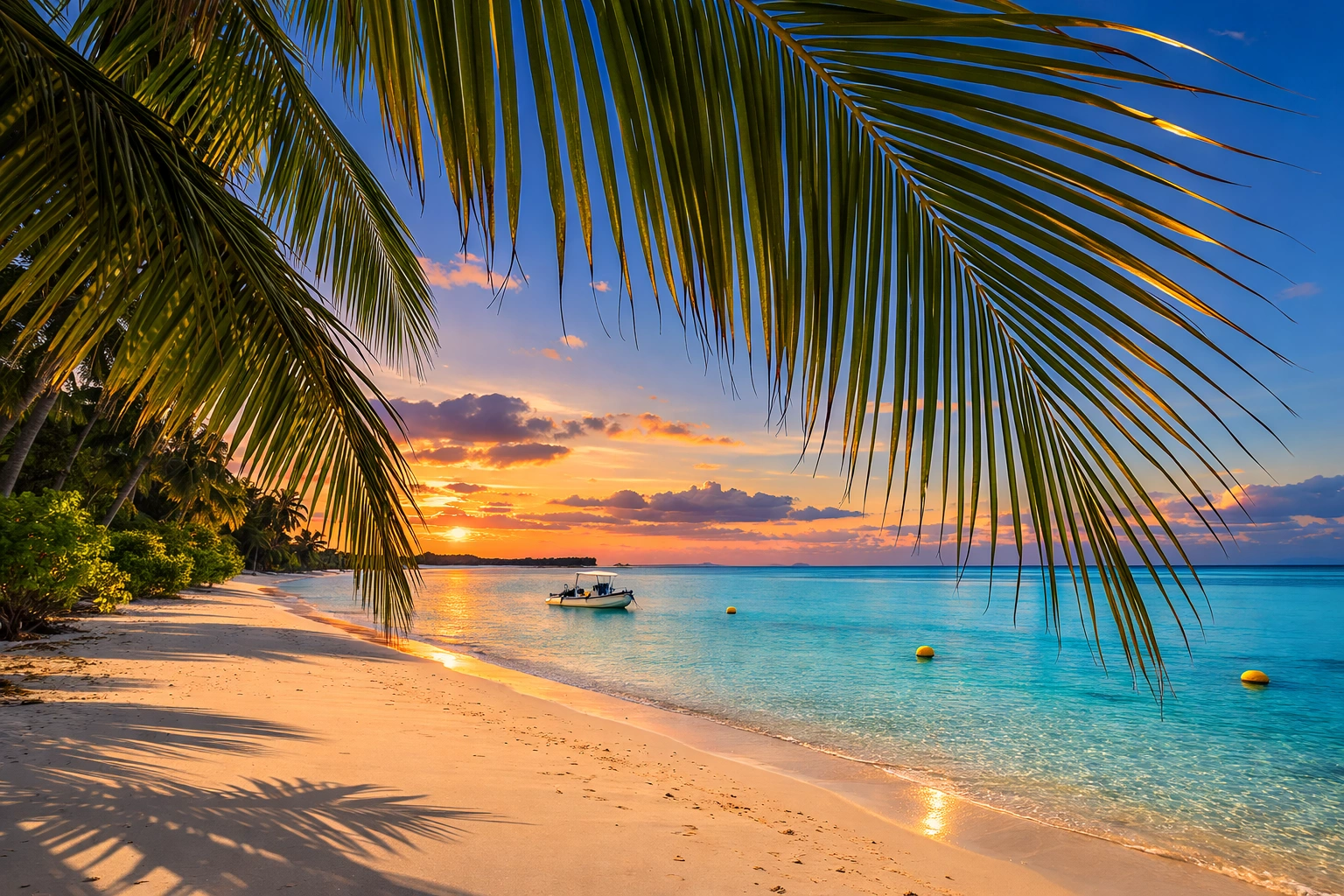
is the postcard. The screensaver. The “wait… this is Australia?!” moment of the Cocos (Keeling) Islands.
Uninhabited and sitting inside the lagoon, it’s all blindingly white sand, crystal-clear turquoise water and coconut palms leaning at perfect angles. The lagoon side is calm and shallow — ideal for swimming and snorkelling straight off the beach, with coral and reef fish just metres from shore. On the ocean side, you get wilder surf and that endless Indian Ocean horizon.
You reach it by boat from West Island, and once you step onto the sand, it feels completely untouched. No shops, no buildings, no noise. Just wind, water and the occasional seabird. It’s often ranked among Australia’s best beaches — and because it’s so remote, you might share it with only a handful of people.
The Cocos (Keeling) Islands are Australia’s tropical secret — a remote chain of 27 coral islands scattered across a brilliant turquoise lagoon in the Indian Ocean. They sit about halfway between Perth and Sri Lanka, and stepping off the plane feels like you’ve landed in the Maldives… except it’s Australian territory.
Only two islands are inhabited: West Island and Home Island. West Island has more of the “Aussie outpost” feel, while Home Island is home to the Cocos Malay community, with a strong Islamic cultural influence that gives the islands a completely unique identity within Australia. Life here is slow, simple, and deeply connected to the ocean.
The lagoon is the real star — warm, shallow, crystal-clear water that’s perfect for snorkelling, kayaking, and kitesurfing. Direction Island is often called one of Australia’s most beautiful beaches, with sand so white it almost hurts your eyes.
West Island
is the main arrival point to the Cocos (Keeling) Islands and feels like Australia’s most chilled-out outpost. It’s where the airport is, along with the small supermarket, café, post office and most accommodation. Think fewer than a few hundred residents, sandy roads, palm trees, and bikes more common than cars.
The lagoon side of the island is calm, shallow and glowing turquoise — perfect for paddleboarding and snorkelling. On the ocean side, you get longer stretches of beach and rolling surf. It’s quiet in a way that’s rare in Australia: no traffic noise, no big resorts, just wind through palms and water gently lapping the shore.
West Island has more of a mainland-Australian vibe compared to nearby Home Island, which has a strong Cocos Malay cultural identity. But even here, life runs on “island time.” Sunsets are slow, stars are ridiculous, and the horizon feels endless.
Direction Island
is the postcard. The screensaver. The “wait… this is Australia?!” moment of the Cocos (Keeling) Islands.
Uninhabited and sitting inside the lagoon, it’s all blindingly white sand, crystal-clear turquoise water and coconut palms leaning at perfect angles. The lagoon side is calm and shallow — ideal for swimming and snorkelling straight off the beach, with coral and reef fish just metres from shore. On the ocean side, you get wilder surf and that endless Indian Ocean horizon.
You reach it by boat from West Island, and once you step onto the sand, it feels completely untouched. No shops, no buildings, no noise. Just wind, water and the occasional seabird. It’s often ranked among Australia’s best beaches — and because it’s so remote, you might share it with only a handful of people.
Norfolk Island
Norfolk Island: Untouched Tranquility in the Pacific
For more information: www.norfolkisland.com.au
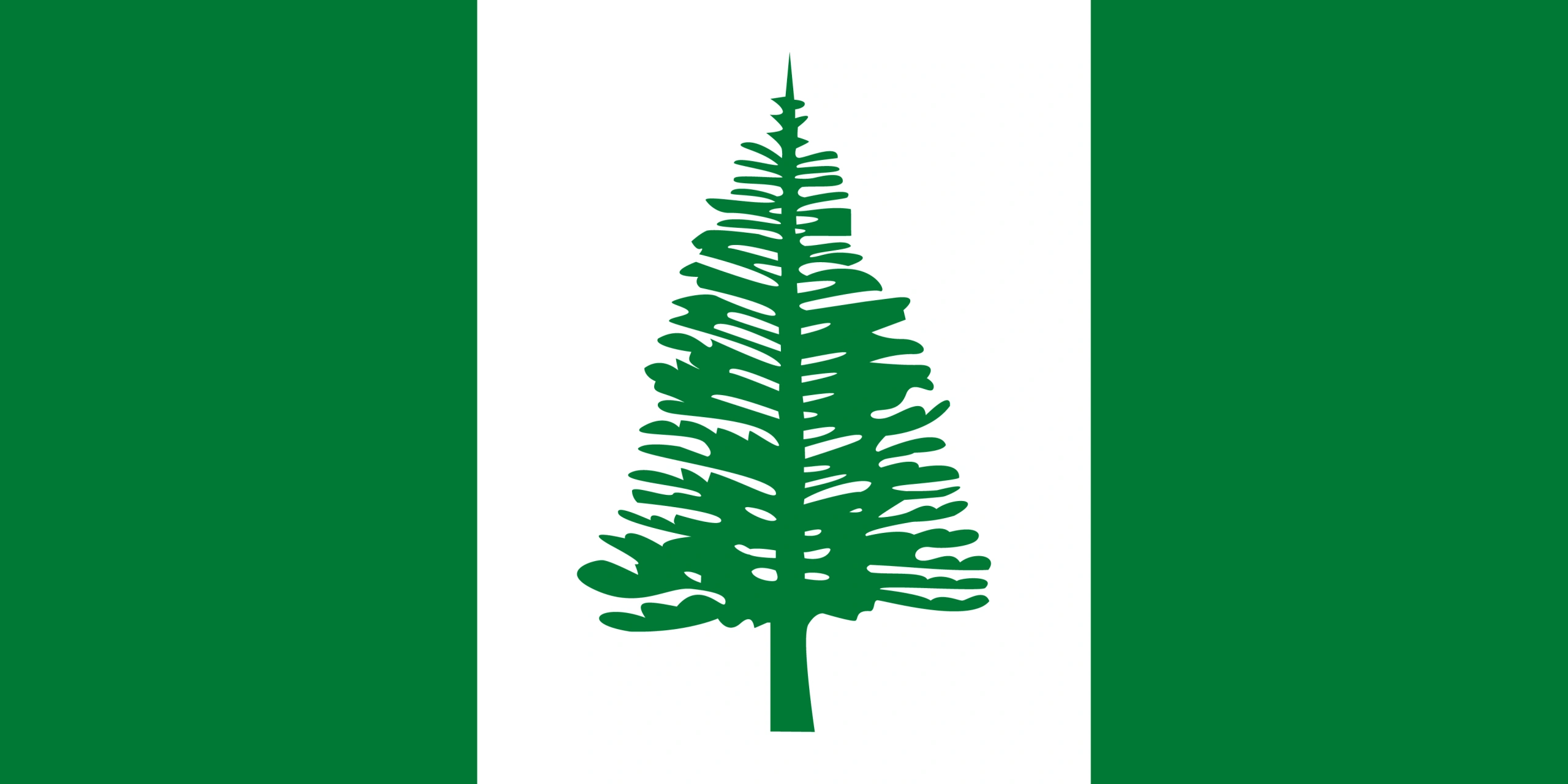
Norfolk Island sits out in the South Pacific between Australia, New Zealand and New Caledonia — and it feels like stepping into a different chapter of history. It’s small, volcanic in origin, ringed by dramatic cliffs and turquoise bays, and famous for those tall, straight Norfolk pines that silhouette the skyline.
The island has a layered and sometimes confronting past. It was first used as a British penal colony in 1788 (and again later), gaining a reputation as one of the harshest convict settlements in the empire. Today, the historic area of Kingston — a UNESCO World Heritage-listed site — preserves that convict-era architecture and stories. Later, in 1856, descendants of the Bounty mutineers from Pitcairn Island were resettled here, and their unique culture and language (Norf’k) remain a proud part of island identity.
Life now is relaxed and community-driven. There’s no traffic lights, cows have right of way, and the vibe is friendly and old-school. Emily Bay offers calm swimming, while the rugged coastline delivers serious cliff-top views and seabird drama.
Kingston
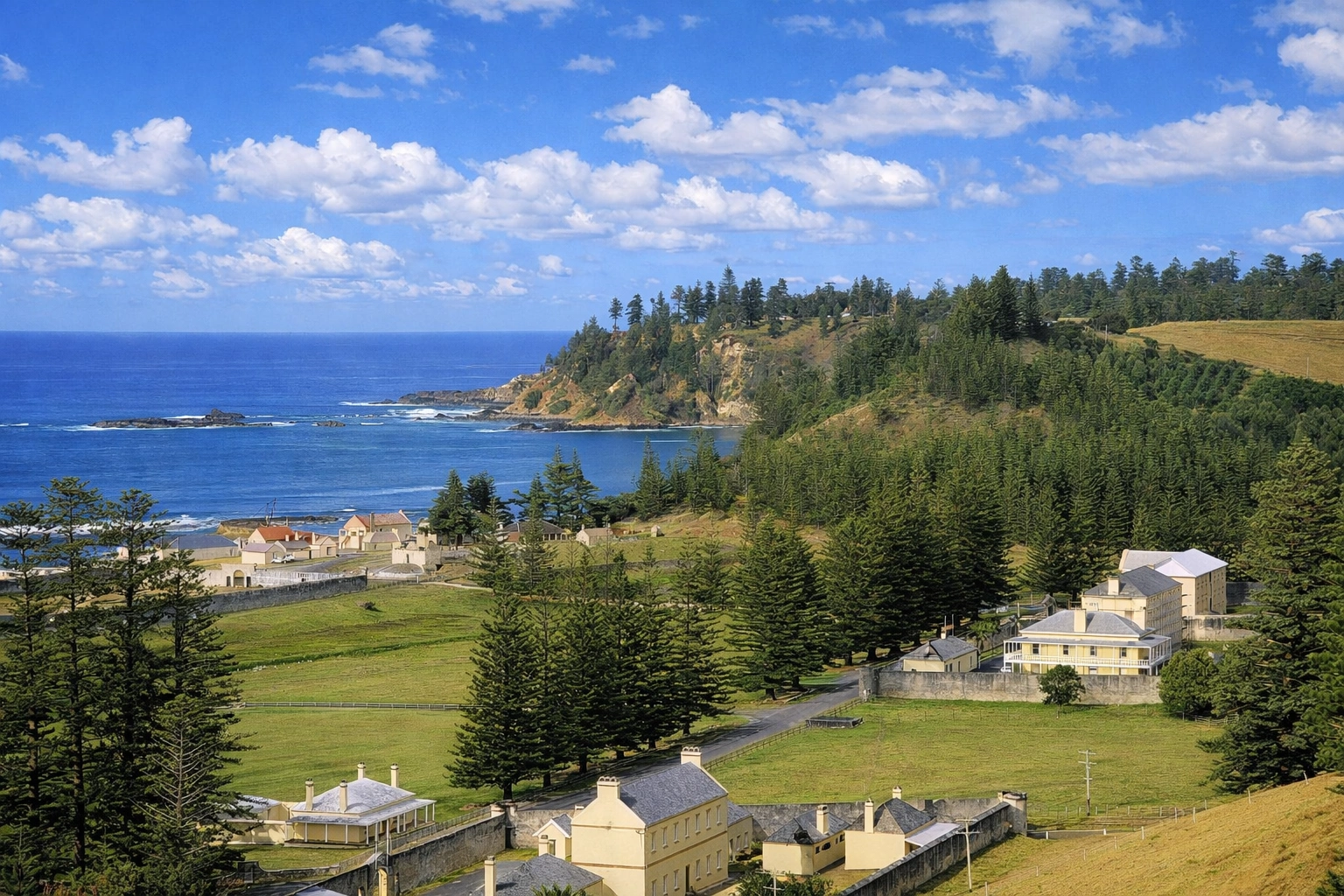
is the historic heart of Norfolk Island — quiet, windswept, and layered with stories. This is where the island’s brutal convict past played out in the late 18th and 19th centuries. The old gaol, crumbling stone buildings, and military-style layout still stand today, giving the place an almost eerie stillness. It’s part of the Australian Convict Sites World Heritage listing, and when you walk through it, you can feel the weight of history.
But it’s not just heavy history. Right beside the convict ruins sits Emily Bay — a calm, protected lagoon that’s one of the best swimming spots on the island. So you’ve got this striking contrast: turquoise water and coral reef in front, sandstone prison walls behind. Kingston Pier, with its old crane and rolling surf beyond the reef, adds to that dramatic coastal feel.
For filming? This location gives you texture — early morning mist over the ruins, golden light hitting the old stone, waves crashing beyond the reef. It’s atmospheric without trying too hard.
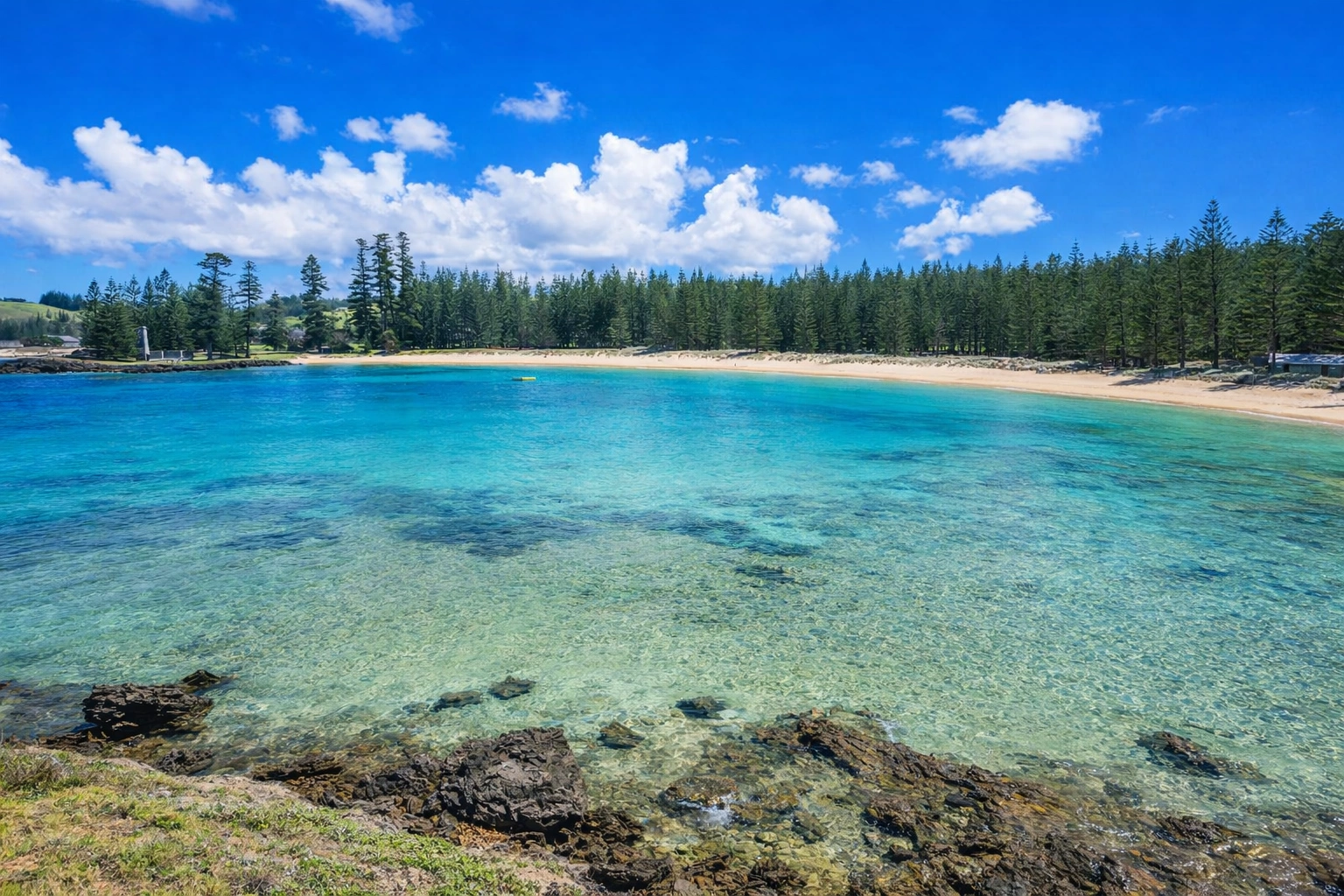
Emily Bay
is Norfolk Island’s safe, sheltered slice of paradise. Tucked inside a natural reef on the Kingston side of the island, it’s the calmest swimming spot you’ll find — clear, shallow turquoise water protected from the wild Pacific swell just beyond the reef. It’s the kind of place where the water barely ripples and the sand is soft and pale underfoot.
What makes it special isn’t just the swimming — it’s the setting. Towering Norfolk pines frame the shoreline, and just behind the beach sit the historic convict-era buildings of Kingston. You can literally snorkel over coral and tropical fish with centuries-old stone ruins in the background. That contrast is uniquely Norfolk.
It’s also perfect for sunrise. The bay faces east, so early light turns the water glassy and golden. For filming? Low drone passes over the reef line, slow shoreline walks, and that pine silhouette against pastel skies would look unreal.Emily Bay
is Norfolk Island’s safe, sheltered slice of paradise. Tucked inside a natural reef on the Kingston side of the island, it’s the calmest swimming spot you’ll find — clear, shallow turquoise water protected from the wild Pacific swell just beyond the reef. It’s the kind of place where the water barely ripples and the sand is soft and pale underfoot.
What makes it special isn’t just the swimming — it’s the setting. Towering Norfolk pines frame the shoreline, and just behind the beach sit the historic convict-era buildings of Kingston. You can literally snorkel over coral and tropical fish with centuries-old stone ruins in the background. That contrast is uniquely Norfolk.
It’s also perfect for sunrise. The bay faces east, so early light turns the water glassy and golden. For filming? Low drone passes over the reef line, slow shoreline walks, and that pine silhouette against pastel skies would look unreal.
Norfolk Island sits out in the South Pacific between Australia, New Zealand and New Caledonia — and it feels like stepping into a different chapter of history. It’s small, volcanic in origin, ringed by dramatic cliffs and turquoise bays, and famous for those tall, straight Norfolk pines that silhouette the skyline.
The island has a layered and sometimes confronting past. It was first used as a British penal colony in 1788 (and again later), gaining a reputation as one of the harshest convict settlements in the empire. Today, the historic area of Kingston — a UNESCO World Heritage-listed site — preserves that convict-era architecture and stories. Later, in 1856, descendants of the Bounty mutineers from Pitcairn Island were resettled here, and their unique culture and language (Norf’k) remain a proud part of island identity.
Life now is relaxed and community-driven. There’s no traffic lights, cows have right of way, and the vibe is friendly and old-school. Emily Bay offers calm swimming, while the rugged coastline delivers serious cliff-top views and seabird drama.
Kingston
is the historic heart of Norfolk Island — quiet, windswept, and layered with stories. This is where the island’s brutal convict past played out in the late 18th and 19th centuries. The old gaol, crumbling stone buildings, and military-style layout still stand today, giving the place an almost eerie stillness. It’s part of the Australian Convict Sites World Heritage listing, and when you walk through it, you can feel the weight of history.
But it’s not just heavy history. Right beside the convict ruins sits Emily Bay — a calm, protected lagoon that’s one of the best swimming spots on the island. So you’ve got this striking contrast: turquoise water and coral reef in front, sandstone prison walls behind. Kingston Pier, with its old crane and rolling surf beyond the reef, adds to that dramatic coastal feel.
For filming? This location gives you texture — early morning mist over the ruins, golden light hitting the old stone, waves crashing beyond the reef. It’s atmospheric without trying too hard.
Emily Bay
is Norfolk Island’s safe, sheltered slice of paradise. Tucked inside a natural reef on the Kingston side of the island, it’s the calmest swimming spot you’ll find — clear, shallow turquoise water protected from the wild Pacific swell just beyond the reef. It’s the kind of place where the water barely ripples and the sand is soft and pale underfoot.
What makes it special isn’t just the swimming — it’s the setting. Towering Norfolk pines frame the shoreline, and just behind the beach sit the historic convict-era buildings of Kingston. You can literally snorkel over coral and tropical fish with centuries-old stone ruins in the background. That contrast is uniquely Norfolk.
It’s also perfect for sunrise. The bay faces east, so early light turns the water glassy and golden. For filming? Low drone passes over the reef line, slow shoreline walks, and that pine silhouette against pastel skies would look unreal.Emily Bay
is Norfolk Island’s safe, sheltered slice of paradise. Tucked inside a natural reef on the Kingston side of the island, it’s the calmest swimming spot you’ll find — clear, shallow turquoise water protected from the wild Pacific swell just beyond the reef. It’s the kind of place where the water barely ripples and the sand is soft and pale underfoot.
What makes it special isn’t just the swimming — it’s the setting. Towering Norfolk pines frame the shoreline, and just behind the beach sit the historic convict-era buildings of Kingston. You can literally snorkel over coral and tropical fish with centuries-old stone ruins in the background. That contrast is uniquely Norfolk.
It’s also perfect for sunrise. The bay faces east, so early light turns the water glassy and golden. For filming? Low drone passes over the reef line, slow shoreline walks, and that pine silhouette against pastel skies would look unreal.
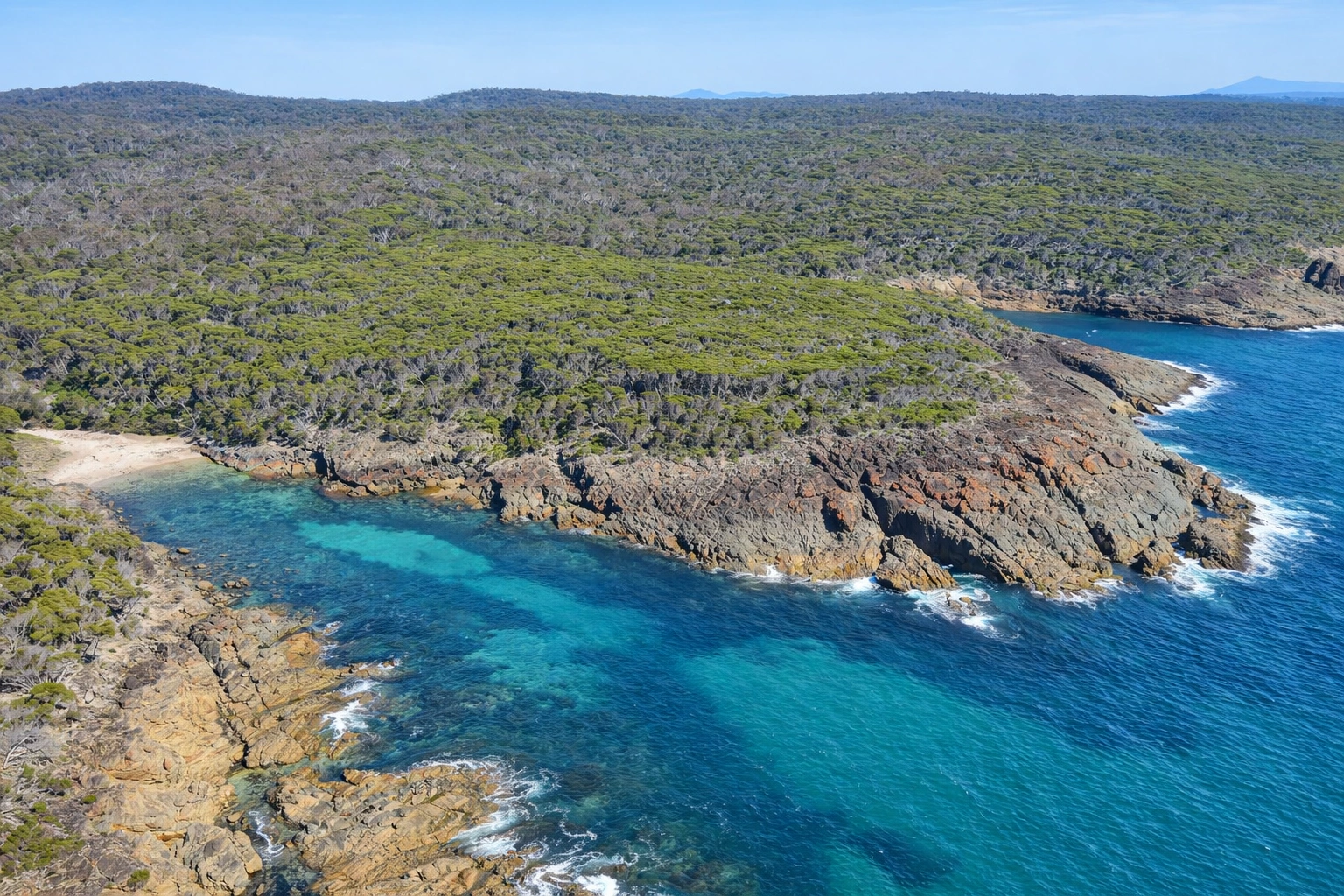
Jervis Bay Territory
Jervis Bay Territory: A Paradise Waiting to be Explored
Jervis Bay Territory
is one of Australia’s smallest and most underrated territories — a tiny coastal enclave on the NSW south coast, about three hours south of Sydney. It was originally carved out so the ACT (Canberra) could have access to the sea, and today it’s best known for blindingly white sand and unreal turquoise water.
Much of the territory is protected within Booderee National Park, jointly managed with the Wreck Bay Aboriginal Community. The beaches here are next-level — including Hyams Beach, often claimed to have some of the whitest sand in the world. You’ve also got Green Patch for calm swims, bushwalking trails through coastal heath, and a high chance of spotting dolphins cruising the bay.
It feels wild but accessible — crystal-clear water, native bushland, and that quiet off-season magic if you avoid summer crowds.
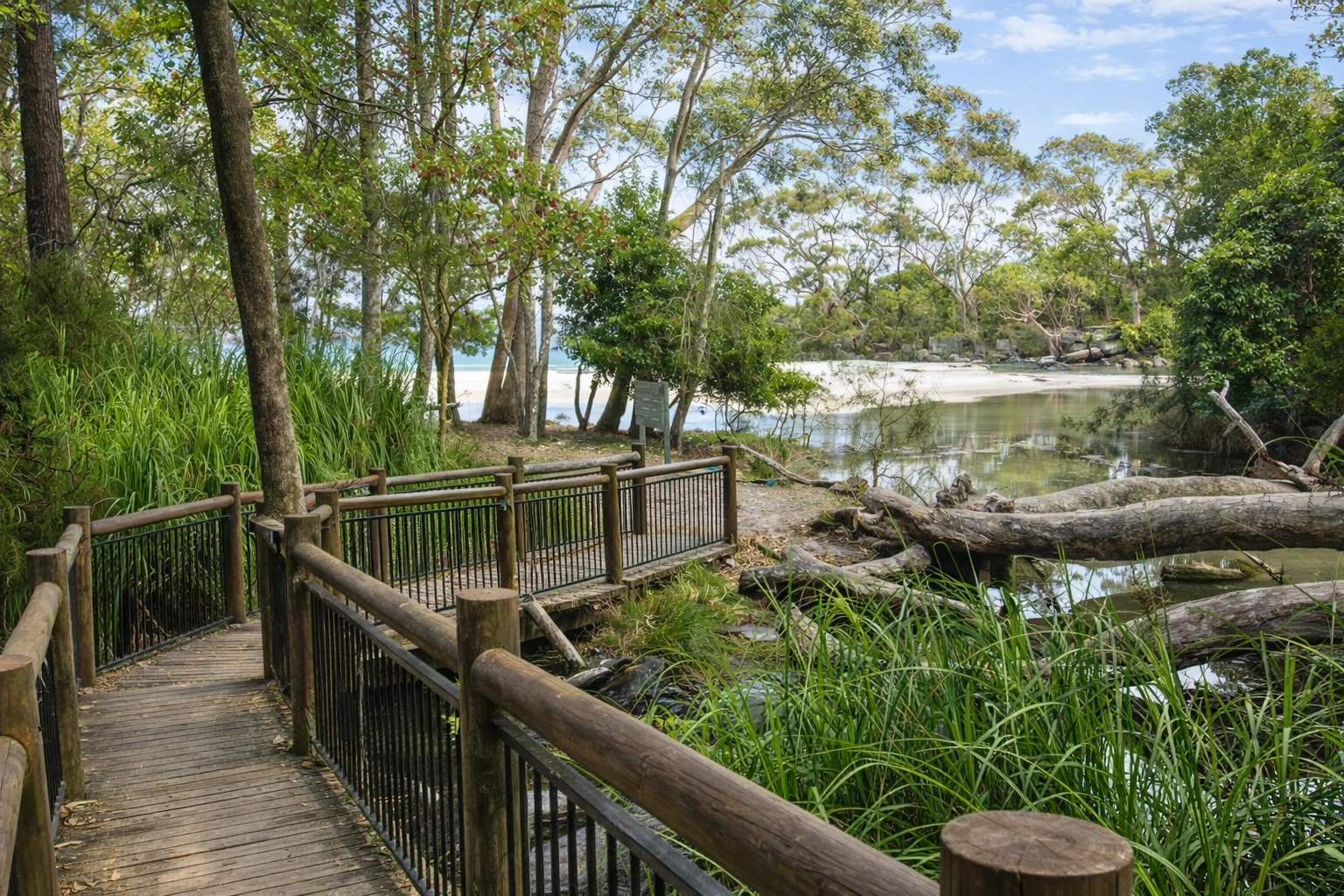
Walkway near Green Patch Beach
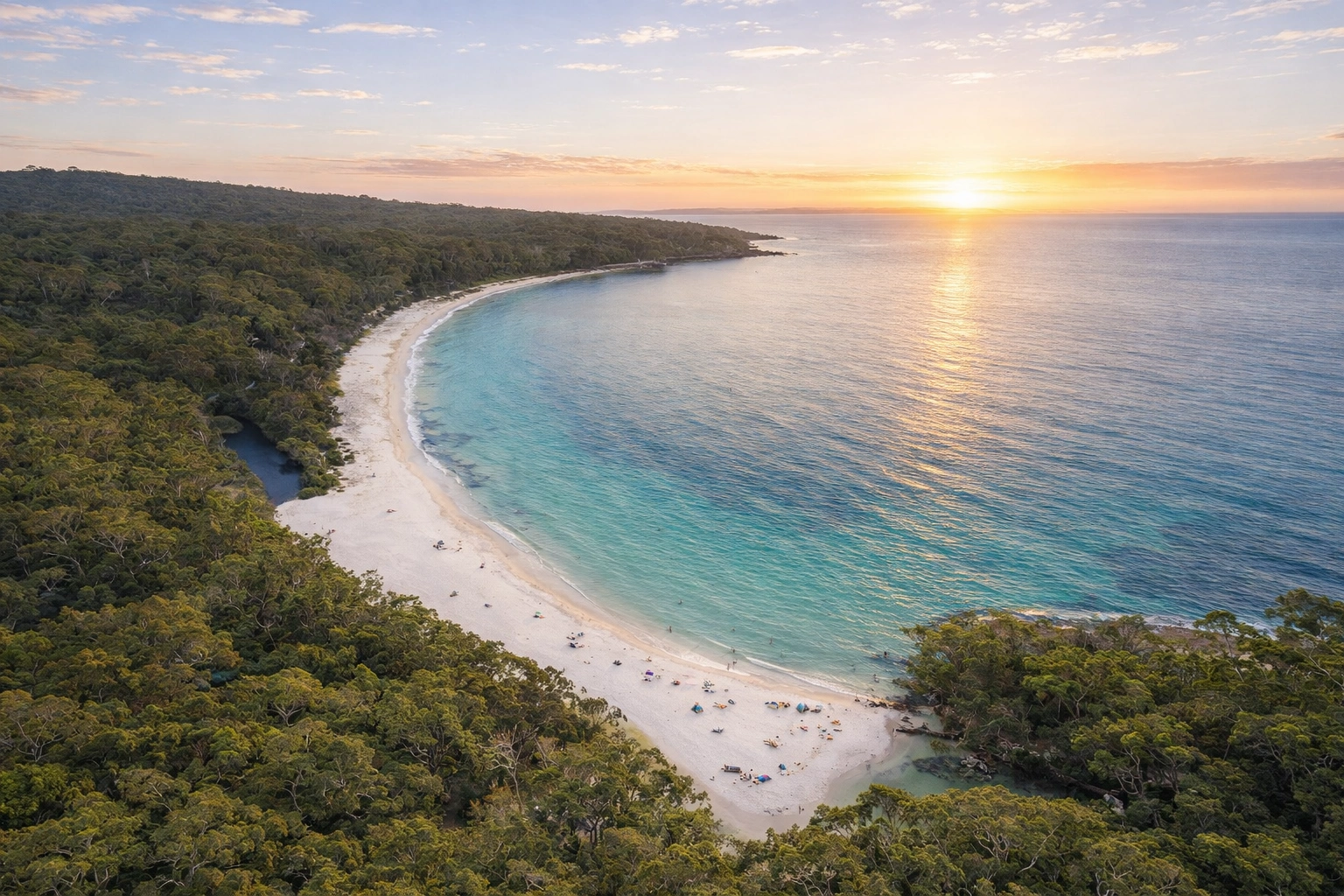
Green Patch
is one of those “locals know” gems inside Booderee National Park — calm, ridiculously clear water and a soft curve of white sand framed by bushland. It’s sheltered from the open ocean, so the water is usually glassy and perfect for swimming, snorkelling or just floating around without battling waves.
It’s also a popular campground, so you get that classic Aussie bush-meets-beach vibe. Kangaroos sometimes wander through the grassy areas near the sand, and the surrounding coastal forest gives it a tucked-away feel compared to busier parts of Jervis Bay. The water clarity here is next-level — on a good day, you can see straight to the bottom.
For filming? Early morning is magic. Still water, soft golden light, and that rich contrast between turquoise bay and deep green bushland. It’s relaxed, natural, and very “South Coast escape.”
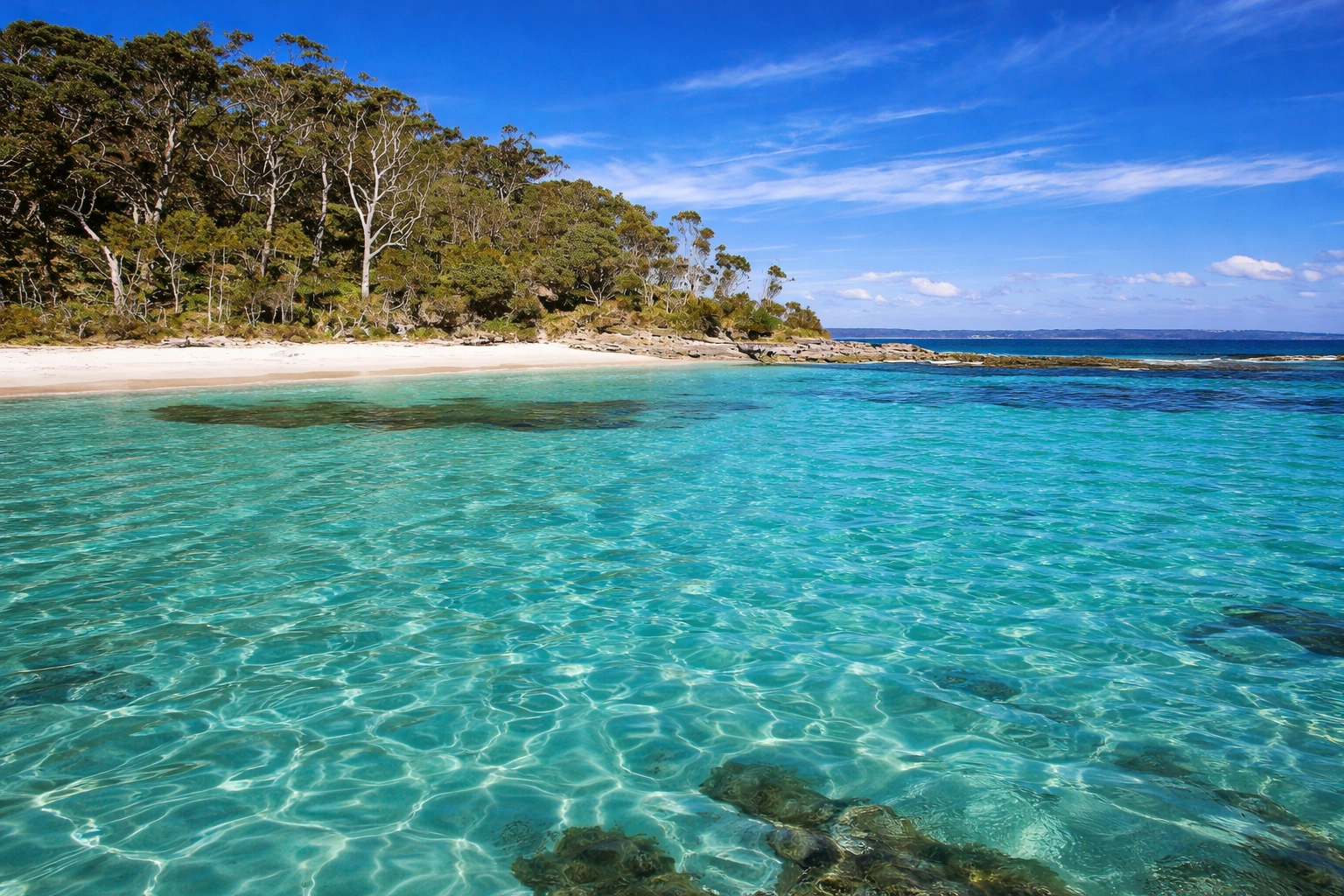
Murrays Beach - Booderee National Park
is where Jervis Bay really shows off. Crystal-clear turquoise water, blinding white sand, rugged coastal cliffs and thick coastal bushland all rolled into one protected pocket of paradise on the NSW South Coast. It’s jointly managed by Parks Australia and the Wreck Bay Aboriginal Community, which gives it a strong Indigenous stewardship story alongside its natural beauty.
You’ve got calm swimming spots like Green Patch and Murrays Beach, wild ocean views at Cape St George Lighthouse ruins, and walking tracks that wind through heathland bursting with wildflowers in spring. Dolphins cruise the bay regularly, and you’ll often spot kangaroos grazing near the beaches — very “Australia in one frame” energy.
What makes Booderee special isn’t just the scenery — it’s the balance. It feels wild, but it’s accessible. It’s pristine, but not overdeveloped. And that water clarity? Unreal.
Jervis Bay Territory
is one of Australia’s smallest and most underrated territories — a tiny coastal enclave on the NSW south coast, about three hours south of Sydney. It was originally carved out so the ACT (Canberra) could have access to the sea, and today it’s best known for blindingly white sand and unreal turquoise water.
Much of the territory is protected within Booderee National Park, jointly managed with the Wreck Bay Aboriginal Community. The beaches here are next-level — including Hyams Beach, often claimed to have some of the whitest sand in the world. You’ve also got Green Patch for calm swims, bushwalking trails through coastal heath, and a high chance of spotting dolphins cruising the bay.
It feels wild but accessible — crystal-clear water, native bushland, and that quiet off-season magic if you avoid summer crowds.
Walkway near Green Patch Beach
Green Patch
is one of those “locals know” gems inside Booderee National Park — calm, ridiculously clear water and a soft curve of white sand framed by bushland. It’s sheltered from the open ocean, so the water is usually glassy and perfect for swimming, snorkelling or just floating around without battling waves.
It’s also a popular campground, so you get that classic Aussie bush-meets-beach vibe. Kangaroos sometimes wander through the grassy areas near the sand, and the surrounding coastal forest gives it a tucked-away feel compared to busier parts of Jervis Bay. The water clarity here is next-level — on a good day, you can see straight to the bottom.
For filming? Early morning is magic. Still water, soft golden light, and that rich contrast between turquoise bay and deep green bushland. It’s relaxed, natural, and very “South Coast escape.”
Murrays Beach - Booderee National Park
is where Jervis Bay really shows off. Crystal-clear turquoise water, blinding white sand, rugged coastal cliffs and thick coastal bushland all rolled into one protected pocket of paradise on the NSW South Coast. It’s jointly managed by Parks Australia and the Wreck Bay Aboriginal Community, which gives it a strong Indigenous stewardship story alongside its natural beauty.
You’ve got calm swimming spots like Green Patch and Murrays Beach, wild ocean views at Cape St George Lighthouse ruins, and walking tracks that wind through heathland bursting with wildflowers in spring. Dolphins cruise the bay regularly, and you’ll often spot kangaroos grazing near the beaches — very “Australia in one frame” energy.
What makes Booderee special isn’t just the scenery — it’s the balance. It feels wild, but it’s accessible. It’s pristine, but not overdeveloped. And that water clarity? Unreal.